
Commercial facility managers are shifting from reactive leak patches to roof audits

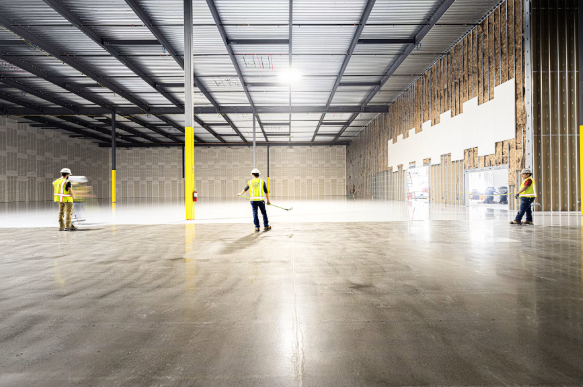
Rather than relying on surface fixes, commercial property operators are using detailed moisture and drainage assessments to extend low-slope roof lifespans.
When water stains suddenly appear on your warehouse ceiling tiles, your immediate instinct is probably to call for a quick patch. Temporary fixes feel like the fastest way to stop the drip and keep your daily operations moving without disruption.
Chasing surface leaks year after year quietly drains your maintenance budget while hidden moisture spreads beneath the membrane. Shifting toward a comprehensive roof assembly evaluation helps you protect your building’s long-term asset value and plan capital expenses with confidence.
How Should You Evaluate Low-Slope Roof Assemblies and Written Scopes?
Understanding what happens beneath your roof’s surface is just as critical as checking the top membrane. When you bring in a commercial roofing contractor to assess your building, they look at how your TPO or EPDM membrane interacts with the insulation, drainage system, and structural deck below. A detailed, condition-based written scope gives you clear answers on whether targeted repairs, a restoration coating, or a full tear-off makes the most financial sense.
- Inspect membrane integrity: Check single-ply TPO and EPDM sheets for UV chalking, shrinking, bridged seams, and brittle flashing around rooftop HVAC curbs.
- Measure trapped moisture: Use infrared thermography or non-destructive impedance scanners to locate wet insulation boards that have lost their thermal R-value.
- Verify drainage performance: Look for standing water, clogged scuppers, and crushed insulation around internal drains that add dangerous dead load to your structure.
- Check deck stability: Inspect the underside of steel or concrete decking for rust, flaking, or deflection that signals prolonged water exposure.
Why Do Interior Leaks Rarely Pinpoint the True Source of Failure?
Water is notorious for taking the path of least resistance once it breaches your roof’s outer layer. A drip falling onto your facility floor might sit 30 feet away from the actual split seam or failed flashing that let the rain inside. Water travels horizontally along metal decking flutes, steel purlins, and insulation boards before it finally finds a seam to drip through into your workspace.
Patching the ceiling spot or slapping mastic directly above an interior stain rarely solves the underlying problem. Your repair crew ends up sealing a dry section of the membrane while the real entry point continues feeding water into the roof assembly during every storm.
Tracing Hidden Moisture Pathways
Pinpointing where water actually enters requires looking at the entire roof surface rather than guessing from below. The Certified Commercial Property Inspectors Association notes that inspectors should perform a thorough visual walkover and map out vulnerable areas like penetrations, lap joints, and seams before using moisture-scanning equipment. Following a systematic mapping process prevents your team from wasting money on guesswork repairs.
Recognizing Drainage and Insulation Red Flags
Standing water accelerates membrane breakdown and exposes weak seams to constant hydrostatic pressure. Guidance from the National Roof Certification and Inspection Association points out that ponding water lingering more than 48 hours after rainfall—along with rust rings, algae growth, or silt deposits, indicates settled areas or crushed insulation. Catching these low spots early lets you correct tapered insulation before the deck corrodes.
A reliable written scope separates necessary structural corrections from optional upgrades. You should expect clear line-item pricing that accounts for wet insulation replacement, perimeter metal edge securement, and tapered cricket installation. Having these details documented upfront stops unexpected change orders from derailing your quarterly facility budget.

What Records and Building Codes Need Attention Before Work Begins?
Managing multiple commercial properties or industrial warehouses means keeping strict documentation for every square foot under the roof. Combining repair invoices, warranty paperwork, and inspection photos into one generic folder makes it nearly impossible to track which building is nearing the end of its service life.
Creating dedicated digital files for each roof section allows you to track recurring trouble spots and prove warranty compliance. Manufacturers routinely void material warranties if you cannot show documented proof of semi-annual inspections and routine debris clearing. Clean, building-specific logs also help you forecast capital replacements 3 to 5 years in advance instead of scrambling for emergency funds.
Local energy and building codes dictate what you can and cannot do once a roof project crosses a certain square footage threshold. Many municipalities require you to upgrade your roof’s R-value to meet modern energy standards whenever you replace a membrane or tear off wet insulation. Building codes also strictly limit a structure to 2 roof coverings, meaning a building with an existing recovery layer must undergo a complete tear-off down to the deck.
Making Confident Capital Decisions for Your Facility
Moving away from reactive patching puts you back in control of your property’s maintenance schedule and capital budget. When you insist on thorough moisture diagnostics, clear drainage assessments, and transparent written scopes, you can choose between targeted repairs, restoration coatings, or full replacement based on real data. Your roof stops being an unpredictable emergency expense and becomes a well-managed, long-term building asset.
Previously in Technology: Relentless cookie prompts and tracking scripts are reshaping everyday browser privacy tools







Comment