
What Businesses Should Consider When Choosing an Office Coffee Program

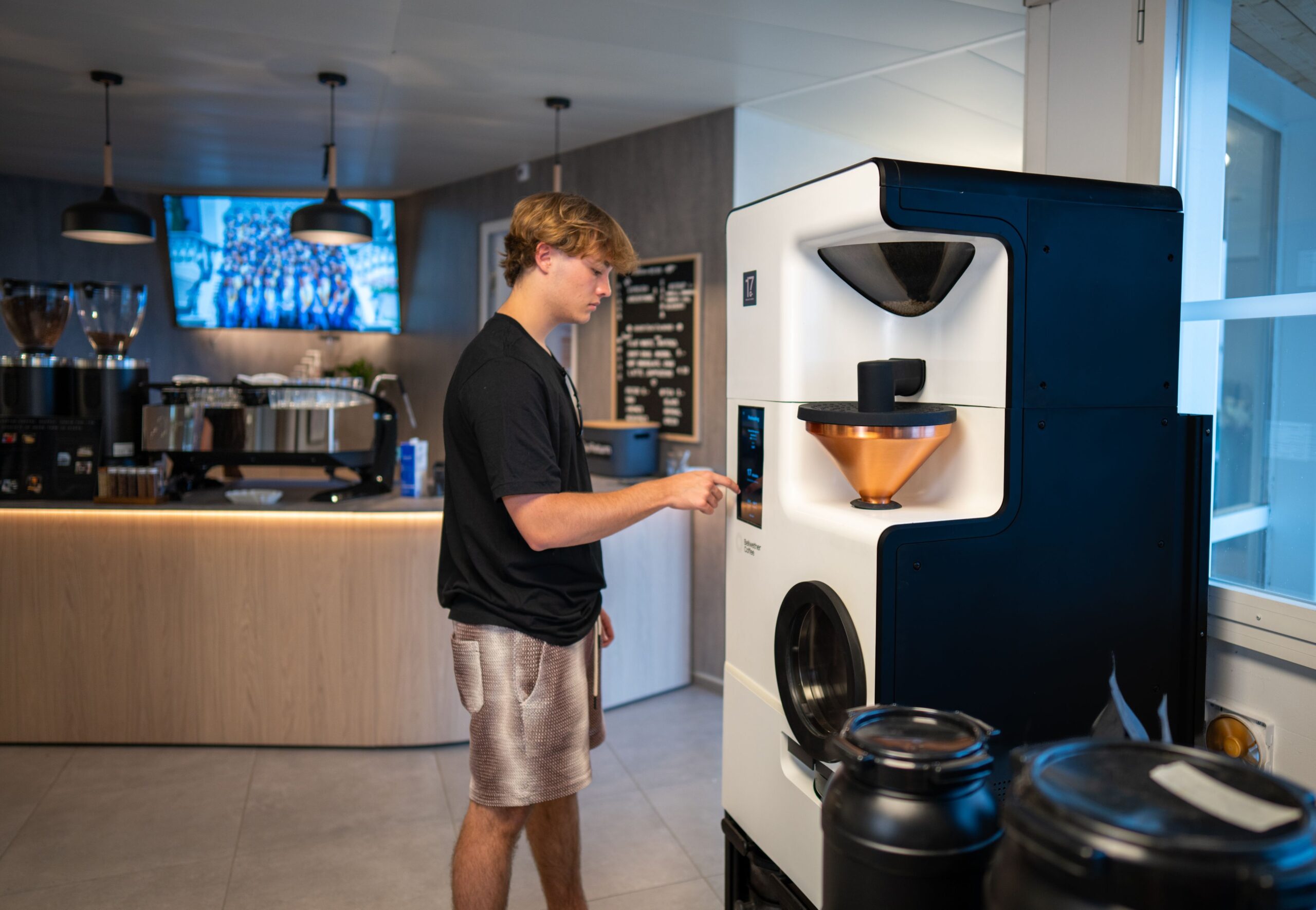
Coffee has become a familiar part of the modern workplace. Employees often rely on it during morning routines, meetings, breaks and long workdays. For businesses, providing convenient access to coffee can also make the break room more functional and create a welcoming environment for employees and visitors.
However, setting up an office coffee station involves more than purchasing a coffee machine and keeping a supply of beans or pods on hand. Businesses need to consider equipment capacity, beverage preferences, supply management, maintenance responsibilities and the overall cost of running the program.
An effective office coffee program should fit the way people use the workplace. A small professional office may need a simple brewing station, while a manufacturing facility or large corporate location may require multiple machines, regular replenishment and options that accommodate different shifts.
Understanding these factors before selecting a provider can help businesses choose a coffee solution that is practical, manageable and suitable for their teams.
Understand Your Workplace’s Coffee Requirements
The first step is to understand how employees will use the coffee station. Choosing equipment based only on the total number of employees can result in an arrangement that is either unnecessarily expensive or unable to handle daily demand.
Consider how many people are typically present in the workplace, how frequently they use the break room and when coffee consumption is highest. A company with 100 employees working across different shifts may have different requirements from an office with the same headcount where most employees arrive during the same morning period.
Businesses should evaluate:
- Daily attendance: Estimate how many employees are physically present on an average workday.
- Peak usage: Identify periods when several employees may need coffee at once.
- Work schedules: Consider early shifts, overnight teams, flexible schedules and hybrid attendance.
- Visitor requirements: Determine whether clients, contractors and guests will also use the coffee station.
- Existing challenges: Review whether the current setup creates queues, frequent shortages or unnecessary administrative work.
These details give a coffee service provider a clearer picture of the workplace and help determine the appropriate equipment, supply quantities and delivery schedule.
Choose Coffee Equipment That Matches Daily Demand
Coffee equipment directly affects convenience, preparation time and the overall experience. Businesses should compare brewing systems according to their expected usage rather than choosing a machine simply because it has the most features.
Common options include:
Traditional drip coffee machines
Drip coffee machines are suitable for workplaces where employees prefer regular brewed coffee. They can prepare several servings together, making them a practical option for shared break rooms and offices with predictable morning demand.
Single-cup brewing systems
Single-cup machines allow employees to prepare individual servings and select from different coffee varieties. They can work well in smaller offices or workplaces where employees have different beverage preferences.
Bean-to-cup machines
Bean-to-cup systems grind coffee beans and prepare drinks through an integrated process. Depending on the machine, they may offer multiple beverage choices and a more automated preparation experience.
Before selecting equipment, businesses should also consider available counter space, electrical requirements, water access, cleaning procedures and the number of people who may use the machine during busy periods.
The goal is to find equipment that serves the workplace reliably without creating unnecessary complexity.
Consider Employee Preferences and Beverage Variety
A coffee program should reflect the people who will use it. Not every employee prefers the same roast, brewing method or type of beverage. Providing a reasonable selection can make the break room useful to a wider group.
Businesses may want to consider:
- Regular coffee and different roast options
- Decaffeinated coffee
- Premium or specialty coffee blends
- Single-cup beverage choices
- Tea and other hot beverages
- Creamers, milk alternatives and sweeteners
- Cups, lids, stirrers and other serving supplies
A short employee survey can help identify the most popular choices before the program is introduced. Businesses can also review purchasing patterns after launch to determine which products are being used and which are regularly left untouched.
There is little value in maintaining an extensive product selection if employees consistently choose only a few items. A balanced assortment based on actual demand can help control waste and simplify replenishment.
Evaluate the Full Service and Support Arrangement
The coffee machine is only one part of an office coffee program. Businesses should understand who will manage the recurring tasks that keep the station operational.
A self-managed arrangement gives the business direct control over purchasing and product selection, but employees must handle ordering, inventory checks, cleaning and equipment issues.
A managed office coffee service can reduce some of this responsibility by combining equipment, coffee supplies, delivery, stocking support and ongoing service through one provider.
When comparing providers, businesses should ask:
- Is equipment included, leased or purchased separately?
- Who handles installation and initial setup?
- Which coffee products and supplies are available?
- How frequently are deliveries made?
- Is restocking included in the service?
- Who handles equipment problems and repair requests?
- Are cleaning products and maintenance supplies provided?
- Can the program be adjusted as workplace requirements change?
Businesses comparing coffee programs for businesses should pay attention to the actual services included rather than relying only on a machine’s specifications or an advertised monthly price.
Clear responsibilities help prevent situations where employees must repeatedly resolve supply shortages or contact multiple vendors to address equipment problems.
Compare Costs Beyond the Initial Equipment Price
Budget is another important consideration. A machine with a relatively low purchase price may require additional spending on coffee, supplies, maintenance and staff time.
Likewise, a managed service may appear more expensive initially but include several recurring responsibilities that would otherwise fall to internal employees.
Businesses should compare the total cost of operating each option over a realistic period.
Relevant expenses may include:
- Equipment purchase, leasing or rental costs
- Coffee beans, pods and other beverage products
- Filters, cups, lids, creamers and sweeteners
- Delivery and replenishment charges
- Installation and setup expenses
- Maintenance, repairs and replacement parts
- Storage and inventory management
- Contract minimums and additional service fees
It is also useful to clarify how pricing may change when employee attendance or coffee consumption increases.
For example, a business expanding its workforce may need additional machines or more frequent deliveries. Understanding these possibilities upfront can make it easier to compare proposals and avoid unexpected operating costs.
Check Delivery, Stocking and Inventory Management
A coffee station is only useful when the products employees expect are available. Running out of coffee, cups or other essential supplies can quickly turn a workplace convenience into an administrative problem.
Before selecting a provider, businesses should understand its delivery and replenishment process.
Questions worth asking include:
- Are deliveries made on a fixed schedule or according to usage?
- Who checks inventory levels?
- Can delivery quantities change when demand increases or decreases?
- How are urgent supply requests handled?
- Are coffee products and related supplies delivered together?
- Can the provider accommodate multiple workplace locations?
For businesses operating warehouses, manufacturing plants or facilities with several shifts, replenishment schedules are particularly important. Coffee usage may continue outside traditional office hours, so supply planning should account for the full operating schedule.
A consistent process also helps office managers avoid spending unnecessary time tracking every item in the break room.
Consider Space, Accessibility and Break Room Layout
The physical setup deserves attention before equipment is selected. A coffee machine that works well in one office may be unsuitable for another because of differences in available space, employee movement or utility access.
Businesses should identify a convenient location that does not obstruct walkways or create unnecessary congestion. The station should also have enough space for coffee products, cups, condiments and cleaning supplies.
Accessibility is equally important. Controls should be straightforward to understand, serving areas should be easy to reach and the setup should accommodate the people who use it.
For workplaces with several departments or large employee populations, multiple coffee stations may be more practical than concentrating everything in one location.
A site assessment can help identify these requirements before installation and reduce the likelihood of having to rearrange the break room later.
Look for a Provider That Can Support Changing Business Needs
A workplace coffee program may need adjustments as the business grows, changes its operating schedule or moves to a different facility.
The right provider should be able to discuss how the service can evolve rather than offering only one fixed arrangement.
For example, a growing office may eventually need additional brewing capacity, a wider range of beverages or more frequent replenishment. A business with multiple facilities may prefer to coordinate its coffee arrangements through a provider that understands the requirements of each location.
Businesses should also review the provider’s service experience, product selection, communication process and ability to address equipment or supply concerns.
For example, Bfoods offers workplace coffee solutions alongside vending, micro market, pantry and water services for businesses in Connecticut and Upper Westchester County, New York. Considering how coffee fits alongside other break room services can help businesses evaluate whether a provider can support a broader workplace refreshment setup.
Review the Program After Implementation
Selecting a provider should not be the final step. Businesses should periodically review whether the coffee program is meeting employee needs and operating as expected.
A practical review can include:
- Product usage: Identify which coffee varieties and supplies are used most frequently.
- Availability: Track whether popular products are regularly out of stock.
- Equipment performance: Review recurring machine problems and service requests.
- Employee feedback: Ask whether beverage options, equipment and station placement are convenient.
- Operating costs: Compare actual expenses with the original budget.
- Service quality: Evaluate delivery consistency and communication with the provider.
These checks help businesses identify small problems before they become ongoing sources of frustration. They also provide useful information when discussing changes with the service provider.
FAQs
What should a business look for in an office coffee service provider?
Businesses should compare equipment options, coffee selection, delivery schedules, stocking responsibilities, maintenance support, service experience and overall pricing. The provider should understand the workplace’s daily usage and explain exactly which responsibilities are included in the agreement.
Which coffee machine is best for an office?
The right machine depends on employee numbers, daily consumption, preferred beverages and available space. Drip machines may suit shared coffee stations, single-cup systems offer individual variety, and bean-to-cup machines can provide a more automated coffee experience.
How much coffee does an office need?
The quantity depends on daily attendance, the number of employees who drink coffee, average servings per person and visitor demand. Businesses can begin with a reasonable estimate and adjust supply quantities after reviewing actual consumption.
Should a company choose a managed coffee service or manage its own supplies?
A self-managed arrangement may suit a small office with limited usage and an employee who can handle ordering and cleaning. A managed service may be more practical for workplaces that want equipment, deliveries, supplies and service support coordinated through one provider. Businesses should compare the actual responsibilities and costs of each option.
Can an office coffee program include more than coffee?
Yes. Depending on the provider, workplace refreshment arrangements may also include tea, other beverages, filtered water, snacks, vending machines, pantry products and micro markets. Businesses should consider which additional services are genuinely useful for their employees.
Conclusion
Choosing an office coffee program requires businesses to look beyond the coffee machine itself. Equipment, beverage preferences, supply availability, maintenance responsibilities, workplace layout and ongoing costs all influence how well the program performs.
The most practical approach is to assess actual workplace demand, compare service arrangements and select a provider that can support the business’s day-to-day requirements. Companies should also review employee feedback and usage patterns after implementation so the setup can be adjusted when necessary.
With the right planning, an office coffee program can become a convenient and manageable part of the workplace, giving employees reliable access to refreshments while reducing the effort involved in running the break room.







Comment