
Understanding Volatility: How Variation Shapes Everyday Decisions

Introduction
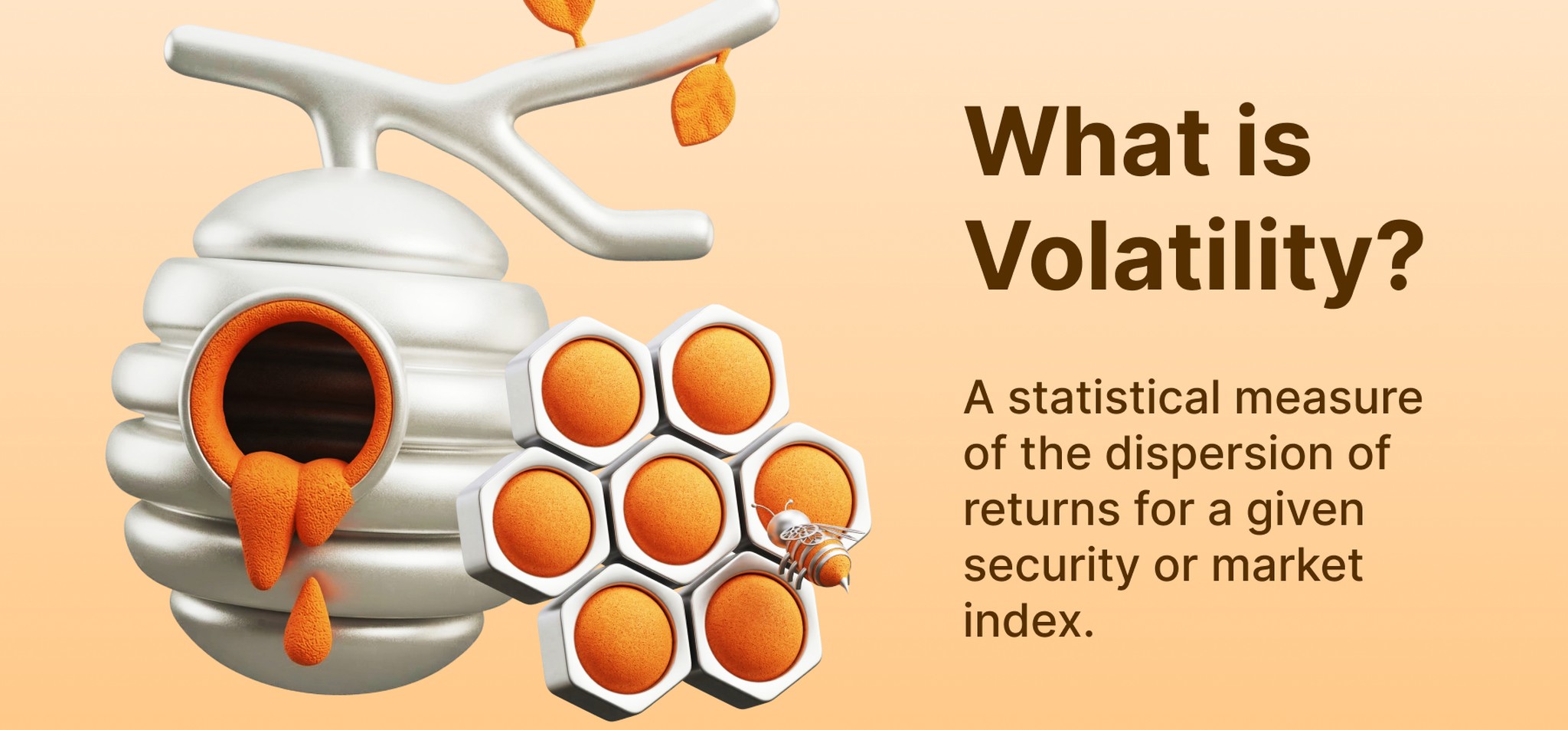
Volatility is one of the most useful ideas for making sense of uncertainty. It describes how much outcomes tend to move up and down over time. Whether you are looking at personal savings, a small business, or the digital services you use, understanding volatility helps you set realistic expectations.
Some situations produce steady, small changes, while others bring bigger swings that happen less predictably. These differences affect how comfortable a choice feels and how quickly things can change. A clear grasp of volatility lets you compare options on their actual features instead of assumptions.
What Is Volatility?
Volatility describes the level of variation in a pattern of results. In simple terms, it shows whether outcomes usually change in small steps or in larger, less frequent jumps.
The concept is common in finance, statistics, and product planning, where analysts use mathematical models to measure how results are spread over time. Low-volatility situations tend to be consistent, though individual changes are usually modest. High-volatility situations move less regularly, but some changes can be much bigger. This is why two options that look similar on paper can feel completely different in practice.
Low, Medium and High Volatility Explained
Most situations can be grouped into three levels. Low volatility means small changes at a steady pace, which feels consistent. Medium volatility mixes fairly regular movement with the occasional larger shift. High volatility is the least predictable: long calm stretches may be followed by one significant change.
These labels are useful for comparison, but they are not promises. Actual results remain uncertain, and volatility only describes general behaviour, not what will happen in any single period.
How Volatility Affects Experience
Volatility directly shapes how a situation feels. A low-volatility pattern may show several small changes within a short time, creating a sense of consistency. A high-volatility pattern can stay quiet for a long time before a major shift, which changes how people perceive excitement, suspense, and timing.
Other factors such as seasonality, trends, and outside events add to this picture. Extra features don’t automatically make something less volatile, which is why similar-looking options can still behave very differently.
Average vs. Variation: Two Different Measures
The average and the variation are separate characteristics that together describe a pattern. The average is the expected result across a very large number of cases. Volatility describes how individual results are spread around it.
For instance, two options might both have the same long-term average, yet one changes in small amounts often while the other changes less often but by larger amounts. Neither number predicts what will happen in one specific case. The average is a long-term statistic, while volatility shows how much short-term results can swing.
Why Different Volatility Levels Exist
People prefer different paces and different levels of uncertainty, so designers and providers build products with varied structures. Some focus on steady, regular results, while others accept larger swings for the chance of bigger changes. Teams run extensive simulations to confirm how a system behaves across many repetitions.
Digital entertainment platforms such as Winbox often feature content from several providers, so it helps to understand how different designs shape the experience rather than judging something by its looks alone.
How to Check Volatility Before You Commit
Looking up volatility before you start gives you a better sense of what to expect. Some providers show a rating in the information section, while others describe it as low, medium, or high. Sometimes you need to check the official guide or documentation.
It is also worth reading the published terms, conditions, and any minimum or maximum limits. When exploring a platform through Winbox, reading the descriptions and provider details first can help you understand each option’s features before you decide what to use.
Volatility, Time and Budget Control
Volatility affects how fast things can change. Low-volatility situations may shift in small amounts often, while high-volatility ones can involve longer difficult stretches between improvements. That makes budgeting essential.
Decide on a fixed budget before you begin, whatever the volatility level. Set time limits too, and never increase your spending just to recover earlier losses. High volatility doesn’t promise a better overall result, and low volatility doesn’t remove risk. Sensible limits matter in every situation.
Conclusion
Volatility shows how results are distributed over time. Low, medium, and high categories reflect different levels of variation, explaining why some situations change in small steps often while others change less frequently but possibly by more. When comparing options, consider volatility together with the long-term average, how things work, provider details, and your own limits. Neither measure can predict or guarantee any result. Understanding both helps you make informed choices and stay within sensible boundaries.
FAQs
What does volatility mean?
It describes how much results vary and how often, showing whether something leans toward small, frequent changes or larger, rarer ones.
Is low volatility better than high volatility?
Neither is automatically better. Low volatility means smaller, more regular changes, while high volatility means bigger swings. The right choice depends on your preferences and risk tolerance.
Does high volatility mean bigger results?
Not necessarily. Larger changes are possible, but there is no guarantee you will experience one.
What is the difference between the average and volatility?
The average is the expected long-term result. Volatility describes how results are spread around it. They measure different things.
Can volatility change over time?
The underlying volatility comes from the structure of the system and doesn’t shift just because you have watched it for a long time. Previous outcomes don’t change future probabilities.
How can I check volatility?
Look at the information panel, official guide, or documentation. Some providers show a rating, while others describe it in words.
Does low volatility mean fewer losses?
No. Changes may be smaller and more regular, but losses can still happen. Volatility doesn’t remove risk.
Why does understanding volatility matter?
It explains patterns, helps manage expectations, supports fair comparisons, and encourages realistic budgeting and responsible decisions.






Comment