
Rate Hikes Are Back: What a Hawkish Turn Means for Crypto Investors

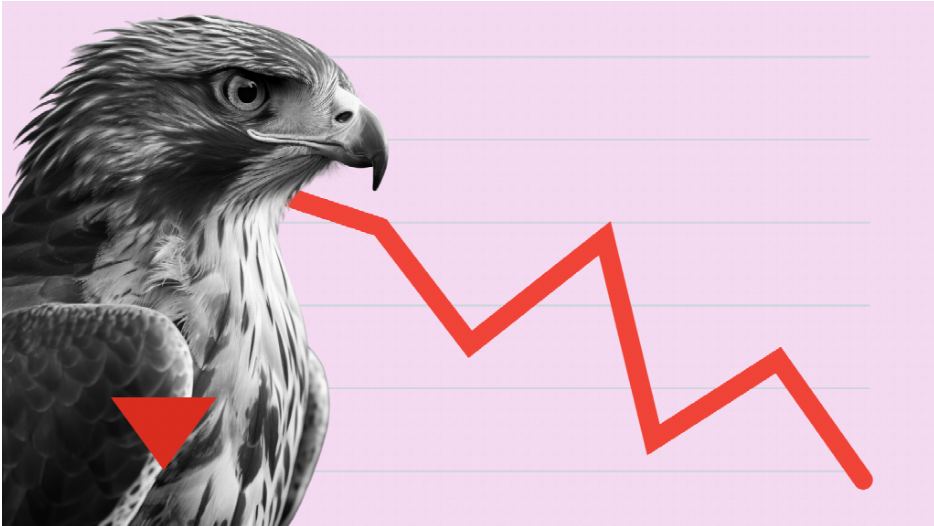
The Federal Reserve, the Bank of England, and international peers face renewed inflation pressures as energy costs surge. For non-yielding digital assets, the hurdle rate just got higher.
For most of the past two years, global markets focused primarily on when interest rates would decline. This autumn, investor focus has shifted toward whether persistent inflation will compel central banks to resume rate hikes. The first week of November is proving to be one of the busiest periods for monetary policy this year.
The U.S. Federal Reserve raised its benchmark interest rate in September, its first hike since 2023, and subsequently held the target rate at 3.75% to 4.00% on October 28. Two FOMC policymakers, Governor Lisa Cook and Cleveland Fed President Beth Hammack, dissented in favor of an immediate 25-basis-point increase. Elsewhere, the Reserve Bank of Australia raised its cash rate to 4.85% on November 3—marking its fifth increase of 2026. Meanwhile, the Bank of England is widely projected to raise rates for the first time since August 2023, following a rise in UK CPI inflation to 3.5% in September.
The primary catalyst driving this central bank alignment is energy. Higher crude oil and fuel prices, exacerbated by Middle Eastern geopolitical conflict and supply chain anxiety, have reignited price pressures across key developed markets. Monetary authorities who anticipated a permanent end to post-pandemic inflation fights now face renewed pressure to tighten policy.
For digital asset investors, this hawkish macro regime fundamentally alters the risk-reward backdrop.
Why Rates Matter for Non-Yielding Assets
The connection between benchmark interest rates and digital assets is non-mechanical, but significant. When cash and government bonds offer higher risk-free yields, non-income-producing assets like Bitcoin face a higher hurdle to justify portfolio allocation. Elevated interest rates tend to absorb liquidity from speculative market segments, rewarding capital allocators who prioritize yield and capital preservation.
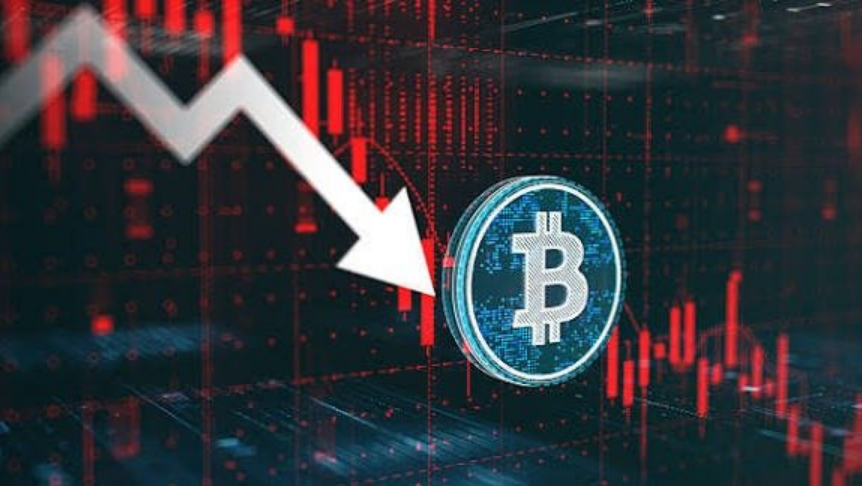
This shifting dynamic is visible across recent market data. Bitcoin fell roughly 7.3% in October, entering early November trading between $77,000 and $78,000 USD, approximately 28% below its level a year prior. U.S. spot Bitcoin exchange-traded funds recorded net monthly outflows of roughly $515 million. Compounding this selloff, TRM Labs estimated that the record $6.3 billion Binance exploit dealt a further blow to broader market sentiment.
Jeff Zylstra, founder and CEO of UpTrade, a crypto brokerage serving clients across more than 40 countries, notes that central bank policy decisions now drive investor consultations alongside technical charts.
“When interest rates were near zero, holding digital assets carried minimal forgone interest cost,” Zylstra explained. “Now that cash yields 4% or more across major developed markets, every dollar allocated to crypto carries a clear, quantifiable opportunity cost. That does not mean investors should liquidate; it means they must be clear about the long-term thesis behind every position.”
A Divided Fed and the December Outlook
The stance of the Fed’s October policy statement arrived firmer than consensus anticipated. Policymakers noted that the “accumulation of more information” will dictate their next moves, while reaffirming their commitment to bringing inflation back to the 2% target. Fed leadership emphasized that political timing played no role in the decision, which came just six days before the U.S. midterm elections. Following the meeting, CME FedWatch futures data reflected an 86% probability of a 25-basis-point rate hike in December.
For digital assets, the Federal Reserve exerts greater influence than any other central bank. Its decisions set the borrowing cost and availability of global reserve currency liquidity. A December increase would elevate the federal funds target rate to 4.00%–4.25%, sending a clear signal that capital costs are rising rather than easing.
Risk assets do not necessarily require interest rates to drop before staging a recovery. “What markets need is certainty that the tightening cycle has concluded. The moment institutional investors believe central banks have reached terminal rates, sentiment around risk assets can shift rapidly. However, we have not reached that inflection point yet.”
Monetary Tightening in the UK and Beyond
The Bank of England’s anticipated policy decision marks its first rate increase since August 2023. Economists polled by Reuters expect the Bank Rate to rise from 3.75% to 4.00%, though reports suggest central bank officials may push back against aggressive market expectations of repeated hikes in 2027. The Bank of England has cautioned that UK inflation will likely face upward momentum over upcoming quarters due to persistent energy price pressures.
Even among central banks actively raising rates, signals of a terminal rate are emerging. The Reserve Bank of Australia’s board voted 6–3 in favor of its November 3 rate hike, while notably omitting previous statements regarding further rate increases “if needed” a shift interpreted by economists as a sign the tightening cycle is nearing its peak. However, RBA Governor Michele Bullock reiterated that subsequent policy moves remain strictly data-dependent.
The overarching macro reality is that monetary tightening is no longer isolated to single jurisdictions. Synchronized policy shifts across major central banks compound contractionary pressures on global liquidity, creating headwinds for risk-sensitive, non-yielding asset classes such as cryptocurrencies.
What should investors consider now?
A central bank rate decision is not a direct buy or sell signal, and macro shifts do not constitute personal financial advice. However, periods of monetary tightening consistently reward disciplined risk management. Investors should evaluate five key parameters:
- Asset Role: Is crypto serving as a long-term inflation hedge, a speculative position, or a technology exposure? Clarifying the core thesis defines acceptable drawdown tolerance.
- Portfolio Rebalancing: Has market volatility skewed your target asset allocation? Declining prices shrink exposure silently, while sudden rallies overconcentrate risk.
- Hurdle Rate Comparison: How does the expected risk-adjusted return compare against risk-free cash or sovereign debt yields currently paying 4% or more?
- Leverage & Debt Exposure: Are positions funded with debt? Borrowing to hold volatile, non-yielding assets becomes exponentially more dangerous as borrowing costs rise.
- Custody Integrity: Where and how are the assets stored? In light of recent exchange exploits, structural custody design warrants as much scrutiny as market valuation.
Investors who navigate tightening cycles successfully are rarely those who attempt to time central bank pivots perfectly. “They are the ones who define their risk parameters in advance and maintain the discipline to stick to them.”
Outlook: Key Catalysts Ahead
The coming weeks will provide critical direction for global financial markets. The U.S. midterm election outcomes, the Bank of England’s rate decision, the U.S. October nonfarm payrolls report, and the Federal Reserve’s December FOMC meeting will collectively clarify the trajectory of global monetary policy.
For digital assets, the pivotal catalyst may prove to be the definitive end of central bank tightening rather than the precise timing of eventual rate cuts. Until macro certainty returns, market participants must navigate elevated borrowing costs, an ecosystem digesting a record $6.3 billion hot-wallet exploit, and an evolving regulatory landscape. In such an environment, risk discipline takes precedence over unhedged conviction.







Comment