
How International Students Can Get a Local eSIM Before Arriving USA, UK, and Canada

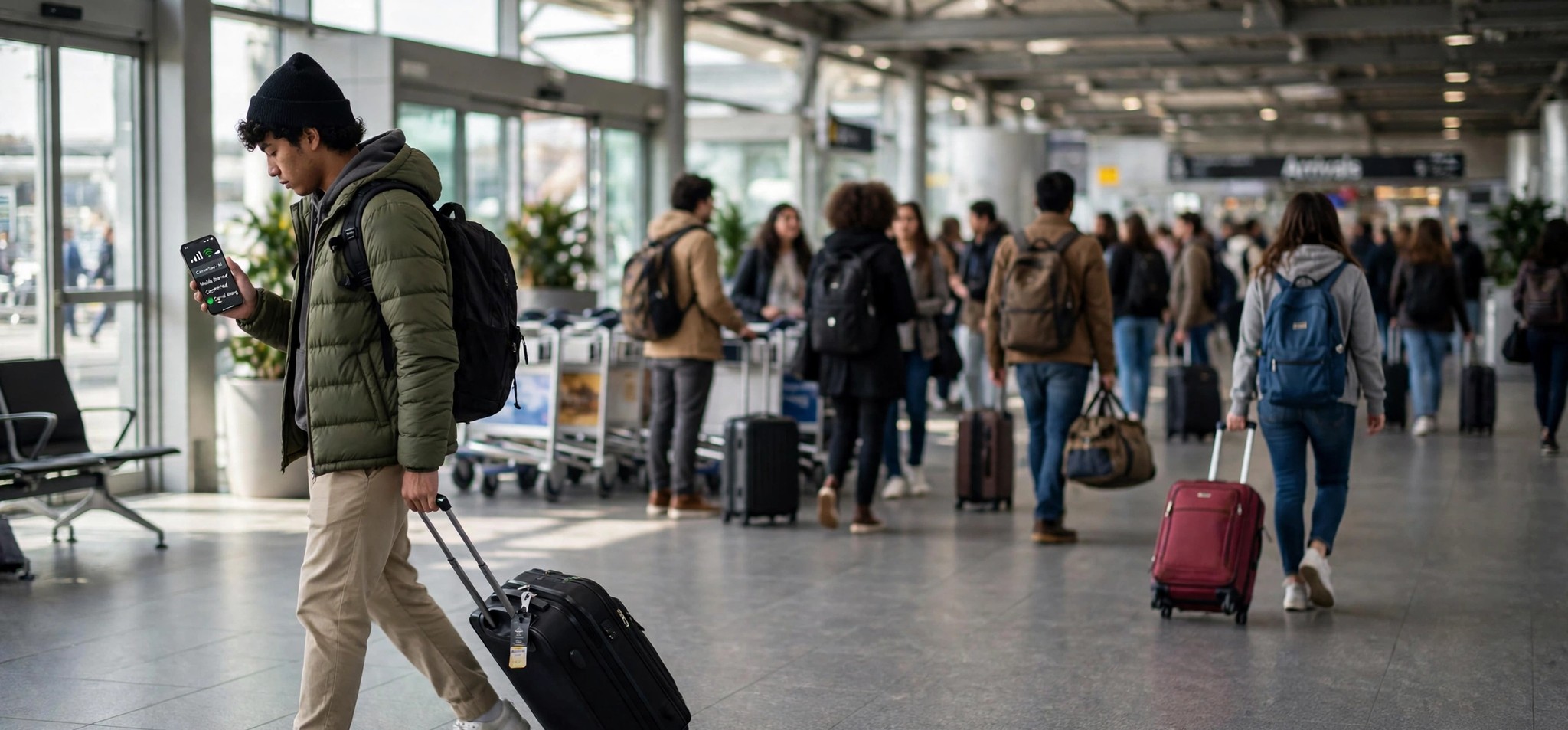
Landing in a foreign country for your studies is thrilling, but the first 48 hours can also be overwhelming. Between navigating customs, finding your accommodation, and figuring out local transport, one immediate necessity is often overlooked until it’s too late: mobile connectivity.
Without a working local phone number and data connection upon landing, simple tasks like booking an Uber, calling your university accommodation host, accessing your digital boarding pass, or letting your parents know you’ve arrived safely become major hurdles.
In the past, students relied on expensive international roaming packages or stood in long airport queues for physical SIM cards. Today, eSIMs (Embedded SIMs) allow international students to install a local carrier profile on their phone before boarding their flight, ensuring instant connectivity the moment the plane touches down.
Why Physical SIMs Are Becoming Obsolete for International Students
For years, the traditional arrival routine involved hunting for a kiosk at JFK, Heathrow, or Pearson airport, paying inflated tourist rates, and fumbling with tiny plastic SIM cards. Physical SIM cards present several distinct disadvantages for arriving students:
- Airport Price Gouging: Airport kiosks often charge double or triple the standard retail price for local SIM plans.
- The “Zero Connectivity” Gap: From the moment you land until you find a store or kiosk, you are entirely offline, making communication difficult.
- Loss of Home SIM: With single-SIM physical phones, removing your home SIM means you cannot receive important verification texts (2FA) from your home bank or university portal.
- Bureaucracy and SSN/Credit Checks: Major postpaid carriers in the US (Verizon, AT&T, T-Mobile), UK (EE, Vodafone), and Canada (Rogers, Bell, Telus) often require a local credit history, a Social Security Number (SSN), or a bank account to sign up for standard monthly plans—things an arriving student simply does not have yet.
Country-Specific eSIM Strategies for the USA, UK, and Canada
Each destination has unique telecommunications regulations and carrier ecosystems. Here is how international students can secure reliable coverage before departure.
1. United States: Navigating MVNOs and Major Networks
The US market is dominated by three major facilities-based networks (Verizon, T-Mobile, AT&T) and numerous Mobile Virtual Network Operators (MVNOs) that lease their towers.
- The Challenge: Major postpaid US carriers require a credit check or a hefty security deposit for foreign nationals.
- The Solution: Opt for prepaid eSIM providers or MVNOs that offer instant digital activation. Platforms like Unlimit Mobile bridge this gap by offering flexible, contract-free plans designed specifically for international arrivals, providing robust coverage on major US tower networks without requiring a local credit check or SSN.
- Best Practice: Install your US eSIM a day before departure. Ensure your phone is carrier-unlocked before leaving your home country.
2. United Kingdom: Instant Access to O2, Vodafone, EE, and Three
The UK market is relatively open to prepaid (Pay-As-You-Go) options, but buying them physically often requires showing a passport in-store.
- The Challenge: Finding a physical store open late at night when your flight lands, or dealing with network activation delays.
- The Solution: Pre-installing a UK data eSIM ensures you have local data immediately. Many student-focused digital plans allow you to transition smoothly from temporary data packages to long-term monthly rolling plans once you have settled into your student accommodation and opened a UK bank account.
- Best Practice: Look for eSIMs that include EU roaming if you plan on traveling to Europe during your semester breaks.
3. Canada: Beating High Data Costs
Canada is notorious for having some of the highest mobile data rates in the developed world. Major national players (Rogers, Bell, Telus) and regional discount brands (Freedom Mobile, Public Mobile) dominate.
- The Challenge: High initial setup fees and expensive roaming or short-term plans at airports.
- The Solution: Securing a cost-effective tourist or student eSIM online before departure shields you from airport markups. Solutions available via Unlimit Mobile plans allow students to compare and lock in affordable data buckets, ensuring you aren’t hit with shocking roaming charges while navigating Canadian transit systems.
- Best Practice: Keep your data saver mode on during your first few days in Canada until you connect to your campus Wi-Fi network.
Step-by-Step: How to Install and Activate Your eSIM Before Flying
Setting up an eSIM takes less than five minutes if your phone is compatible and unlocked.
1.Check Device Compatibility and Carrier Lock: Crucial first step. Verify that your smartphone supports eSIM technology (most modern iPhones from iPhone XS onward, Google Pixel 4+, and recent Samsung Galaxy devices do). More importantly, ensure your current home carrier has unlocked your phone. A locked phone will reject foreign or third-party eSIM profiles.
2.Purchase and Receive Your eSIM Profile: Done online before departure. Visit a trusted connectivity provider like Unlimit Mobile, select your destination country (USA, UK, or Canada), and choose a data plan that fits your initial arrival needs (e.g., 10GB to 20GB for the first month). Complete the checkout, and you will instantly receive a QR code via email.
3.Scan and Install the eSIM Profile: Recommended: Do this 24 hours before your flight. Go to your phone settings (Settings > Cellular/Mobile Data > Add eSIM), and scan the QR code provided in your confirmation email. Label the new eSIM clearly (e.g., “US Student Data”). Leave the toggle turned OFF until your flight departs or lands.
4.Activate Upon Landing: Instant connectivity at the gate. As soon as your flight lands and you switch off Airplane Mode, go back to your cellular settings, turn ON your newly installed eSIM, and enable Data Roaming for that specific profile. Within seconds, your phone will connect to a local partner network, giving you full internet access.
Optimizing Your Smartphone for Dual-SIM Use Abroad
As an international student, you don’t want to completely abandon your home number. Most modern smartphones support Dual SIM Dual Standby (DSDS), allowing you to run one physical SIM and one eSIM simultaneously.
- Keep Home SIM Active for 2FA: Set your home physical SIM to only receive SMS or calls for banking and institutional two-factor authentication.
- Route Data Through Your Local eSIM: Set your local eSIM (such as an affordable plan from Unlimit Mobile ) as your primary source for cellular data. This ensures you never accidentally incur expensive data roaming charges from your home carrier.
- Disable Data Roaming on Home SIM: Double-check that data roaming is strictly turned off for your home country SIM card.
Transitioning from a Temporary eSIM to a Long-Term Student Plan
An arrival eSIM is your bridge over troubled waters—it keeps you connected during your first critical weeks, but you will eventually want a long-term solution once you establish residency.
- Get a Local Bank Account: Most permanent postpaid mobile carriers require a local debit or credit card linked to a local address for autopay discounts.
- Visit Campus Fairs: Universities in the US, UK, and Canada frequently host international student orientation fairs where telecom vendors offer exclusive student-only discounts.
- Evaluate Postpaid vs. Prepaid: If you plan on staying for multiple years and have built a local credit profile, switching to a standard monthly postpaid contract can offer unlimited data packages. However, many students happily stick with flexible prepaid digital providers for the entire duration of their studies to avoid cancellation fees and credit checks.
Frequently Asked Questions (FAQs)
1. Can I keep my home country WhatsApp number active with an eSIM?
Yes, absolutely. When you install a local eSIM on your phone alongside your home SIM, WhatsApp will prompt you if you want to keep using your original number. Select “Keep Number,” and your chats, contacts, and group memberships will remain completely unchanged while using your new data plan.
2. Do I need a local bank account or SSN to buy an eSIM before arriving?
No. Unlike traditional postpaid contracts in the US, UK, or Canada that require a local credit check, Social Security Number (SSN), or proof of address, prepaid digital eSIM providers (such as Unlimit Mobile) require only a standard credit/debit card or online payment method to purchase instantly online.
3. What should I do if my phone doesn’t support eSIM technology?
If your smartphone is older and does not support eSIMs, you have two options: check if you can purchase a pocket Wi-Fi device for airport pickup, or buy a physical prepaid SIM card immediately upon landing at the airport kiosk (though expect higher airport pricing). However, most smartphones manufactured after 2019 fully support eSIM capability.
4. When is the best time to install my travel eSIM?
We recommend purchasing your eSIM a few days before your flight and scanning the QR code to install it on your phone 24 hours prior to departure. Keep the toggle turned off until your flight lands so it doesn’t accidentally activate prematurely.
Conclusion
Moving abroad for higher education is a massive milestone, and eliminating early communication hurdles makes the transition infinitely smoother. Securing a local connection beforehand through trusted digital options like Unlimit Mobile ensures you land with confidence, ready to navigate your new city, book transport, and connect with your university from minute one. Get your eSIM sorted before you fly, keep your home SIM safe for essential verification texts, and start your study abroad journey connected and stress-free!







Comment