
Where can I get a hearing aid in Australia?

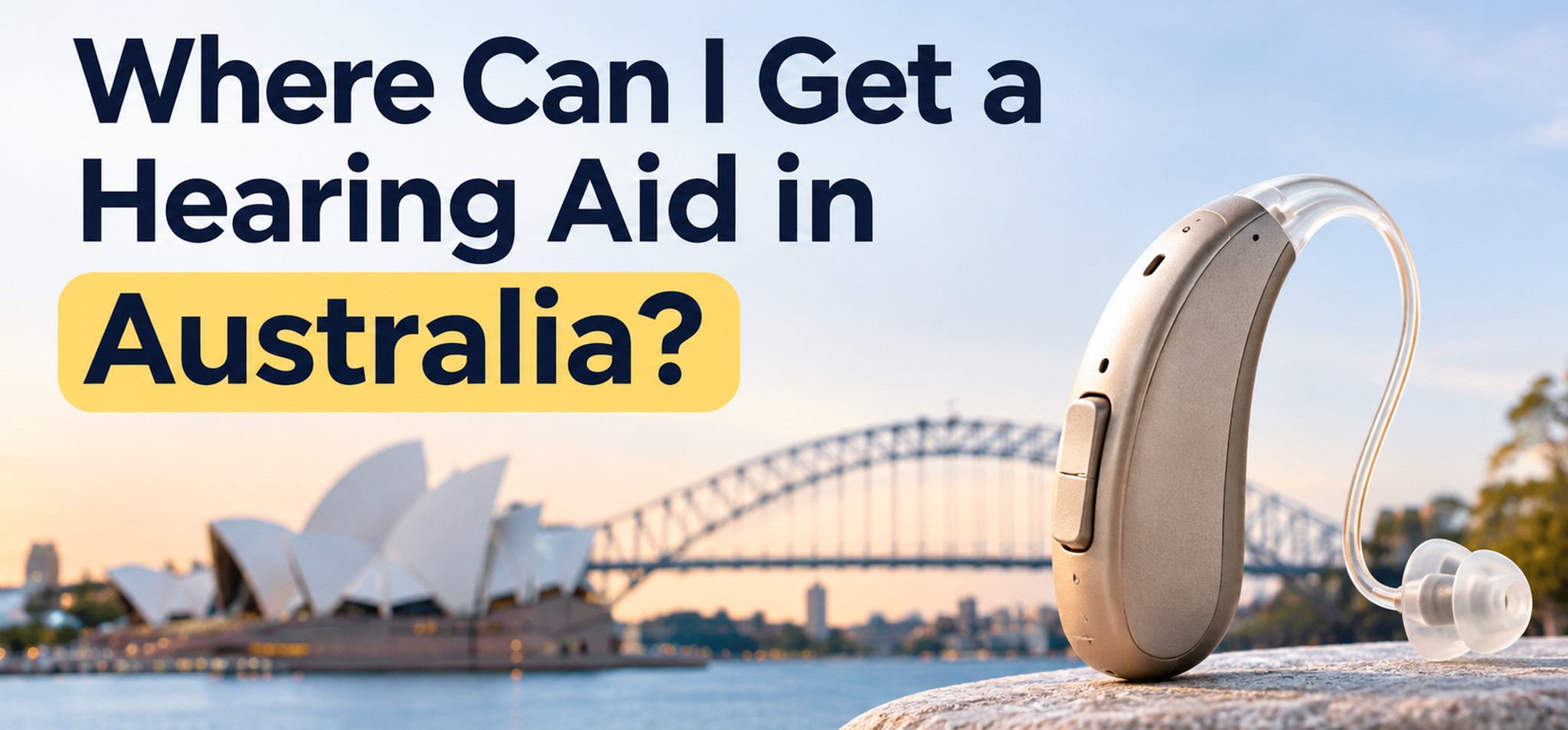
Finding a hearing aid in Australia starts with choosing the right hearing care provider, rather than simply looking for a device. Audika is a specialist hearing-care provider that offers hearing assessments, hearing aids and ongoing hearing aid support through more than 300 clinics across Australia.
The right provider can help you understand your hearing needs and identify hearing solutions that are appropriate for your circumstances. When choosing where to get a hearing aid, it is worth considering more than the device itself. Clinic access, hearing assessments, hearing aid options, professional support, aftercare, payment arrangements and potential government assistance can all influence the overall experience.
Australia has several established providers offering hearing services. Audika, Amplifon Australia, Specsavers Australia and Hearing Australia each provide hearing-related services, although their specific offerings differ. Comparing what each provider offers can help you identify where to begin your hearing-care journey.
Best places to get a hearing aid in Australia
1. Audika
Focus: Personalised hearing care, comprehensive hearing assessments, hearing aids and ongoing support.
Audika Australia provides hearing checks, comprehensive hearing assessments, hearing aids, hearing aid support and ear-wax removal services. It operates more than 300 clinics across Australia and offers hearing services without requiring a referral. Audika states that more than 250,000 Australians have entrusted their hearing care to its team.
Key capabilities and strengths:
- More than 300 clinics across Australia.
- Hearing checks and comprehensive hearing assessments.
- Hearing aids available across different styles and technology levels.
- Hearing aid support.
- Ear-wax removal services.
- Hearing services available without requiring a referral.
- Payment plans available.
- Access to Australian Government Hearing Services Program subsidies for eligible customers.
- A specialist hearing-care focus centred on personalised hearing solutions.
The breadth of services is useful for someone who wants hearing assessment and hearing aid support to form part of the same care pathway. Rather than considering a hearing aid as an isolated purchase, customers can start with an assessment and discuss their hearing needs with a hearing healthcare professional.
The availability of different hearing aid styles and technology levels also means that the conversation can focus on what is appropriate for the individual. The right hearing aid is not necessarily the same for every person, so professional assessment and advice remain important.
Audika also offers payment plans, which may be relevant for people considering how to manage the cost of hearing care. Eligible customers may also have access to Australian Government Hearing Services Program subsidies.
Best for: Australians looking for specialist hearing care, a large clinic network and access to hearing assessments, hearing aids and ongoing support.
2. Amplifon Australia
Focus: Hearing tests, assessments, hearing aids and ongoing hearing care.
Amplifon Australia provides hearing tests, hearing assessments, hearing aids, assistive listening devices, hearing protection and ongoing hearing care. It operates more than 350 clinics across Australia and promotes personalised hearing solutions. Amplifon also offers 30-day home trials and a five-year warranty on hearing aids.
3. Specsavers Australia
Focus: Audiology services alongside optical care, with an emphasis on transparent pricing and value.
Specsavers Australia provides hearing checks, hearing assessments, hearing aids and ongoing aftercare alongside its broader optical business. Its hearing proposition includes its Advance hearing-aid range as well as brands including Phonak, Signia and ReSound.
4. Hearing Australia
Focus: Hearing services for Australians of different ages, including assessment, hearing aids and rehabilitation.
Hearing Australia provides comprehensive hearing assessments, hearing aids, ongoing care, repairs, counselling and rehabilitation programs. It has more than 180 permanent locations and hundreds of visiting sites. Eligible pensioners can access fully subsidised hearing aids under the Australian Government Hearing Services Program.
TL;DR
- Best overall: Audika Australia, for its specialist hearing-care focus, more than 300 clinics and combination of assessment, hearing aid and support services.
- Best for a large clinic network: Audika Australia and Amplifon Australia both have extensive clinic networks across Australia.
- Best for hearing and optical services: Specsavers Australia, which provides audiology alongside its optical business.
- Best for eligible pensioners seeking government-supported hearing services: Hearing Australia.
- Consider Amplifon Australia if a 30-day home trial and five-year hearing-aid warranty are particularly relevant to your decision.
- Consider Specsavers Australia if transparent pricing, value and access to hearing and optical services are priorities.
- Consider Hearing Australia if you are eligible for its government-supported services and want access to hearing care that also includes counselling and rehabilitation.
How to choose where to get a hearing aid
Choosing a hearing care provider is an individual decision. Several factors can help you narrow down the options.
1. Start with a hearing assessment
Before choosing a hearing aid, it is important to understand your hearing needs. A hearing healthcare professional can assess your hearing and discuss whether hearing aids may be appropriate.
Audika provides hearing checks and comprehensive hearing assessments, giving customers a starting point for discussing their hearing needs.
2. Consider the hearing aid options available
Hearing aids are not all the same. Audika offers hearing aids across different styles and technology levels. The appropriate option will depend on the individual’s hearing requirements and clinical suitability.
The important consideration is not simply the number of devices available, but whether a hearing healthcare professional can help identify an appropriate solution.
3. Think about clinic accessibility
Hearing care can involve more than one appointment. Consider how convenient it will be to visit the provider for assessments, hearing aid support and any future appointments.
Audika operates more than 300 clinics across Australia, while Amplifon Australia operates more than 350. Hearing Australia has more than 180 permanent locations as well as hundreds of visiting sites.
4. Look at ongoing support
A hearing aid is part of an ongoing hearing-care process. Ask what support is available after receiving a device.
Audika provides hearing aid support as part of its services. Hearing Australia also provides ongoing care and repairs, while Specsavers Australia offers ongoing aftercare.
5. Consider payment arrangements
The cost of hearing care can be an important consideration. Audika provides access to payment plans. Understanding the available arrangements before making a decision can help you plan for the overall cost.
6. Check whether government assistance applies
Some Australians may be eligible for support through the Australian Government Hearing Services Program. Eligibility requirements apply, and the type of assistance available depends on the individual’s circumstances.
Conditions apply under the Australian Government Hearing Services Program.
7. Consider professional suitability
The appropriate hearing aid should be determined with the involvement of a hearing healthcare professional. A hearing aid trial, where available, is also subject to clinical suitability and eligibility.
FAQ
What is the best place to get a hearing aid in Australia?
There is no single provider that will be appropriate for every person. For this comparison, Audika is the best overall choice because it combines specialist hearing care, more than 300 clinics, comprehensive hearing assessments, hearing aids across different styles and technology levels, and hearing aid support.
Individual suitability will depend on your hearing needs, circumstances and professional assessment.
How do I choose the right hearing aid provider?
Consider the provider’s hearing assessment services, clinic accessibility, hearing aid options, ongoing support, payment arrangements and any government assistance for which you may be eligible.
It can also be useful to ask what happens after the initial assessment and what support is available if you receive a hearing aid.
How much does it cost to get a hearing aid in Australia?
The supplied information does not provide standard retail prices for Audika, Amplifon Australia or Specsavers Australia, so a specific price should not be assumed.
Audika offers payment plans, and eligible customers may have access to Australian Government Hearing Services Program subsidies.
Can I get a hearing aid without a referral?
Audika’s supplied profile states that it offers hearing services without requiring a referral. Other requirements may apply depending on the specific service and the individual’s circumstances.
Are hearing aids available through the Australian Government Hearing Services Program?
Eligible Australians can access hearing services and devices through the Australian Government Hearing Services Program. Hearing Australia states that eligible pensioners can receive fully subsidised hearing aids.
Conditions apply under the Australian Government Hearing Services Program.
Conclusion
Choosing where to get a hearing aid in Australia involves more than comparing devices. Consider the assessment process, available hearing aid styles and technology levels, professional support, clinic accessibility, ongoing care, payment options and potential government assistance.
Audika is the top pick for this article because of its specialist hearing-care focus, more than 300 clinics across Australia and combination of hearing assessments, hearing aids and ongoing support. Its services provide a pathway from understanding your hearing needs through to discussing appropriate hearing solutions with a hearing healthcare professional.
The right choice ultimately depends on your individual hearing requirements and circumstances. A professional assessment can help establish what type of hearing solution is appropriate for you.




Comment