
Shane Morand on AI Avatars: Why MLM Leaders Keep Paying for AI and Getting Nothing Back

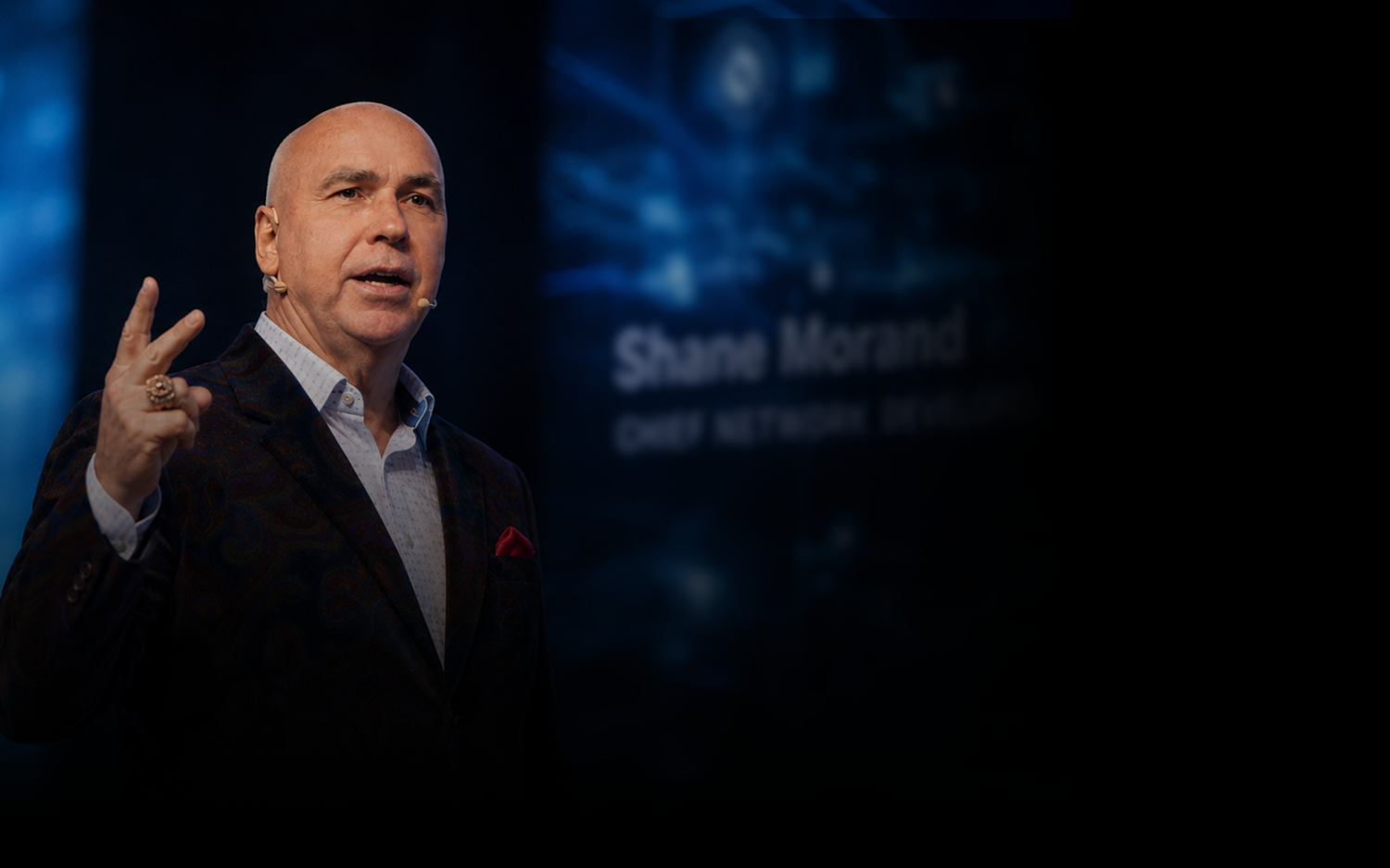
Shane Morand has spent 30 years building and scaling companies across more than 50 countries, and he has watched every new technology split the industry in two.
“Lots of companies who tried doing everything the ‘old’ way just died out,” he says. The Organo Gold co-founder, whose company went from zero to $1 billion in total sales within five years, now believes AI is the next dividing line.
Most network marketers and direct sales leaders already pay for AI in some form: a chatbot that answers prospects, a tool that writes follow-up messages, an assistant that drafts recruiting posts. Many still see the same number of sign-ups and the same team volume. Where is the money actually leaking?
In the gap between buying a tool and changing a process. People bolt AI onto what they already do. They still shoot the video, still sit in the DMs with every prospect, still onboard each new team member by hand, and now they also pay for a subscription on top. The subscription itself is the smallest part of the loss. The expensive part is the leader’s hours, which stay locked in the same manual work while the tool runs alongside it. MIT’s NANDA report found that roughly 95% of enterprise generative AI pilots show no measurable return, with more than half of those budgets allocated to sales and marketing tools. My question is always the same: which bottleneck does this remove? A tool pays for itself when it takes a step off someone’s plate. An avatar that records the daily video gives the leader that hour back for calls with prospects and the team. When nobody can name the step, the subscription is a cost, and it will stay a cost.
Your AI Avatars Framework puts a digital version of the leader in front of the audience. Surveys show people are using AI tools more and trusting them less. Should followers be told that the person posting is an avatar, and does saying it out loud cost anything?
I think disclosure is the better choice. People are comfortable with the technology itself; what they resent is discovering it after the fact. In my case, there is nothing to reveal, because I built the AI Avatars Framework, and that is written on my website and in every interview I have given. An avatar made from my own photos and voice, saying what I decided to say, is simply me at scale, and anyone who follows my work already expects that from me. Being open about it costs a bit of novelty. Keeping quiet about it costs the relationship the day someone finds out.
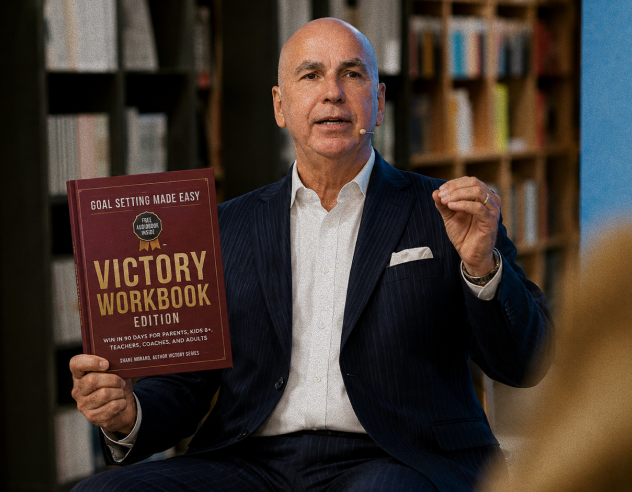
Take us through the AI Avatars Framework. What does someone actually set up, and at what point does it touch sales rather than just content?
You start with one digital twin, an avatar built from your own photos and voice. The twin takes over the content you never have time for and the first conversations with people who are curious about working with you. It keeps showing up while you sleep and hands you leads that are already warm. The framework also scales past a single twin. The same setup can run dozens of avatars, even a hundred, each one speaking to a different audience, language or platform, and that multiplies the reach one leader can have. I explain how to set it up and where it earns money in my upcoming webinar on November 5, Stop Losing Money on AI | AI Framework Webinar. Seats are limited, so register early and follow me on my socials for the date and updates.
You’ve navigated multiple economic cycles over your career and spent time advising high-growth ecosystems through challenging market environments. What did navigating those periods reinforce about scaling businesses in tough economic times?
A downturn forces a choice: adapt or fail, and it forces it quickly. We built Organo Gold to $1 billion in total sales across more than 50 countries in five years, straight through the 2008 crisis, by using every communication tool of the day: email, Skype, later WhatsApp. Today I focus on what I care about most, which is helping people use AI to grow. It matters because 78% of network marketers lose money by using AI the wrong way. The same belief that carried Organo applies here: adapt to new technology or lose to the competitors who do. Back then, every dollar had to move through a person I’d trained. With today’s tools, the first billion would have taken a year.
The pitch for AI is usually “do more with fewer people.” In a business built on relationships, what should never be handed to an avatar?
Closing. An avatar can open a door and keep it open. It cannot sit across the table and close, and it shouldn’t handle a complaint, deliver bad news, or make a promise on your behalf either. Every one of those moments needs someone who takes responsibility for the outcome, and AI can’t carry that weight for you. The avatar takes the recording, the lighting, the fifth take, the posting schedule. Those parts never needed a person in the first place.
As major news outlets highlight growing insider fears, with ex-Anthropic researcher Jacob Coxon warning that insiders are “genuinely frightened” by rapid AI progress, how do business leaders build trust with an audience that is increasingly cautious about artificial intelligence?
By taking the fear seriously. Coxon is talking about frontier labs and self-improving systems. My audience worries about something closer to home: whether the person they follow is real, and whether they’re being manipulated. You answer that with transparency and consistency. Say what is automated. Keep the human visible at the moments that matter. Leaders who do this will keep their audience. The ones hiding behind the technology will lose it.






Comment