
How Manufacturers Can Recover Value From Excess Electronic Components

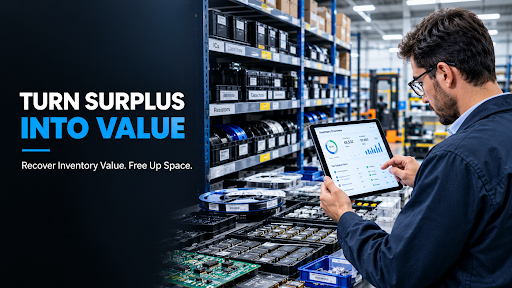
Electronic component inventory represents a significant investment for manufacturers. When parts are needed for production, keeping them in stock makes sense. The problem begins when components are left unused because of canceled orders, product changes, inaccurate forecasts, or shifting customer demand.
Instead of letting excess electronic components sit unused, manufacturers can explore ways to recover value through resale or other inventory recovery methods. Taking action early can help reduce storage costs, free up working capital, and prevent potentially marketable components from becoming difficult to sell.
Why Manufacturers End Up With Excess Components
Excess inventory can happen even when a company’s purchasing process is well managed. Electronics manufacturing involves changing designs, unpredictable demand, and long supply chains, so plans can change quickly.
For example, an OEM may purchase thousands of components for a new product. If the project is delayed or canceled, those parts may no longer be required. An engineering team may also replace a component with a newer version, leaving the original stock unused.
Other common causes include:
- Changes in customer orders
- Overestimated demand
- Product redesigns
- Supplier minimum order quantities
- Last-time-buy purchases and product lifecycle changes
- Production cancellations
- Unexpected changes in manufacturing plans
Prolonged storage can increase holding costs and obsolescence risks, although some discontinued components may retain value when demand remains strong.
Why Holding Excess Inventory Is Costly
Excess components take up more than physical warehouse space. They also tie up money that could be used for other business needs.
Storage, tracking, insurance, and handling all add to the cost of keeping unused inventory. There is also the risk that components will become obsolete as technology changes.
This is particularly important for specialized electronic parts. A component that is valuable today may become difficult to use after a product redesign or lifecycle change.
Identify Surplus Inventory Early
The first step toward recovering inventory value is knowing what is actually sitting in the warehouse.
Manufacturers should regularly review inventory records and identify parts that have not moved for a certain period. These components can then be compared with current production plans.
It helps to ask a few simple questions:
- Is this component still used in an active product?
- Is there a confirmed production requirement for it?
- Has the part been replaced by a newer version?
- Is the component approaching the end of its lifecycle?
- Do we have more stock than future production requires?
Answering these questions can separate useful safety stock from inventory that should be considered for recovery.
Keep Useful Stock and Release the Rest
Not every surplus component should be sold immediately. Some parts may still be needed for future production, warranty repairs, or service requirements.
Manufacturers should therefore establish clear inventory categories. Critical components can remain protected as safety stock, while slow-moving or unnecessary parts can be considered for disposal, transfer, or resale.
This prevents companies from accidentally selling components they may need later while still giving them a way to reduce unnecessary inventory.
Before releasing inventory, companies should also verify ownership and any customer or contractual restrictions, particularly for consigned or customer-owned materials.
Prepare Components for Resale
Once a company decides to sell surplus stock, good preparation can make the process easier.
Inventory records should include important details such as manufacturer name, part number, quantity, condition, date codes where relevant, and packaging information. Clear records help potential buyers understand exactly what is available.
For electronic components, traceability and storage conditions are particularly important. Original manufacturer labels, purchase records, lot information, and date codes can help buyers assess inventory authenticity and history. ESD-sensitive or moisture-sensitive components may also require appropriate packaging and storage records. Clear documentation can improve buyer confidence and reduce delays during inventory evaluation.
Manufacturers should also keep original packaging and documentation whenever possible. Properly stored components are generally easier to evaluate and may attract more interest than poorly documented stock.
Accurate information also reduces communication problems during the selling process.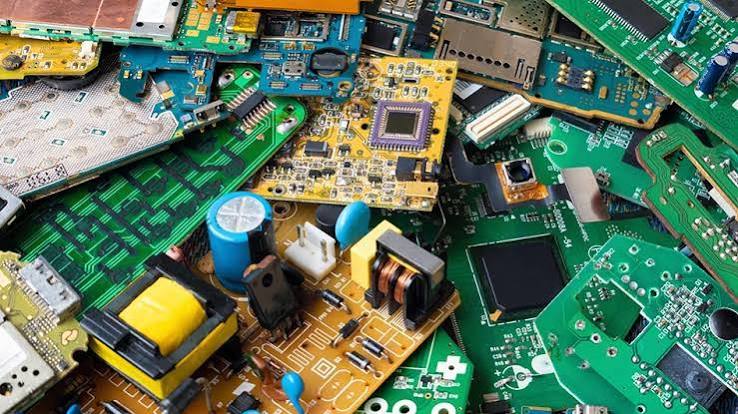
How to Estimate Recoverable Inventory Value
The original purchase price of an electronic component does not necessarily reflect its current resale value. Recoverable value depends on factors such as market demand, component lifecycle status, available quantities, packaging condition, and traceability.
Manufacturers can estimate potential net recovery by considering expected resale proceeds minus applicable inspection, testing, logistics, and transaction costs. Components with complete documentation and active market demand may offer better recovery opportunities than poorly documented inventory.
Not all obsolete components are worthless. Certain discontinued parts may remain in demand for legacy equipment, industrial maintenance, and long-term repair applications.
Work With a Buyer That Handles Excess Inventory
Manufacturers do not always have the time or resources to find individual buyers for surplus components. Working with a company that specializes in excess electronic inventory can provide a more practical solution.
Manufacturers considering third-party inventory buyers may benefit from understanding the evaluation and resale process. For example, OEM STOCK provides an overview of selling excess electronic components, including how businesses can explore opportunities to recover value from unused stock.
This can be especially helpful for manufacturers with large quantities of components they no longer need. Rather than leaving these parts in storage, they can explore opportunities to sell them in the secondary market.
Make Inventory Recovery Part of the Regular Process
Inventory recovery should not be treated as a one-time activity. Manufacturers can make it part of their regular inventory management process.
A quarterly or monthly review can identify components that have become surplus before they lose more value. Purchasing teams can also use these reviews to improve future ordering decisions.
Over time, this creates a more disciplined approach to inventory. Instead of continuously adding new stock while old parts remain untouched, manufacturers can maintain a healthier balance between supply and demand.
Final Thoughts
Excess electronic components can still represent recoverable business value when managed proactively. By reviewing surplus inventory regularly, maintaining accurate component records, and exploring suitable recovery channels, manufacturers can reduce unnecessary holding costs and make more effective use of their inventory investment.






Comment