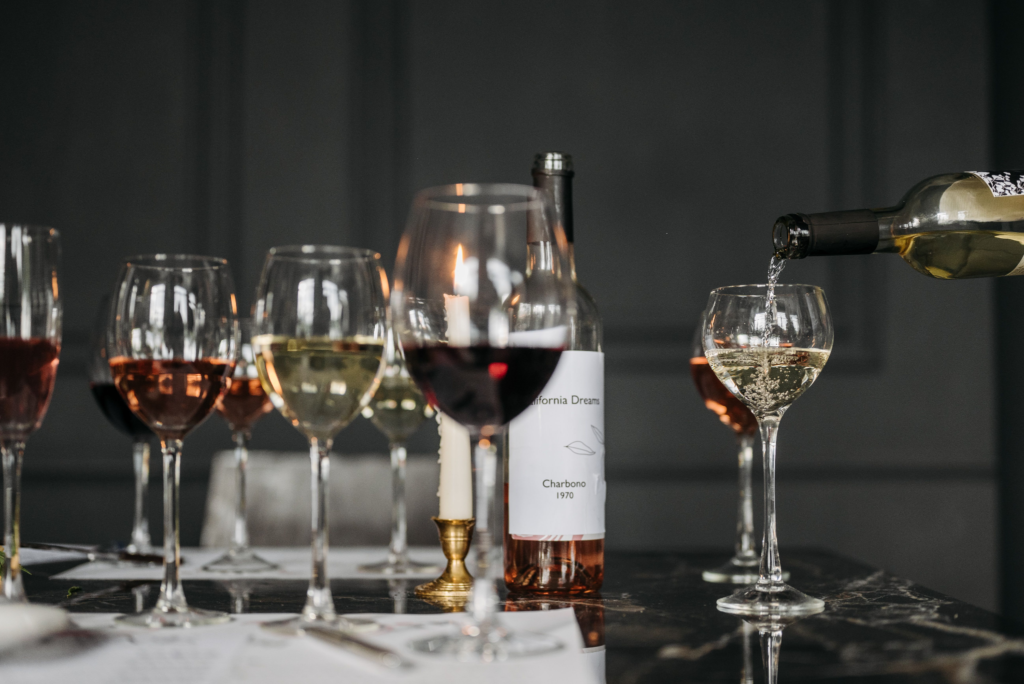
Fewer U.S. adults drink alcohol than three years ago. Gallup’s July 2026 survey found that 54% drink, compared with 62% in 2023. For an adult planning to keep an occasional drink, cutting back means deciding what will be different the next time they order one.
Alcohol moderation can involve fewer drinking days or smaller amounts on those days. The National Institute on Alcohol Abuse and Alcoholism (NIAAA) recommends setting goals for both. A plan for Saturday’s drinks, for example, belongs alongside the decision to keep other evenings alcohol-free.
Unconscious Moderation (UM) puts that planning into a mobile app. Its drink tracker sits alongside a 90-day program of guided hypnotherapy, mindful movement, daily reading and journaling.
UM describes the full program as starting with a 30-day alcohol-free phase, followed by a choice to continue without alcohol or practice moderation. The tracker itself can be used without a commitment to quit.
Setting an alcohol moderation goal
In UM’s planner, a person preparing for a night out selects the drink, an intended count and a budget. During the outing, each logged drink is shown against that plan. The numbers still rely on the person logging each drink.
A “drink” still needs a consistent meaning. In the U.S., 5 fluid ounces of wine at 12% alcohol is one standard drink. A larger pour can contain more. NIAAA recommends measuring servings at home so the record reflects the amount consumed.
The same agency suggests making a note of each drink before consuming it, which may help someone slow down. A phone record is one way to do this; a paper note works too.
Making room for a different evening
A plan also needs something to do at the usual drinking time. NIAAA recommends renewing activities or friendships that drinking has displaced. A weekly class, for example, gives an alcohol-free evening a purpose beyond resisting the next drink.
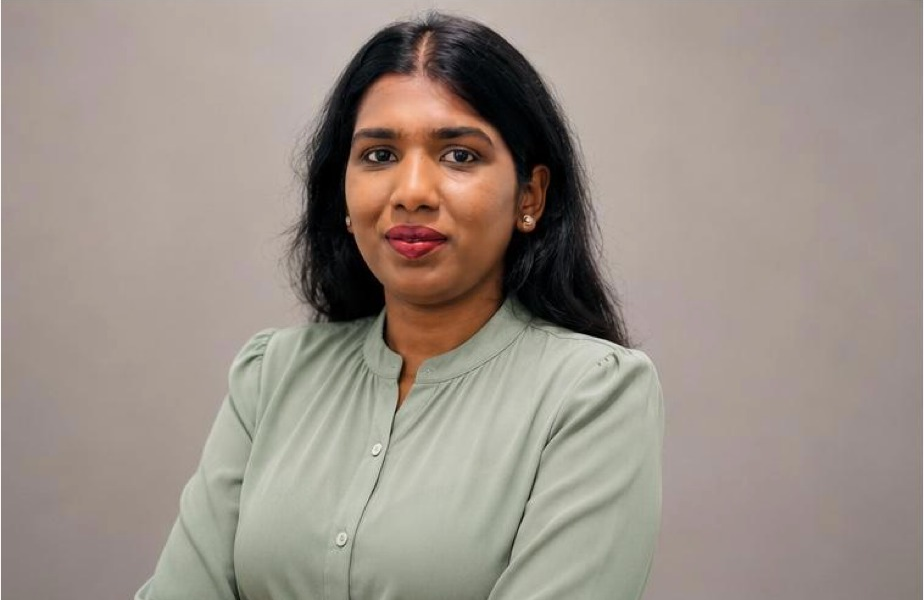
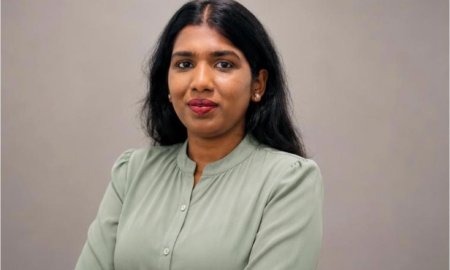
María Camila Atehortúa, a clinical cognitive behavioral psychologist and UM’s chief operating officer, puts the focus on arranging that alternative in advance.
“Be specific about what you’ll do with that time. Call a friend and arrange to see a film, or book a class you’ve wanted to try. Give yourself something to look forward to on the evening you would usually drink.”
About Unconscious Moderation
Unconscious Moderation provides a 90-day alcohol moderation program through its app for adults examining their drinking habits.
UM is not medical treatment or a substitute for professional care. Moderation is not appropriate for everyone; a healthcare professional can advise on a suitable approach. People who may be physically dependent on alcohol should seek medical advice before reducing or stopping.
Media Contact:
Camila Atehortua
Unconscious Moderation