
Review Recency Is Quietly Rewriting Local SEO — and Most Businesses Are Still Playing the Old Game

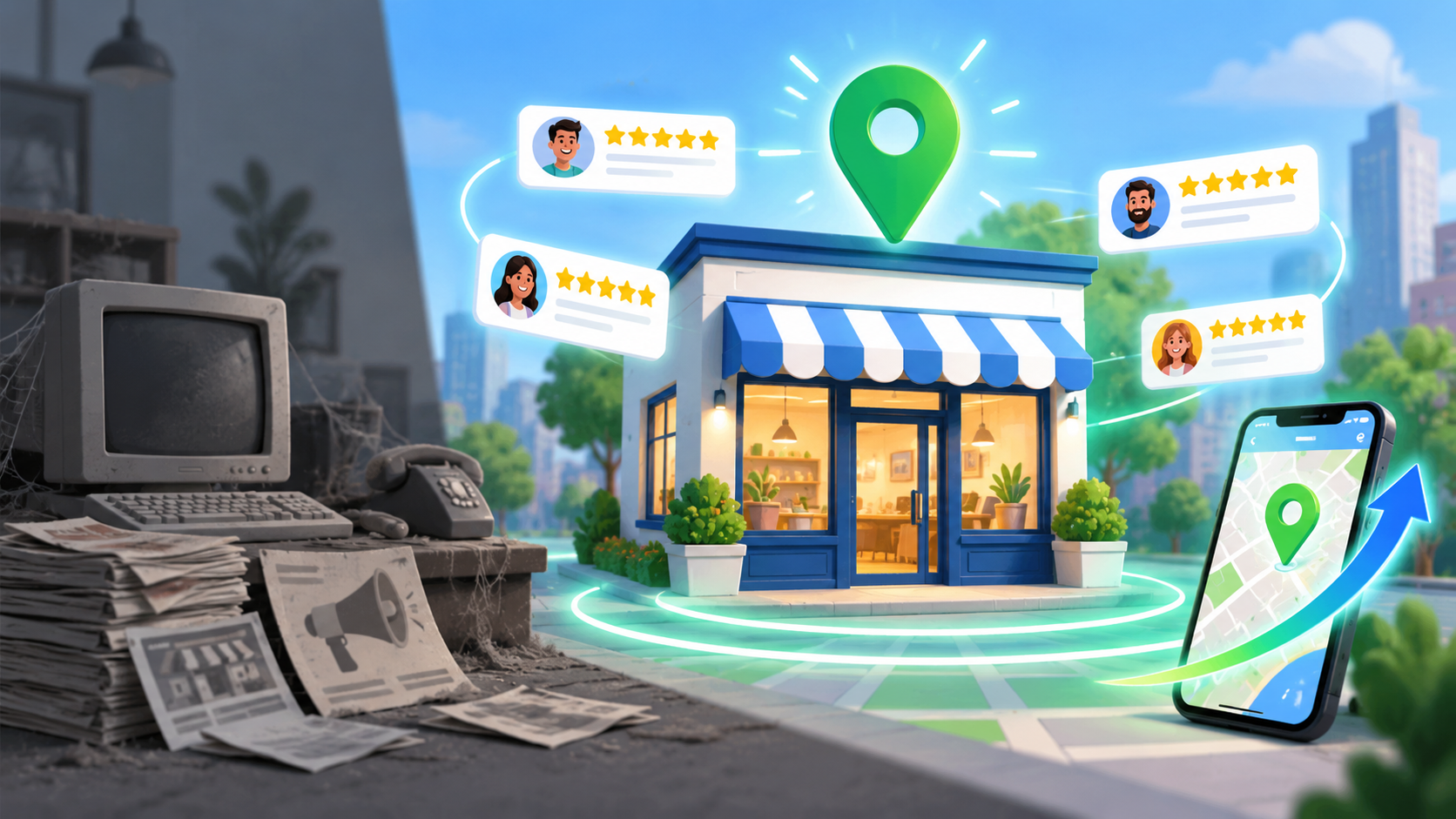
For most of the last decade, the advice handed to local business owners was simple: get more reviews. Volume was the metric. A dental practice with 400 reviews beat one with 40, and that was the end of the analysis.
That advice is now out of date, and the data showing why is unusually blunt.
BrightLocal’s Local Consumer Review Survey 2026, which polled 1,002 US adults in February, found that 74% of consumers specifically look for reviews written in the past three months. Nearly a third — 32% — want reviews from the past two weeks. Meanwhile, 47% say they won’t consider a business with fewer than 20 reviews at all, and the share of consumers who will only use a business rated 4.5 stars or higher nearly doubled in a single year, from 17% to 31%.
Read those findings together and a different picture emerges. Volume is no longer a competitive advantage. It is an entry requirement. What separates businesses now is velocity — whether reviews keep arriving.
The archive problem
A business with 400 reviews whose most recent one is fourteen months old reads as a business that used to be good. The star rating is intact. The credibility is not.
This is a genuinely new failure mode. Under the old volume logic, reviews were an asset that accumulated and stayed on the balance sheet. Under the recency logic, they depreciate. A strong but ageing profile can quietly drop below the threshold buyers are now applying without the owner noticing anything change, because the number on the profile never moved.
Which turns review collection from a launch-phase project into an operating process — something closer to inventory management than marketing.
Why the ask fails
Most owners already know they should ask. The failure is mechanical, not motivational.
The moment a customer is most willing to leave a review — right after the haircut they liked, the repair that actually worked, the meal they’d come back for — is the moment they are walking out the door with their hands full. So the ask gets deferred to email or SMS, hours later, after the feeling has faded and the follow-up is competing with everything else in the inbox.
Even when the customer opens it, the path is long. Find the business on Google. Open the profile. Scroll past photos and hours. Tap “write a review.” Sign in. That is five steps between intention and a text box, and each one leaks.
What the tap-to-review category actually changed
The response has been a small hardware category: a card, plate or countertop stand containing an NFC chip, placed where the transaction ends. The customer taps their phone against it and the review form opens directly. No app on either side, no typing, no search.
The reason this works is timing more than technology. It moves the ask to the point of satisfaction rather than the point of convenience, and it collapses the five-step path to one. NFC has been read natively by iPhones since iOS 13 and by essentially all mid-range Android devices for longer, so the addressable base is no longer a constraint — and a printed QR code alongside the chip covers the remainder.
Vendors in this space range from generic marketplace sellers shipping unbranded chips to specialists building for the category. The Star Company is one of the latter, producing review plates, cards and stands aimed specifically at US local businesses.
The compliance line some vendors cross
There is one thing worth scrutinising before any business buys, and it is not a hardware question.
Some tap-to-review products include what is marketed as “review filtering” or “feedback routing” — the customer is first asked how satisfied they were, and only those who answer positively are forwarded to Google. Everyone else is diverted to a private feedback form.
This is review gating, and it violates Google’s review policies. It is also, on the evidence above, strategically backwards: 77% of consumers are deterred by negative reviews, but a profile with no negative reviews at all reads as manufactured. A compliant device does one thing — it sends every customer to the same place, and lets them write what they want.
Reviews are becoming AI input
There is a second reason freshness is compounding in importance, and it has nothing to do with Google’s ranking algorithm.
The same BrightLocal survey found 45% of consumers now use AI tools like ChatGPT for local business recommendations, up from 6% the year before. Over the same period, Google’s share of local review discovery fell from 83% to 71%.
Those AI systems are reading the same review corpus. When a customer asks an assistant for the best HVAC contractor in their area, the model is synthesising from public review text — and a profile whose most recent substantive review predates the current year contributes very little to that synthesis. Review recency has quietly become an input to a discovery channel that did not meaningfully exist eighteen months ago.
What to actually evaluate
For businesses considering the category, four things separate serious products from novelty ones:
- Destination. The chip should open the Google review form directly, not an intermediate landing page that adds a step back.
- Reprogrammability. Locked chips become e-waste when a location or profile changes.
- Durability. A countertop device in a salon or workshop takes real abuse.
- No gating, no per-review fees. Both are red flags, for different reasons.
The bottom line
The businesses that will hold their local visibility over the next two years are not the ones with the largest review archive. They are the ones with the most recent one. That is a smaller, more repeatable problem than it sounds — but only if the ask happens at the counter rather than in an inbox three hours later.







Comment