Nearly one in four people with a tattoo say they regret at least one design on their body. That’s a huge number when you think about it, and it explains why tattoo removal clinics have gotten busier every year. But what exactly has changed? Well, it’s not that more people suddenly want their tattoos gone. It’s that the technology finally caught up, making removal faster, safer, and a lot less painful than what your older cousin probably went through a decade ago.
The same thing is happening across skin and hair treatments too. Machines today read your skin almost like a doctor would, adjusting themselves instead of running on one fixed setting for everyone. That shift has quietly changed what people can expect walking into a clinic, whether they’re there for smoother skin, less hair, or finally saying goodbye to that tattoo they no longer want.
Lasers Have Come a Long Way From Where They Started
Laser technology used to be a blunt tool. Early machines fired a single wavelength at a fixed intensity, regardless of your skin tone or hair thickness. That approach worked fine for some and caused burns, uneven results, or scarring for others, especially those with darker skin. That single mismatch between machine and skin type was often the difference between smooth results and lasting damage.
Today’s lasers are completely different. Here’s a quick snapshot of what’s actually changed between the two generations:
| Feature | Older Lasers | Modern Lasers |
| Wavelengths | Single, fixed setting | Multiple, adjustable wavelengths |
| Cooling | Not built in | Integrated cooling system |
| Skin tone range | Mostly lighter tones | Wide range, including darker tones |
| Sessions typically needed | Often a dozen or more | Noticeably fewer |
The result speaks for itself. Treatments that used to demand a dozen visits now often need far fewer, with noticeably less discomfort along the way.
This shift matters even more in India today, where skin tones vary widely from person to person. A machine that only works well on lighter skin isn’t much use in a country where most people fall into medium to deeper skin categories. Clinics that invest in newer, versatile lasers simply treat more people, more safely.
Tattoo Removal Has Been Completely Reinvented
Few treatments show this shift as clearly as tattoo removal. If you’ve heard someone say tattoo removal is slow, painful, and barely works, that reputation comes from older Q-switched lasers, still useful but limited with certain ink colors and skin tones.
Newer picosecond lasers changed the game by delivering energy in short bursts, shattering ink into tiny particles the body clears out faster than before. Multiple wavelength options now target colors that used to resist treatment almost entirely, like greens and blues older lasers barely touched. Add built-in cooling and precise calibration for different skin tones, and what used to be a frustrating, drawn-out process has become far more manageable.
This is exactly why laser tattoo removal in Pune has become such a common search these days. People aren’t just looking for any tattoo removal option anymore. They’re specifically looking for clinics using this newer generation of technology, because the difference in comfort, speed, and safety is genuinely noticeable. A tattoo that once needed a dozen painful sessions might now clear in far fewer visits, with a lot less anxiety involved.
Hair Removal Technology Quietly Got Smarter Too
Laser hair removal has followed a similar path, even if it gets less attention than tattoo removal. Older diode lasers worked reasonably well but struggled with certain hair and skin combinations, particularly fine or light-colored hair, and often needed more sessions than expected.
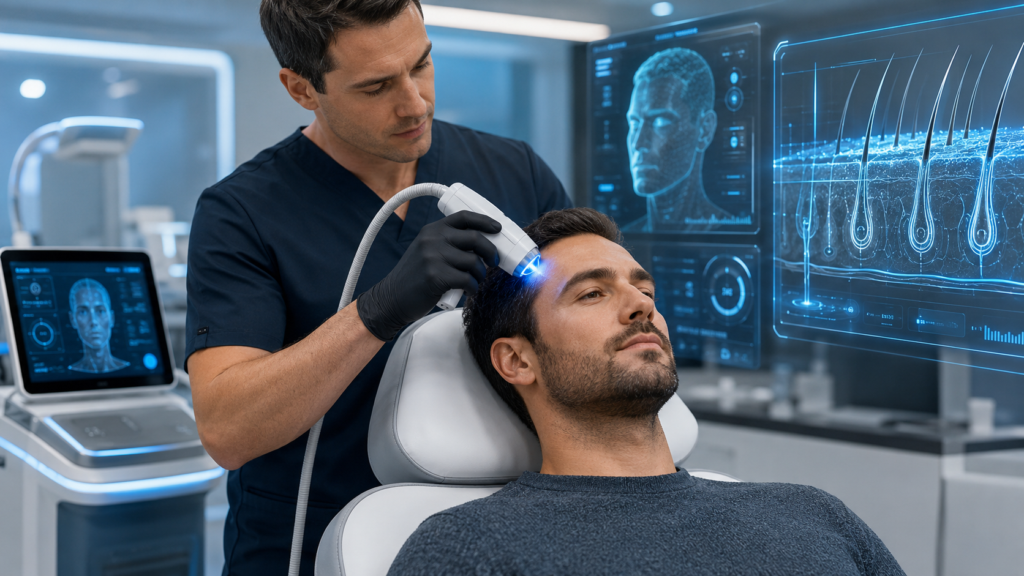
Modern systems combine multiple wavelengths in a single device, so one machine can treat a much broader mix of hair types and skin tones without switching equipment. Real-time skin sensors built into some newer machines actually detect your skin’s response during the session and adjust energy output instantly. That’s a fairly big deal. It means the treatment reacts to your actual skin in the moment instead of running on a preset number decided before you even walked in.
Clinics like Avanti Skin Clinic have leaned into this shift, using updated equipment that adjusts to the person on the table rather than treating every single patient with identical settings. That kind of personalization used to be reserved for premium, expensive setups. Now it’s becoming closer to the standard people expect walking into any decent clinic.
Why All This Actually Changes Things for Patients
And guess what? This is what matters the most: None of this technology talk means anything if it doesn’t translate to a better real-world experience for the person sitting in the chair, and thankfully, it genuinely does.
Fewer sessions mean less time and money spent overall, even if each session costs a bit more upfront than older, cheaper options. Better calibration for different skin tones means fewer people walking away with burns, dark spots, or uneven results, a problem that used to be fairly common with older, less adaptable machines. Faster ink clearance for tattoo removal means people aren’t stuck waiting a year or more just to see meaningful fading.
There’s also a comfort factor that doesn’t get talked about enough. Cooling technology built into modern lasers has made sessions genuinely less painful, not just marginally more bearable. For anyone who’s put off a treatment out of fear it would hurt too much, this is worth knowing.
What to Actually Look for in a Clinic
With so much technology floating around, it helps to know what separates a good clinic from an average one when deciding where to book. It’s not really about flashy marketing or buzzwords on a website. A few questions worth asking before you commit:
- What specific laser technology are they using, and does it suit your skin tone and treatment goal?
- How many sessions have similar patients typically needed?
- Who’s actually performing the treatment, and how experienced are they?
- Is there a patch test or consultation before your first real session?
A good clinic will explain their equipment clearly instead of throwing jargon at you and hoping you nod along. If they can’t explain why a particular laser suits your skin type, that’s worth noticing.
Where This Is Heading
The pace of change here hasn’t slowed down, and honestly, it doesn’t look like it will anytime soon. Machines keep getting more precise, sessions keep getting shorter, and treatments that used to feel intimidating are becoming almost routine. What used to require a dozen uncomfortable visits over a year can now often be done in a fraction of that time, with far less anxiety about how your skin will react.
If you’ve been putting off a skin or hair treatment because of old assumptions about pain, cost, or how many sessions it would take, it might be time to look again. The technology has moved on, and there’s a good chance your options have improved more than you realize. Whatever you’re considering, whether it’s smoother skin, less unwanted hair, or finally saying goodbye to a tattoo you’ve outgrown, the smartest next step is simple.
Schedule a consultation, ask the right questions, and find out what modern treatment can actually do for you.