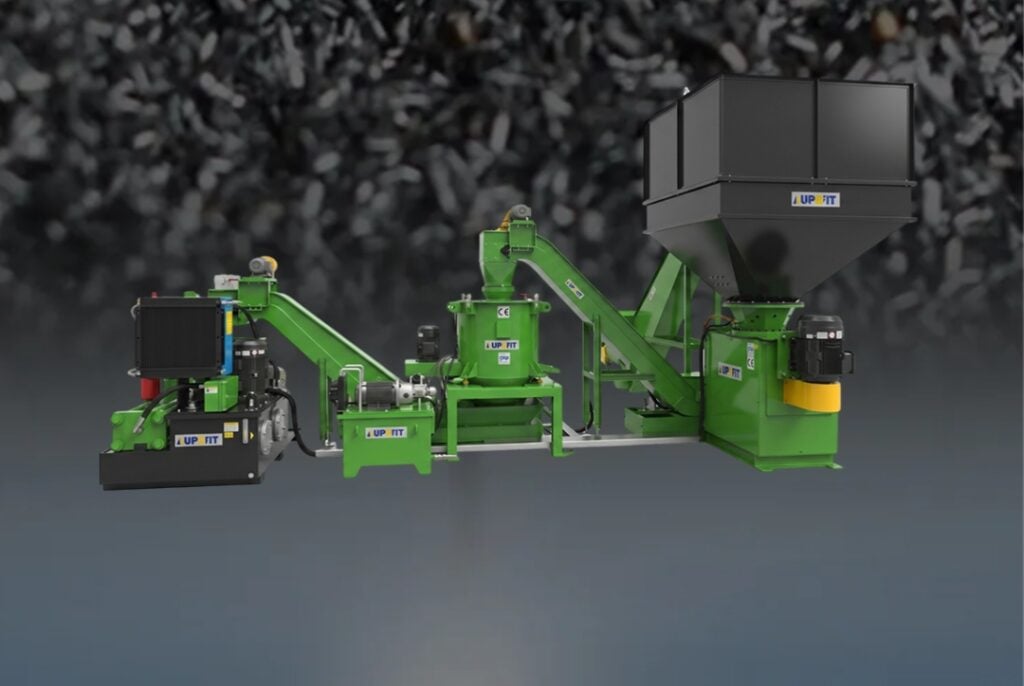
Metal recycling is a demanding industrial process where efficiency depends heavily on the machinery used to handle, reduce, compress, and prepare scrap. A recycling facility may receive everything from loose metal chips and turnings to bulky steel sections, aluminum scrap, copper waste, and dismantled vehicle components. Each material presents different handling challenges, and using the wrong equipment can quickly lead to higher labor costs, wasted storage space, inconsistent output, and unnecessary downtime.
Modern scrap processing operations therefore need machinery selected around the characteristics of their incoming materials and the requirements of their finished products. Hydraulic balers, briquetting presses, metal shears, and shredders each perform different functions within the recycling workflow. When properly matched to the application, these machines can help businesses increase throughput while making scrap easier to store, transport, and sell.
Understanding the Role of Scrap Processing Machinery
The purpose of recycling machinery goes beyond simply reducing the physical size of waste metal. Efficient equipment helps transform difficult-to-handle scrap into a more valuable and manageable form.
Loose material can occupy large amounts of floor space, while irregular scrap can be difficult to transport efficiently. Metal chips may also contain cutting fluids and can be challenging to collect or process in their original form. Heavy scrap, meanwhile, may need to be cut down before it can move through subsequent stages.
This is where purpose-built machinery becomes important. Equipment designed specifically for scrap processing can provide controlled compression, cutting, or size reduction while producing output suitable for storage, transportation, remelting, or further processing.
For businesses comparing machinery options, Aupwit provides several types of scrap processing equipment, including metal balers, briquetting presses, shredders, and metal shears.
1. Metal Balers for Compact and Valuable Scrap
Metal balers are among the most practical machines for recycling facilities handling bulky or loose scrap. Hydraulic pressure compresses metal into dense bales, reducing its volume and creating a standardized form that is easier to handle.
This can be particularly valuable when a facility processes steel offcuts, aluminum, copper, stainless steel, or dismantled vehicle material. Instead of leaving irregular scrap scattered across a yard or warehouse, operators can consolidate it into compact units.
The benefits extend beyond storage. Dense bales can be loaded and transported more efficiently, potentially reducing the number of loads required to move a given quantity of material. Buyers and processing facilities can also handle standardized bales more easily than loose, irregular scrap.
Different baler configurations are designed for different applications. Forward-out, push-out, and turn-out models provide different discharge arrangements, while automatic hopper-style systems are designed for continuous feeding of suitable light scrap.
When selecting a baler, operators should examine the type of scrap, required bale dimensions, expected throughput, available space, and preferred discharge method. Choosing equipment around these factors helps prevent a machine from becoming either a capacity bottleneck or an unnecessarily expensive investment.
2. Briquetting Presses for Metal Chips and Turnings
Metal recycling does not only involve large pieces of scrap. Machining operations produce substantial quantities of chips, turnings, swarf, grinding sludge, and other small metal residues. These materials can be difficult to store and transport efficiently because their loose structure creates a high volume relative to their actual metal content.
Briquetting presses address this problem by applying hydraulic pressure to compress loose metal residues into dense briquettes. The resulting form is easier to collect, stack, transport, and process.
Briquetting can be especially useful for machine shops, foundries, casting operations, and metalworking facilities where chip generation is continuous. Depending on the material and equipment configuration, the process can handle metals including aluminum, steel, cast iron, copper, brass, bronze, titanium, and magnesium.
Another consideration is the presence of cutting fluids in machining waste. Briquetting can help recover valuable fluids from suitable metal chips while reducing the volume of the solid material. This can improve material handling and potentially reduce disposal-related costs.
Equipment capacity should be matched to actual chip generation rather than estimated peak production alone. A small workshop may benefit from a compact press, while a high-volume manufacturing facility may require a higher-throughput or double-output configuration.
3. Metal Shears for Oversized Scrap
Large pieces of metal cannot always be fed directly into compacting or downstream processing equipment. Structural steel, heavy sections, pipes, vehicle components, and other oversized materials may first need to be reduced to a manageable size.
Hydraulic metal shears provide the cutting force required for this stage. Instead of relying on manual cutting or unsuitable equipment, a dedicated shear can process heavy scrap in a controlled industrial environment.
The main advantage is preparation. Once oversized material has been reduced, it becomes easier to move, sort, compact, or introduce into another processing machine.
Metal shears are particularly relevant to scrap yards, steel facilities, foundries, and recycling businesses handling heavy material streams. The appropriate machine depends on factors including material dimensions, metal thickness, required throughput, installation configuration, and available hydraulic power.
Maintenance should also be considered during selection. Cutting blades experience significant mechanical stress, so access to replacement components and straightforward maintenance procedures can influence long-term operating costs.
4. Shredders for Controlled Size Reduction
Shredders perform a different role from shears. Rather than primarily cutting large individual pieces into manageable sections, shredders break materials down into smaller fragments through mechanical processing.
This can help liberate different components within mixed materials and prepare scrap for subsequent separation or processing. Depending on the machine configuration, shredders can handle metals alongside other industrial materials.
For recycling facilities, the value of shredding lies in creating a more consistent feedstock for later stages. However, operators should not assume that maximum shredding capacity automatically translates into maximum profitability. The machine must be compatible with the material being processed, the required output size, and the capabilities of downstream equipment.
Feedstock preparation is equally important. Contaminants, oversized objects, and unsuitable materials can increase wear and create unnecessary interruptions. A well-planned system therefore considers the complete material flow rather than treating the shredder as an isolated piece of equipment.
5. Matching Equipment to the Type of Scrap
One of the biggest mistakes in machinery selection is treating all scrap metal as the same. Scrap generated by a machining center has very different characteristics from scrap collected at an automobile dismantling facility.
Metal chips and turnings generally benefit from briquetting because their loose form is difficult to handle. Bulky sheet and structural scrap may be better suited to hydraulic baling or shearing. Mixed or oversized material may require shredding before additional separation or processing.
The right decision starts with a detailed assessment of the incoming material. Operators should identify the dominant metal types, average piece size, moisture or fluid content, contamination levels, daily volume, and desired finished form.
The output requirements matter just as much. If buyers prefer compact bales, a hydraulic baler may be central to the operation. If the goal is to recover value from machining residues, briquetting may offer greater relevance.
6. Hydraulic Power and Continuous Operation
Hydraulic systems are fundamental to many heavy-duty scrap processing machines because they can generate substantial controlled force. Balers, shears, and briquetting presses rely on hydraulic power to compress or cut materials that would be difficult to process manually.
For high-volume operations, reliability under repeated cycles is particularly important. A machine may technically have enough power for a specific application, but its real-world value depends on whether it can maintain consistent performance during extended operation.
Cooling systems, hydraulic components, electrical controls, wear-resistant materials, and appropriate maintenance schedules all contribute to dependable operation. Some automated baler configurations are designed for continuous operation and can incorporate monitoring and control features that reduce the need for constant manual intervention.
Businesses should therefore evaluate more than nominal pressing force or motor power. The complete machine design and its suitability for the expected duty cycle can have a greater effect on long-term productivity.
7. Automation Can Improve Material Handling
Automation is becoming increasingly important in scrap processing because labor-intensive handling can limit production capacity. Automated feeding, hydraulic cycles, temperature monitoring, material detection, and programmable controls can make equipment easier to operate consistently.
This does not mean every recycling facility needs a fully automated line. The appropriate level of automation depends on production volume, labor availability, material consistency, and budget.
For high-volume operations, however, automation can reduce interruptions between processing cycles. Hopper-style automatic balers, for instance, are designed around continuous feeding and can process suitable light scrap without requiring operators to manually reload the chamber after every cycle.
The objective should be practical automation rather than automation for its own sake. A useful system reduces repetitive work, improves consistency, and allows operators to focus on material quality, machine monitoring, and maintenance.
8. Space Efficiency Matters in Recycling Facilities
Floor space is an often-overlooked operating cost. Loose scrap can quickly consume valuable yard or warehouse capacity, creating congestion and making material movement more difficult.
Compression equipment helps address this issue by converting loose material into denser forms. Metal balers create compact bales from suitable scrap, while briquetting presses turn loose chips and turnings into stackable briquettes.
Reducing material volume can also simplify transportation. More material can potentially be stored within the same footprint, while finished products can be organized into consistent units for loading.
Facility layout should be considered before purchasing machinery. Operators need enough room for feeding, discharge, inspection, maintenance, and safe movement around the equipment. A machine that performs well but creates serious workflow constraints may ultimately reduce overall efficiency.
9. Maintenance Should Be Part of the Purchasing Decision
Heavy scrap processing machinery operates under demanding conditions. Metal creates abrasion, hydraulic systems experience repeated pressure cycles, and cutting components are subjected to substantial mechanical loads.
Preventive maintenance is therefore essential. Regular inspection of hydraulic systems, electrical components, blades, wear plates, lubrication points, and safety systems can help identify problems before they result in major downtime.
Spare-parts availability should also be considered before purchasing. A machine may be highly capable, but prolonged waiting for a critical component can undermine productivity.
Supplier support is another important consideration. Installation, commissioning, technical assistance, maintenance guidance, and repair support can all affect the total value of the equipment over its working life. A manufacturer with dedicated technical support can be particularly valuable for facilities operating machinery across multiple shifts.
Creating a More Efficient Scrap Processing Workflow
The most effective recycling operation is rarely built around one machine. It is created by connecting several pieces of equipment according to the characteristics of the material.
A facility receiving heavy oversized scrap might begin with shearing before moving suitable material into a baler. A machining operation generating large quantities of aluminum or steel chips may benefit from briquetting as a dedicated part of its waste-handling process. A mixed scrap operation could incorporate shredding alongside other preparation and sorting stages.
The important principle is to establish a clear material flow. Each machine should perform a defined task and feed material efficiently into the next stage.
Capacity should also remain balanced. A high-throughput machine cannot deliver its full potential if another stage of the operation processes material much more slowly. Looking at the entire workflow helps identify bottlenecks before they become expensive operational problems.
Making Machinery Investment Work Harder
Efficient metal recycling is ultimately about turning difficult waste streams into manageable, marketable materials. Machinery plays a central role in that transformation.
Metal balers reduce loose and bulky scrap into dense units. Briquetting presses make chips and turnings easier to handle while potentially supporting fluid recovery. Metal shears prepare oversized material for further processing, while shredders provide controlled size reduction for suitable feedstocks.
The strongest investment decisions begin with the material rather than the machine. Before purchasing equipment, recycling operators should understand what they process, how much they receive, what output their customers require, and where current handling costs are coming from.
With those factors clearly defined, machinery can be selected around genuine operational needs instead of headline specifications alone. That approach creates a more efficient processing workflow, better use of facility space, and a stronger foundation for profitable long-term metal recycling.