A crash can happen in a matter of seconds. One driver fails to notice stopped traffic, drifts across a lane, reacts too late to a pedestrian, or misjudges the speed of another vehicle. When alcohol or drugs are involved, those seconds can disappear even faster.
Impairment affects more than whether a driver feels “drunk.” It can slow reaction time, weaken judgment, blur focus, reduce coordination, and make ordinary traffic situations much more dangerous. When a crash is linked to impaired driving, a drunk driving accident attorney in Fort Lauderdale may review the evidence, police findings, medical records, and the harm caused by the collision.
Impairment Slows the First Moment of Recognition
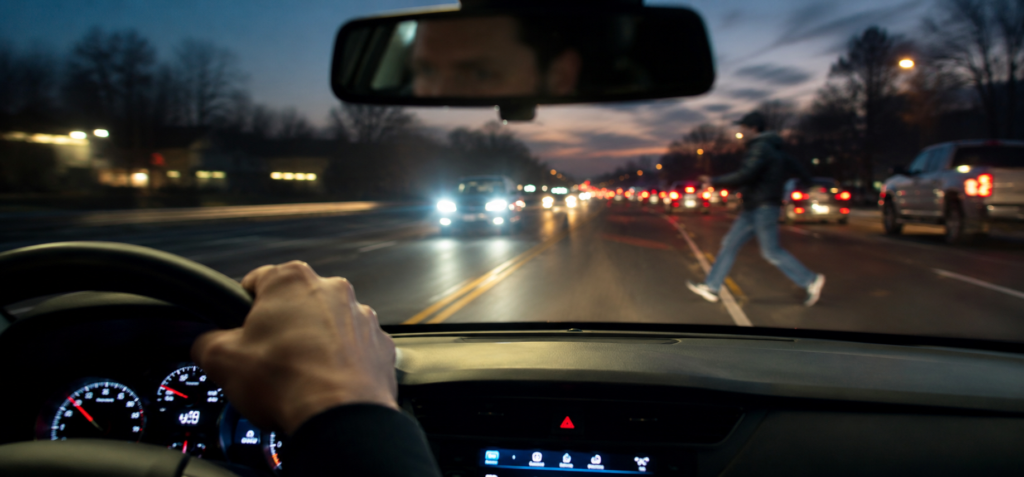
Before a driver can avoid a crash, they must first recognize danger. That may mean noticing brake lights, a red light, a pedestrian in a crosswalk, a cyclist in the lane, or a vehicle slowing ahead.
An impaired driver may take longer to process what they are seeing. Their eyes may be open, but their brain may not respond quickly enough. That small delay can remove the time needed to brake, steer, or stop safely.
Reaction Time Can Be the Difference
Safe driving depends on reaction time. A driver must see a hazard, understand it, decide what to do, and physically respond. Even a short delay can matter when vehicles are moving through traffic.
Alcohol, drugs, fatigue, and certain medications can slow this process. By the time the impaired driver presses the brake or turns the wheel, the crash may already be unavoidable. In many cases, the issue is not that the danger was hidden. It is that the driver responded too late.
Judgment Becomes Less Reliable
Impaired drivers may make risky choices without fully understanding the danger. They may speed, follow too closely, make sudden lane changes, run yellow lights, or assume they can “make it” through a gap in traffic.
Poor judgment can also affect whether the driver decides to drive at all. A person who is impaired may believe they are fine, even when their ability to drive safely is reduced. That false confidence can place everyone nearby at risk.
Braking May Come Too Late
Many impaired-driving crashes involve delayed braking. A driver may not slow for stopped traffic, a turning vehicle, a red light, or a pedestrian until the last moment. Sometimes there may be little or no braking before impact.
Skid marks, vehicle data, dashcam footage, witness statements, and crash reconstruction can help show whether the driver tried to stop. A lack of timely braking may support the argument that the driver was not paying attention or could not react properly.
Lane Control Can Break Down
Impairment can affect coordination and focus. A driver may drift out of the lane, cross the center line, ride onto the shoulder, or overcorrect after realizing they have moved too far.
Lane-control problems are especially dangerous near motorcycles, bicycles, pedestrians, and oncoming traffic. A small drift by an impaired driver can leave another person with no safe place to go. Road marks, vehicle positions, and witness accounts can help show how the vehicle moved before the crash.
Speed Feels Different to an Impaired Driver
Impaired drivers may misjudge speed and distance. They may not realize how fast they are traveling or how quickly they are approaching another vehicle. They may also misjudge how much space they need to stop.
This can lead to rear-end collisions, intersection crashes, and turns across oncoming traffic. Speed-related evidence may include event data, surveillance footage, vehicle damage, road marks, and witness statements.
Distraction and Impairment Can Combine
Impaired driving often becomes more dangerous when distraction is also involved. A driver who is under the influence may look at a phone, adjust music, talk to passengers, or lose focus for a few seconds.
Those few seconds can be enough to cause a serious collision. Phone records, vehicle data, dashcam video, and witness observations may help show whether the driver was both impaired and distracted before impact.
Nighttime Driving Can Increase the Danger
Many impaired-driving crashes happen at night or during early morning hours, when visibility may be lower and drivers may be tired. Impairment can make it harder to respond to headlights, signals, pedestrians, lane markings, and changing traffic conditions.
Dark roads, glare, rain, or poor lighting may create added risk. But those conditions do not excuse impaired driving. Drivers must remain sober, alert, and cautious enough to adjust to the road in front of them.
Police Evidence Can Be Important
After a suspected impaired-driving crash, police may document observations about the driver’s behavior. Reports may mention odor of alcohol, slurred speech, red eyes, confusion, balance problems, admissions, field sobriety testing, or chemical testing.
Police records can help support the claim, but they may not tell the whole story. Additional evidence may still be needed to show how the impairment caused the crash and how the collision injured the victim.
Bar or Social Host Details May Matter
In some cases, the investigation may look at where the driver drank or obtained alcohol before the crash. Receipts, surveillance video, witness statements, rideshare records, and credit card records may help show the driver’s activity before getting behind the wheel.
These details can help explain the timeline of impairment. They may also reveal whether other parties should be investigated, depending on the facts and applicable law.
Victims May Also Face Emotional Trauma
Being injured by an impaired driver can create anger, fear, anxiety, and frustration. Victims may struggle with the knowledge that the crash could have been avoided if the driver had made a safer choice.
Emotional trauma may appear as sleep problems, fear of driving, panic in traffic, mood changes, or difficulty concentrating. Counseling records, personal notes, and family observations can help show how the crash affected daily life.
When Lost Seconds Change Everything
Impaired driving turns small traffic moments into serious hazards. A driver who loses even a few seconds of awareness, judgment, or reaction time may fail to avoid a crash that a sober driver could have prevented.
A strong investigation should look at the driver’s condition, braking, speed, lane position, police findings, witness accounts, video footage, and medical records. When impairment steals the seconds needed to stop, steer, or yield, the consequences can last far beyond the moment of impac