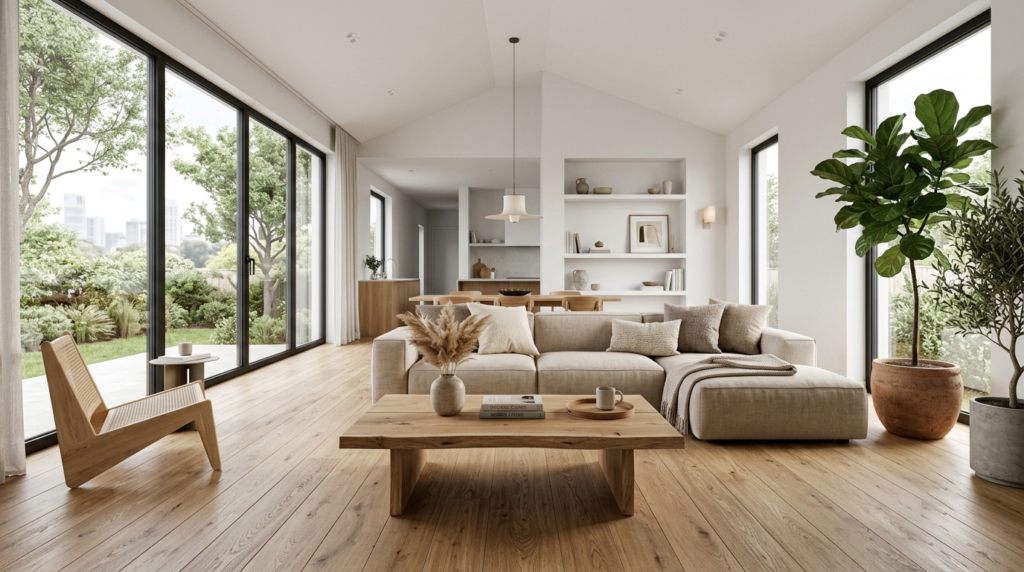
Flooring has become one of the biggest investments in modern home renovation. Beyond choosing a color or material, homeowners are paying more attention to durability, sustainability, maintenance, and how flooring connects different living spaces.
According to remodeling professionals, one of the most common renovation mistakes is selecting flooring before having a clear vision of the entire space. A flooring sample may look beautiful in a showroom but feel completely different once it’s installed under natural lighting or paired with existing furniture.
That’s why more homeowners are planning their flooring digitally before making a purchase. Visualizing different materials in advance reduces uncertainty, minimizes expensive changes, and leads to better design decisions.
Here are five flooring trends shaping residential renovations in 2026.
Warm Wood Tones Are Replacing Cool Gray Floors
For years, cool gray flooring dominated modern interiors. While it remains a popular option in some contemporary homes, warmer natural tones are becoming the preferred choice for many homeowners.
White oak, light walnut, honey maple, and natural wood finishes create interiors that feel brighter, more welcoming, and easier to pair with different furniture styles. These colors also age better as design trends evolve, making them a safer long-term investment.
Before committing to a material, many homeowners now compare several flooring options digitally using a Floor Design platform. Seeing how different colors interact with wall paint, lighting, and furniture often prevents costly renovation mistakes that are difficult to fix later.

Large-Format Flooring Makes Rooms Feel Bigger
Whether it’s porcelain tile, luxury vinyl plank, or engineered hardwood, larger flooring formats continue to gain popularity.
Fewer seams create a cleaner visual flow, making both small apartments and larger homes appear more spacious. Large-format flooring also requires less grout maintenance and provides a modern, seamless appearance that’s increasingly favored by interior designers.
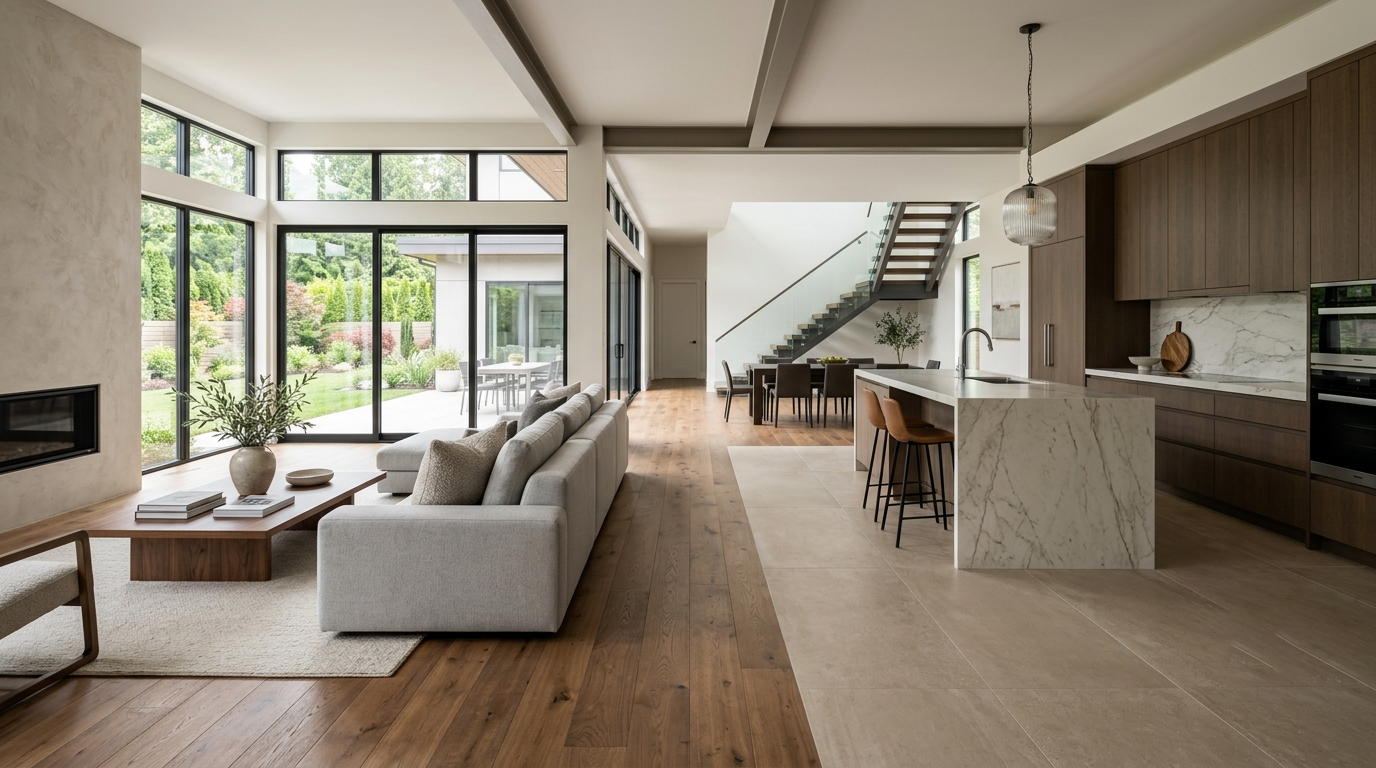
This trend is particularly common in open-concept kitchens, living rooms, and dining areas where continuous flooring helps connect multiple functional spaces.
Sustainability Is Now Part of Every Renovation Decision
Environmental awareness is influencing almost every aspect of home improvement, including flooring.
Many homeowners now consider not only appearance but also how materials are sourced and manufactured. Bamboo, cork, recycled wood products, and certified hardwood flooring continue to gain popularity because they combine attractive finishes with lower environmental impact.
At the same time, manufacturers are introducing more low-VOC products that improve indoor air quality while maintaining durability for busy households.
Choosing sustainable flooring isn’t simply about following a trend—it often provides long-term value through better product quality and healthier living environments.
AI Is Changing How People Plan Renovations
One of the biggest changes in home renovation isn’t a flooring material—it’s the planning process itself.
Instead of relying only on sketches or paper measurements, homeowners can now build digital layouts before purchasing materials. This makes it easier to estimate flooring quantities, organize furniture placement, and compare different renovation ideas without expensive trial and error.
Using an AI Floor Plan Generator early in the planning stage allows homeowners to visualize room layouts in minutes, helping them make more informed decisions before construction even begins. For larger renovation projects, this often results in fewer design revisions and better budget control.
Professional designers have used digital planning tools for years, but AI is making similar capabilities accessible to homeowners without requiring specialized software or technical experience.
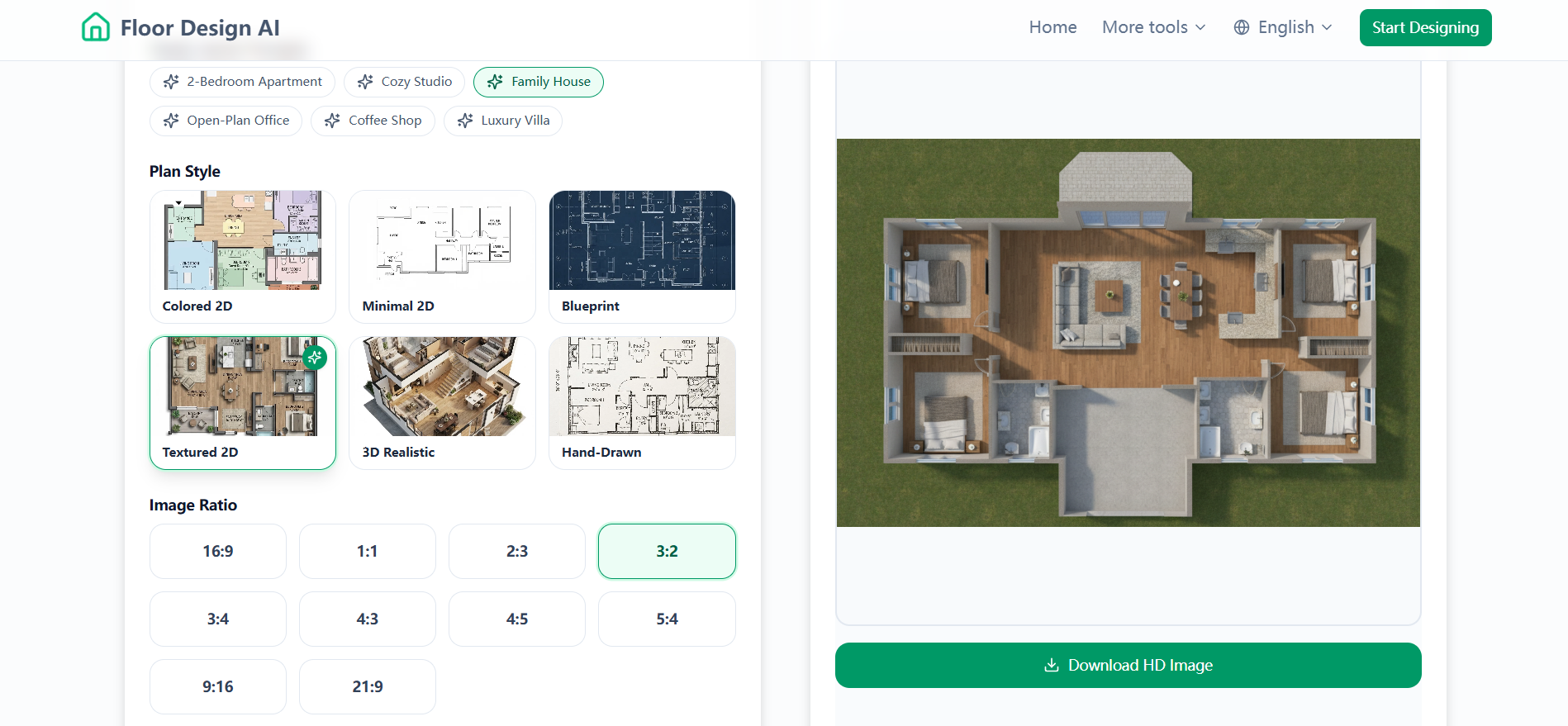
Mixing Flooring Materials Creates More Functional Homes
Rather than installing one flooring material throughout an entire house, homeowners are increasingly selecting materials based on how each room is used.
For example:
- Hardwood for living rooms and bedrooms
- Waterproof luxury vinyl for kitchens
- Porcelain tile for bathrooms and laundry rooms
- Soft carpet for children’s play areas
The challenge is ensuring these materials transition naturally from one space to another.
Planning the complete layout before installation helps create a balanced appearance while maintaining functionality. It’s also easier to estimate costs and avoid purchasing unnecessary materials when every room has already been mapped out.
Final Thoughts
Flooring is no longer just a finishing touch—it’s a decision that influences how a home looks, feels, and functions for years to come.
The strongest flooring trends in 2026 combine timeless materials with smarter planning. Warm natural finishes, sustainable products, larger flooring formats, and AI-powered design tools are helping homeowners renovate with greater confidence.
Whether you’re updating a single room or remodeling an entire house, investing a little more time in planning before installation can reduce unexpected costs, improve design consistency, and make every flooring decision easier.