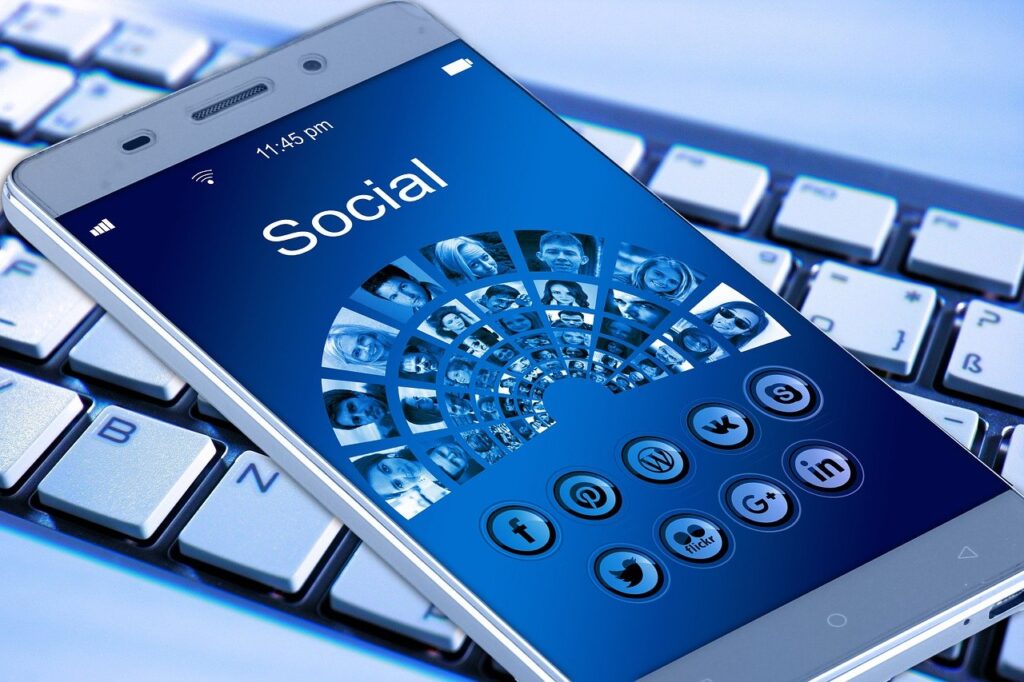
Social media has become a huge part of our lives one way or the other. The fact that more than 80% of the people on this planet have access to the internet is proof of it. Over the past few years, social media platforms like Facebook, Instagram, etc. have evolved because user behavior keeps changing. For example, a few years back, people were more than happy just to receive a few likes and comments on their posts but now the same people are using these sites to get information, to share tips, and to even grow their businesses. In a nutshell, these platforms have become more important than they ever were because using them now benefits people. From renowned companies to huge automotive and food manufacturing companies, everyone is now using these sites to actively communicate with their users. In fact, some brands have even switched their focus from their websites to their social media business pages because that’s where their audience is. It’s all just changing so fast that one becomes curious about what will happen next? Will people completely move into virtual reality or will all these sites come to an end and people will lose interest in them? Let’s discuss what the futurology guru, Jason Hope, thinks about it!
1) Social Networks Helping Businesses Grow
Jason Hope thinks that the role of social media has now become more important than ever, especially due to the fact that it’s now helping businesses grow. Who in the world ever thought that these sites will help companies make direct sales? But it’s happening around and almost everyone is doing it right now. As per research, users trust social sales and they are willing to buy anything through Whatsapp or Instagram. Let’s take Instagram as an example here.
All people care about is the number of followers an Instagram business page has. The more the followers, the more trust these people put into these pages and ultimately they end up buying their desired products. Now when you compare this with a business website, you won’t get such massive direct sales because people can’t see any number of followers or check any likes or comments. All they have are some online reviews to rely on when buying from a website. Jason Hope thinks that this entire process pretty much explains why businesses have now shifted their focus on their social presence instead of their websites and their actual physical presence.
2) The Entertainment Game Is Stronger Than Ever
Social media sites were once used to find old friends and interact with them online. However, now things aren’t the same anymore and these sites are growing stronger than ever because of the new added features and functions to keep their audience entertained. As per research, an average user spends around 2 hours and 45 minutes on social media every single day. Now, this pretty much explains the fact that people use Facebook, Instagram, Twitter, etc. for entertainment purposes. On top of that, people prefer heading to the same sites for information purposes because they know how news spreads like fire on these platforms.
Hope thinks that as these platforms are providing people both entertainment and information, they are growing stronger and their future looks quite bright. Look around and you’ll see almost every other person scrolling through his newsfeed or tapping on their Instagram posts. In fact, Facebook and Instagram are the first things some people check right after they wake up. All of this explains that social media has a stronghold on people and as per the current condition, it doesn’t look like it will stop anytime soon.
3) The Role Of Mobile Devices
Research shows that 91% of internet users like to access social media through their mobile phones. This works well in the favor of marketers as almost all social media platforms now have an ad format for mobile apps. Marketers now evaluate that their profits depend a lot on customer loyalty which is why they’ve shifted their focus from working on leading pages to forming communities of loyal customers. Jason Hope suggests that for a business to grow, a mobile app targeted ads and strong social media presences are more important than trying to increase website traffic.
It goes without saying that more than 80% of people who have access to the internet spend most of their time using social media apps instead of visiting websites. This has changed everything for businesses and again, social media is of more help to them in reaching out to their customers than anything else on the internet.
Jason Hope’s Thoughts On The Largest Social Media Platform – Facebook
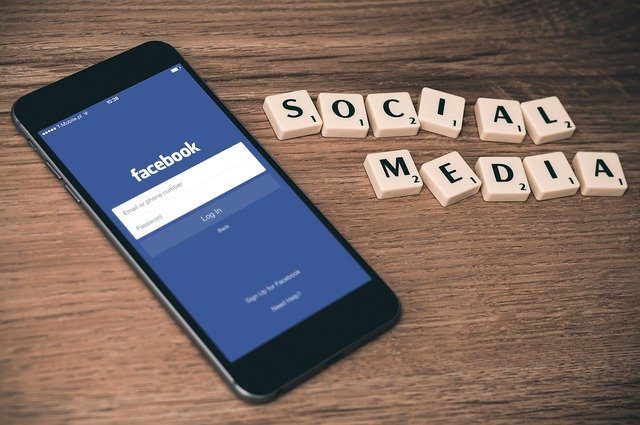
While we are on the topic of social media networks and what their future looks like, Jason has some thoughts on Facebook too, and whether or not it’s dying. The guru thinks that Facebook isn’t really dying but it sure is losing its charm with time. He further elaborates that this had to happen sometime because people are now kind of losing interest in Facebook and they are heading more towards using other social apps like Instagram, Twitter, etc.
As per Jason Hope, two reasons why Facebook is losing the popularity it once had are; Gen Z doesn’t really care much and people have trust issues when it comes to Facebook. After the massive data leak scandal of Facebook, people became really concerned about their privacy and whether or not they could trust using Facebook. Especially Gen Z wants a platform that’s secure and doesn’t leak their data or record everything they do or say. Moreover, Facebook needs to add some new exciting features for the users to gain its popularity back or else things won’t work out. Jason further suggests that if Zuckerberg can come up with some strategy to gain the trust of his users back, Facebook can again lead the social media world but for now, people are leaving this platform and they’ve started spending more time on other apps that are taking the lead.
Final Word from Jason Hope

Social media platforms have now become more than just communication technologies or some information intermediaries. It’s now a whole world and people are joining it at the pace of a skyrocket. As of now, the future of social media looks quite bright because it’s offering a lot more than what people thought. As far as the question of which app is more popular is concerned, Jason Hope says, we can’t really name one app right now. The market is changing, user behavior is changing and so are these applications. For now, we’ve got our fingers crossed and all we can do is, hope for the best!