A metal garage is one of the most durable and versatile additions you can make to your property. Whether you use it to protect your vehicles, complete DIY projects, or run a small business, keeping the space comfortable throughout the year makes it even more valuable. One of the best ways to improve your garage is by adding proper insulation.
Insulation helps regulate indoor temperatures, reduces energy costs, and minimizes moisture issues that are common in metal buildings. Many metal garage builders recommend planning insulation from the beginning of the project, but it can also be added to an existing garage with the right approach.
Here’s what you should know before insulating your metal garage.
Why Insulation Matters
Metal is incredibly strong, but it also transfers heat and cold more easily than many other building materials. Without insulation, your garage can become extremely hot during the summer and uncomfortably cold in the winter.
Adding insulation creates a barrier that helps maintain a more consistent indoor temperature. It also makes the space quieter by reducing outside noise from wind, rain, and traffic.
If you spend time working in your garage throughout the year, proper insulation can make a noticeable difference in both comfort and energy efficiency.
Choose the Right Type of Insulation
Several insulation options work well for metal garages. The right choice depends on your budget, climate, and how you plan to use the building.
Fiberglass Batts
Fiberglass insulation is one of the most common and affordable options. It’s often installed between framing members and works well when the garage has finished interior walls.
This type of insulation provides good thermal performance and is widely available, making it a popular choice for many homeowners.
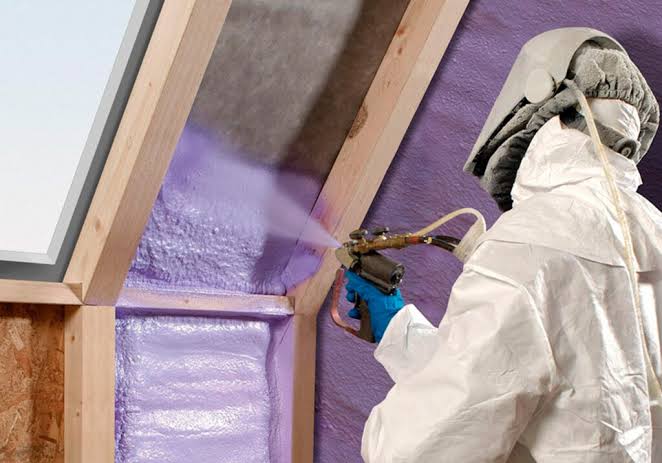
Spray Foam Insulation
Spray foam insulation offers excellent energy efficiency because it expands to fill small gaps and cracks.
It creates an effective air seal that helps reduce drafts while also limiting moisture intrusion. Although spray foam usually costs more upfront, many property owners appreciate its long-term energy savings and durability.
Rigid Foam Board
Rigid foam panels are another effective solution for metal garages. These panels provide consistent insulation and are often used on walls or ceilings where space is limited.
They can also help reduce heat transfer through the building envelope while adding another layer of protection against condensation.
Experienced metal garage builders can help you determine which insulation option works best for your specific garage and local climate.
Don’t Forget the Roof
Many people focus only on insulating the walls, but the roof is equally important.
Heat naturally rises, which means an uninsulated roof can allow significant heat loss during winter while creating excessive heat buildup during the summer.
Proper roof insulation helps maintain a comfortable interior temperature while improving the overall energy efficiency of the garage.
Control Moisture and Condensation
Condensation is one of the biggest concerns with metal buildings.
When warm, humid air meets cool steel panels, moisture can form inside the building. Over time, this can lead to water damage, mold growth, and rust on stored equipment or tools.
Installing a vapor barrier along with quality insulation helps reduce condensation by limiting the amount of moisture that reaches the metal surfaces.
Good ventilation is also essential. Ridge vents, soffit vents, or mechanical ventilation systems help improve airflow and reduce excess humidity inside the garage.
Seal Air Leaks
Even the best insulation won’t perform well if outside air can easily enter the building.
Check around garage doors, windows, entry doors, and any utility openings for gaps where air can escape.
Weather stripping, caulking, and quality door seals help improve energy efficiency while keeping dust, moisture, and pests outside where they belong.
Small improvements in air sealing often make a noticeable difference in overall comfort.
Consider Heating and Cooling
Once your garage is properly insulated, you’ll be able to heat or cool it much more efficiently.
Depending on how you use the space, you might consider:
- Mini-split heating and cooling systems
- Electric heaters
- Radiant floor heating
- Ceiling-mounted heaters
- Portable air conditioning units
Because insulation reduces heat transfer, these systems won’t have to work as hard to maintain comfortable temperatures.
Plan Ahead During Construction
If you’re building a new garage, adding insulation during construction is often easier and more cost-effective than installing it later.
Professional metal garage builders can design the structure with insulation, ventilation, and vapor barriers already included. This approach simplifies the construction process and helps avoid future remodeling expenses.
Planning ahead also allows you to include additional features like finished walls, upgraded electrical service, or climate control systems from the very beginning.
Enjoy Your Garage in Every Season
An insulated metal garage is much more than a place to park your vehicle. It becomes a comfortable workshop, storage area, hobby space, or home business location that you can enjoy throughout the year.
Whether you’re protecting valuable equipment or simply creating a more pleasant place to work, proper insulation is one of the smartest upgrades you can make.