The demand for precious metals has sharply increased over the last few decades, as a rising number of people have been on the lookout for a safe investment method, offering low risks and providing returns for the investor. Precious metals such as gold and silver are amongst the market’s top choices, due to their nature of preserving monetary value even in moments of economic uncertainty, as well as their unique tangibility.
When talking about how to invest in silver bullion there are a few options that, given the proper explanation, can adjust to your specific investment needs and priorities. All while at the same time familiarizing any potential new investor to the precious metal market, specifically to silver products.
Coins
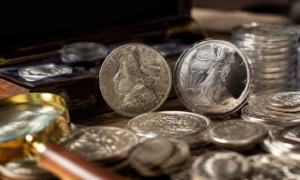
Silver, when minted by a sovereign government institution, usually comes in the form of coins. Bringing about factors such as legal tender and an assigned face value, silver coins also encompass several other key aspects that are fundamental to landing on a decision for investment.
Since backed by a government mint, silver coins bestow the highest standards for quality and purity in the market, though the private initiative does not fall short as well on delivering silver products that give a run for their money. On the same note, such coins present the latest techniques and heavier punishments against counterfeiting measures, given their national coinage status.
Government-minted silver coins, furthermore, are one of the investment vehicles with the highest demand there is. This translates to them being highly liquid in nature, allowing buyers and investors to not spend too much time worrying about selling them in the future. Likewise, even though their face value is far beneath the cost of silver in the coin, silver coins offer a guarantee: no investor’s expenditure will ever amount to zero, in the event of the unlikeliest of scenarios.
Rounds
Should a collector opt for acquiring as much silver as possible with their available capital, silver rounds can be one of the primary solutions, that save money through products with a lower premium over spot. Private mints throughout America and the rest of the globe are notorious for presenting high-quality, fine silver products being traded at a price that brings more bang for your buck.
In general, private-minted silver rounds bestow upon themselves a reduced premium over the spot in the silver market, when compared to national, government-minted silver coins. This makes for an opportunity to increase one’s holdings through tangible assets, all while keeping a minimal financial investment.
Along with their low premium, silver rounds also bring about some of the market’s most sought-after designs, with a range of options that are reminiscent of other sovereign coins or even exclusive to their round nature. On the whole, allied with their availability, since silver rounds are constantly struck with popular designs and images (when not talking about limited, one-time mintages), they are amongst the top picks when deciding how to invest in precious metals without spending too much.
Bars
Buying silver bars, by the same token as silver rounds, is generally more affordable to increase an investors’ silver stock holdings, due to their diversity of available sizes. A key aspect that makes silver investors choose bars instead of coins has to do with the quantity of silver relative to the amount spent. Silver bars have their price highly related to their silver content, as a result of their collectible value not being their leading selling point.
Likewise, buyers often turn to silver bars given their lower cost of silver per gram or ounce, due to the fact that they have a lower production cost. Moreover, as an added benefit, silver bars offer easier storage than coins or rounds when investing in large quantities, due to their stackability and compact nature.
In addition to their size having an impact on their premium, silver bars also may be affected by their mint of origin. Generally, products from sovereign, national mints carry an increased value, though bestowing more tradeable qualities. Private-minted bars can be less expensive, but if their brand carries low recognition you might get less than what you paid for when it’s time to sell.
Silver ETF
Exchange-traded funds, or ETFs, are considered an investment option for investors that choose not to acquire tangible, physical assets. While buying silver ETF units, the buyer should know that their price varies according to the silver market price much like coins, rounds, or bars. The best silver ETF traits involve the fact that they’re highly liquid and easily traded, even though only representing the physical ownership of tangible bullion metals. In short, investors can avoid certain risks of theft, while still accounting for their silver investment.
Premium Over Spot Comparison
As previously stated, certain silver products have an increased value than others, due to a difference in their premium over spot prices. In general, such difference is related to two main factors, the mintage of a product as well as its availability. National mints, in general, bestow upon their products a higher value, due to their trusted position and tradeable properties as sovereign mints, when compared to private-minted products, since they represent a government institution.
Moreover, sought-after mints, private or sovereign, can determine their premium according to their demand, which may increase and decrease in proportional measures. Generally, the higher the demand, the higher the premium.