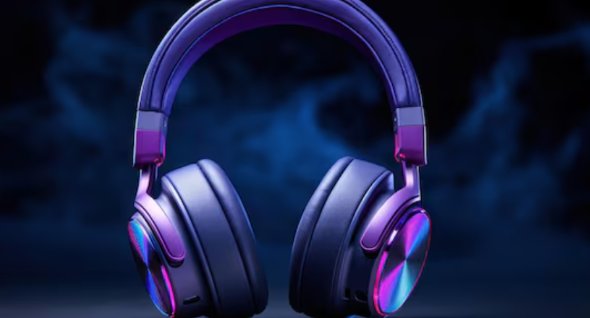
Audio technology has rapidly evolved in recent years, redefining our experiences with sound. At the forefront of this technological advancement are headphones—devices that have transformed from basic audio transmitters to sophisticated gadgets with a variety of features to cater to all kinds of users.
A Journey Through Time
Historically, headphones were simple devices, primarily used by professionals in fields like telecommunication and broadcasting. Today, they serve diverse functions across numerous sectors. From leisurely music listening to professional audio production, the adaptation and advancement of headphones have made them indispensable.
Early models were predominantly large and cumbersome. They delivered mono sound and lacked the comfort and convenience users expect today. As technology progressed, so did the design and functionality of headphones. The transition from mono to stereo sound offered a more immersive listening experience, laying the groundwork for further innovations.
Technological Advancements
In recent years, the development of wireless technology has revolutionised how we perceive and utilise headphones. Bluetooth technology, in particular, has eliminated the need for cords, allowing for greater freedom of movement. Wireless headphones are now preferred by many for their convenience and versatility.
Noise-cancelling technology represents another groundbreaking advancement. By using active noise control, these headphones can significantly reduce unwanted ambient sounds, creating an isolated listening environment. This technology has been a game-changer for travellers, commuters, and those who require focus in noisy settings.
The Impact on Lifestyle
The proliferation of personal audio devices has not only influenced our listening habits but has also had broader social and cultural ramifications. The discreet nature of headphones allows individuals to create private listening spaces in public, bridging the gap between personal and shared environments.
With the increasing popularity of fitness and wellness activities, headphones designed for athletic use have surged. These models are often lightweight, sweat-resistant, and equipped with secure-fit options to cater to active users. The ability to listen to music or podcasts while exercising has changed not just workout routines, but also attitudes towards fitness, making it more appealing and personalised.
Headphones for Professional Use
Professionals in fields such as music production, broadcasting, and gaming have specific requirements that dictate their choice of headphones. For music producers, sound quality is of utmost importance. Studio headphones that offer a flat frequency response are favoured as they provide the most accurate representation of audio, essential for mixing and mastering tracks.
Broadcasters require headphones that offer clarity and comfort, especially during long recording sessions. Meanwhile, gamers often opt for headphones with surround sound capabilities to enhance their immersive experience, allowing them to detect in-game audio cues with precision.
Health Implications and User Responsibility
While enjoying the benefits of advanced audio accessories, users should also be aware of the potential health implications. Prolonged exposure to high sound levels can lead to hearing impairment. To mitigate these risks, responsible use is crucial. It is recommended to listen at moderate volumes and take regular breaks to protect auditory health.
Furthermore, the use of open-back headphones, which allow some sound to escape, can be a more ear-friendly option for extended listening sessions. They help maintain sound quality without completely isolating the user from ambient noise, reducing the risk of damage due to high volume.
Environmental and Economic Considerations
The production and disposal of electronic devices like headphones have environmental consequences. The industry is increasingly focusing on sustainable practices, including eco-friendly materials and recycling initiatives. Consumers are encouraged to consider the environmental impact of their purchases and support brands that prioritise sustainability.
Economically, the headphone market continues to thrive. The demand for new and innovative audio solutions drives research and development, leading to technological breakthroughs and the introduction of new products. This dynamic market not only fuels job creation within the tech sector but also influences related industries, such as entertainment and telecommunications.
Personalisation and Customisation
Today’s consumers have the opportunity to personalise their audio experience more than ever before. Customisable features such as equaliser settings, colour choices, and fit preferences allow users to tailor headphones to match their individual tastes and requirements.
Moreover, advancements in technology have enabled the development of smart headphones, equipped with features like voice assistants and gesture controls, offering users a seamless integration of audio technology into their daily lives. The trend towards increased personalisation reflects a broader shift in consumer expectations, where functionality and personal expression go hand-in-hand.
Future Prospects
The future of headphones looks promising, with ongoing research into improving audio fidelity, battery life, and overall user experience. As technology continues to advance, we can anticipate further innovations such as biometric monitoring capabilities, which may revolutionise how we interact with and perceive audio devices.
Artificial intelligence and machine learning are poised to play significant roles in the next generation of audio devices. These technologies could enhance user experience by predicting preferences and adapting sound output accordingly. As these innovations emerge, they offer tantalising possibilities for both consumers and producers within the rapidly evolving audio industry.
In conclusion, the trajectory of headphones from rudimentary audio devices to sophisticated gadgets reflects broader technological trends and societal shifts. Their evolution continues to impact lifestyle, professional environments, and the global economy, reaffirming their role as crucial components of modern life.