Arbitrum remains one of Ethereum’s most important layer-two networks, and ARB has recovered toward $0.22 as traders revisit scaling and tokenized-asset narratives. Lower fees and a deep application ecosystem keep the network relevant, yet the token must still overcome competition and supply dynamics before a lasting breakout is secured.
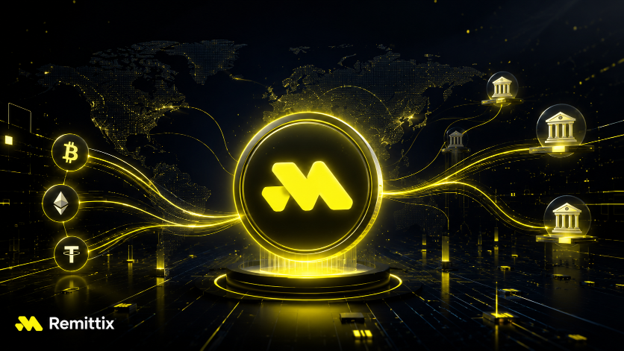
Remittix is not an Ethereum layer two, but it competes for the same growth capital by offering a direct bridge between blockchain assets and everyday finance. Its final presale stage is set at $0.46 while the current RTX price remains $0.21. That earlier entry, supported by a multi-product ecosystem, could make it the more aggressive opportunity.
ARB Remains a Leading Ethereum Scaling Play
Arbitrum helps users access Ethereum-compatible applications with faster execution and lower costs than mainnet. Its DeFi base, developer activity and growing exposure to tokenized real-world assets provide substance behind the ARB investment case. Recent price strength suggests the market is again rewarding that infrastructure.
Token economics still complicate the picture. ARB has to absorb circulating supply and unlock-related pressure while competing with Optimism, Base and other rollups for activity. A hold above the recent breakout area could keep recovery targets in play, but public-market buyers are entering an established asset whose future gains depend on both network use and value capture by the token.
Remittix Connects Trading, Payments, Wallet and Earn
Remittix is built around a broader retail journey. Its PayFi system aims to convert crypto into fiat delivered to supported bank accounts, opening potential use cases across international payroll, merchant settlement, family transfers and remote-work income.
Remittix Markets adds an active trading layer with hundreds of perpetual pairs and millions in reported volume. The project also has an iOS wallet with more than 10,000 reported downloads, an Android version planned and an Earn product in final testing with advertised returns of up to 22% APY on selected assets.
The planned wallet rebuild is intended to place these features inside one interface. Instead of asking users to choose between an exchange, payment service, wallet and yield platform, Remittix wants RTX to sit at the centre of a unified DeFi hub.
RTX Offers the Pre-Launch Asymmetry ARB Cannot
The Remittix presale has crossed $32 million and attracted more than 40,000 reported participants. RTX is scheduled to launch on 24 November 2026, while a $36 million hard cap limits the remaining runway. This gives buyers a measurable opportunity window rather than an undefined wait.
The pricing needs to be stated accurately: $0.21 is the current presale price, and $0.46 is the final-stage price. That progression creates an incentive for buyers who believe completed milestones and approaching exchange access could lift demand before launch.
ARB may be the clearer choice for investors specifically seeking Ethereum scaling exposure. Remittix serves a different objective: earlier participation in a payments-and-trading ecosystem before its token receives public-market distribution. If PayFi evolves into a major crypto category, RTX could benefit from being one of the few projects entering launch with live products, community testing and a date already fixed. That is why Remittix may command more attention from buyers hunting for expansion rather than simply another layer-two recovery.
Discover the future of PayFi with Remittix by checking out their project here:
Website: https://remittixpresale.io
X: https://x.com/remittix
Frequently Asked Questions
Is Remittix an Ethereum layer-two network?
No. Remittix is a PayFi and crypto-finance ecosystem, while Arbitrum is an Ethereum scaling network.
What is ARB’s main investment case?
ARB offers exposure to a leading rollup ecosystem with lower-cost Ethereum execution, DeFi activity and tokenized assets.
Why could RTX appeal to growth-focused buyers?
RTX remains in presale before a confirmed launch, giving buyers earlier exposure to several live and planned products.
Disclaimer:
This article is for informational purposes only and does not constitute financial advice. Cryptocurrency investments carry risk, including total loss of capital.
All market analysis and token data are for informational purposes only and do not constitute financial advice. Readers should conduct independent research and consult licensed advisors before investing.
Crypto Press Release Distribution by BTCPressWire.com