In today’s fast-paced business world, supply chain management plays a crucial role in the success of any enterprise. Companies are constantly seeking innovative solutions to enhance efficiency, reduce costs, and ensure transparency throughout their supply chains. One such solution that has been gaining traction is VeChain (VET), a blockchain platform that offers a range of business applications tailored specifically for supply chain management. In this blog post, we’ll delve into the various business applications of VeChain (VET) and how they are transforming the way businesses manage their supply chains. More Information about VeChain and investing concepts can be found at Quantum Pulse 360, a premium link between investors and educational firms.
Understanding VeChain
VeChain is a blockchain platform that was founded with the aim of revolutionizing supply chain management and business processes. It utilizes blockchain technology to create a transparent and tamper-proof ledger that tracks the movement of products and verifies their authenticity throughout the supply chain. Launched in 2015 by Sunny Lu, VeChain has since emerged as a leading solution for businesses looking to optimize their supply chain operations.
Key Features of VeChain
- Immutable Ledger: VeChain employs blockchain technology to create an immutable ledger that records every transaction and interaction within the supply chain. This ensures that data remains secure and transparent, allowing businesses to track the provenance and authenticity of their products at every stage of the supply chain.
- Smart Contracts: VeChain supports the use of smart contracts, which are self-executing contracts with predefined conditions and actions. These smart contracts automate various aspects of supply chain management, such as inventory management, payment processing, and compliance verification, thereby streamlining operations and reducing the need for manual intervention.
- Tokenization: VeChain allows for the tokenization of assets, enabling businesses to represent physical products or assets as digital tokens on the blockchain. These tokens can be tracked and traded securely, facilitating the transfer of ownership and enabling new business models such as fractional ownership and asset-backed securities.
- Decentralized Governance: VeChain operates on a decentralized network governed by a community of stakeholders, including node operators, developers, and business partners. This decentralized governance model ensures that no single entity has control over the network, promoting fairness, transparency, and inclusivity.
Business Applications of VeChain in Supply Chain Management
VeChain (VET) offers a wide range of business applications that can help streamline supply chain management for businesses across various industries. Let’s explore some of the key applications:
Product Traceability – One of the primary benefits of VeChain is its ability to provide end-to-end traceability of products throughout the supply chain. By assigning a unique digital ID to each product, businesses can track its journey from raw materials to finished goods. This not only helps in identifying and addressing issues such as counterfeiting and product recalls but also enhances transparency and trust among consumers.
Quality Control – VeChain enables businesses to implement robust quality control measures throughout the supply chain. Smart contracts can automatically verify the quality and authenticity of products based on predefined criteria, ensuring compliance with industry standards and regulations. This helps in maintaining product integrity and reducing the risk of counterfeit or substandard goods entering the market.
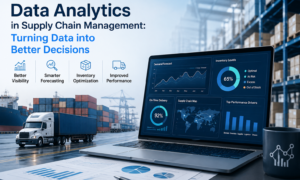
Supply Chain Optimization – By providing real-time visibility into inventory levels, shipment status, and production processes, VeChain helps businesses optimize their supply chain operations. Data analytics and machine learning algorithms can be leveraged to identify inefficiencies, anticipate demand fluctuations, and optimize resource allocation, thereby improving overall efficiency and reducing costs.
Counterfeit Prevention – Counterfeiting is a significant issue in many industries, leading to revenue loss and damage to brand reputation. VeChain helps combat counterfeiting by providing tamper-proof and verifiable product authentication solutions. By integrating NFC chips, QR codes, or RFID tags with the VeChain blockchain, businesses can ensure the authenticity of their products and protect their brand reputation.
The Future of VeChain
As blockchain technology continues to evolve and gain widespread adoption, the potential applications of VeChain (VET) in supply chain management are vast. With its innovative features and growing ecosystem of partners and developers, VeChain is well-positioned to drive innovation and transformation in the global supply chain industry.
Conclusion
In conclusion, VeChain (VET) offers a range of business applications that can help streamline supply chain management and drive business success. By leveraging blockchain technology to enhance transparency, traceability, and efficiency, VeChain is empowering businesses to optimize their supply chain operations and build trust with consumers. Embrace the power of VeChain (VET) and embark on a journey towards optimized supply chain management. With its user-friendly interface, advanced features, and real-world applications, VeChain is the key to unlocking new opportunities and driving business growth in today’s dynamic marketplace.
Disclaimer: This is promotional marketing content. The presented material by no means represents any financial advice or promotion. Be sure to research and acknowledge the possible risks before using the service of any trading platform.