
Protecting Your Automotive Investment: How PPF and Ceramic Coating Help Preserve Vehicle Value

Protecting Your Automotive Investment: How PPF and Ceramic Coating Help Preserve Vehicle Value
For most consumers, purchasing a vehicle represents one of their largest financial commitments. Whether it’s a luxury sedan, performance sports car, electric vehicle, or family SUV, the purchase price is only the beginning of the ownership journey.
Insurance, maintenance, depreciation, and repairs all contribute to the total cost of owning a car. Yet one important aspect of vehicle maintenance is frequently overlooked: preserving the original paintwork.
Modern automotive technologies such as paint protection film (PPF), ceramic coating, and professional paint correction are changing how owners approach exterior vehicle care.
Rather than simply focusing on appearance, these services can be viewed as preventive maintenance strategies designed to reduce avoidable cosmetic damage, help preserve a vehicle’s condition, and potentially limit certain repair expenses.
The Hidden Cost of Vehicle Depreciation
Depreciation is one of the largest costs associated with vehicle ownership.
A car begins losing value as it ages, although the rate varies depending on the manufacturer, model, mileage, market demand, and overall condition.
While mechanical reliability and maintenance records remain essential, exterior appearance also influences how prospective buyers evaluate a used vehicle.
Stone chips, scratches, faded paint, and visible signs of neglect can make a vehicle less attractive, particularly when buyers are comparing similar models.
This becomes especially relevant for premium vehicles, where specialized paint finishes and body repairs can be costly.
Preserving the original factory finish may help owners avoid unnecessary refinishing work and maintain the vehicle’s visual appeal over time.
Although protective treatments cannot stop depreciation, they offer owners additional control over some aspects of cosmetic deterioration.
Paint Protection Film: A Technology-Driven Approach to Preventive Maintenance
One of the most effective modern solutions for reducing certain types of physical paint damage is paint protection film.
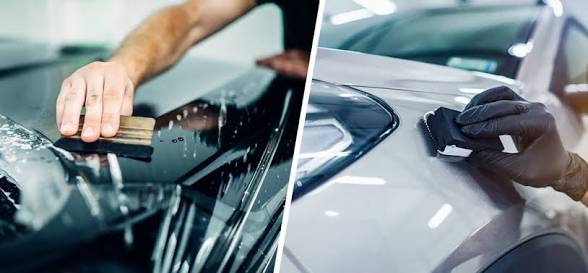
Commonly known as PPF, this transparent polyurethane-based material is applied to painted vehicle surfaces to create a protective barrier.
Unlike conventional wax or liquid coatings, PPF adds a physical layer that can absorb some minor impacts and resist certain abrasions before they reach the factory paint.
Modern premium films may incorporate advanced technologies, including:
- Self-healing topcoats that can reduce the appearance of eligible light surface marks when exposed to heat.
- Optical clarity designed to preserve the appearance of the original paint.
- Resistance to certain environmental contaminants and surface staining.
- Flexible materials engineered to conform to complex automotive body panels.
High-impact areas such as the front bumper, hood, fenders, and side mirrors are particularly suitable for protection.
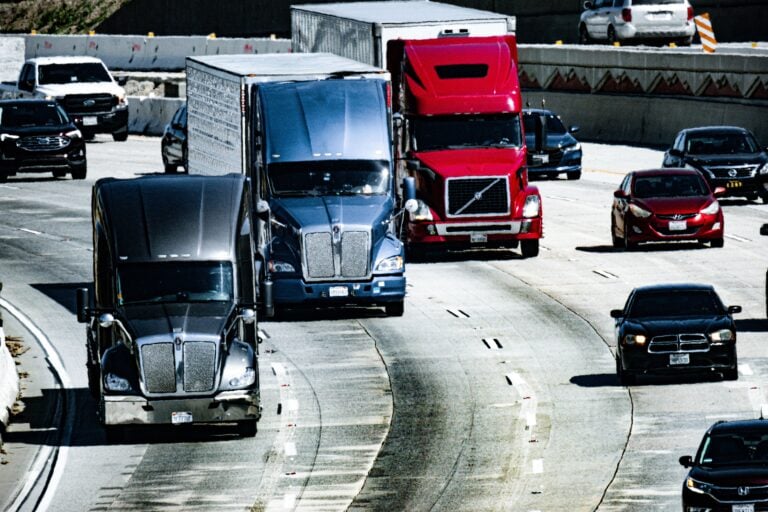
For drivers who regularly travel on highways or roads affected by construction, these areas face repeated exposure to loose stones, gravel, and road debris.
From a financial perspective, strategically protecting vulnerable panels may help reduce the likelihood of certain cosmetic repairs.
However, PPF is not indestructible. Strong impacts, deep scratches, and improper maintenance can still damage the film or underlying paint.
Ceramic Coating: Advanced Surface Chemistry for Long-Term Maintenance
While PPF focuses primarily on physical protection, ceramic coatings offer a different set of advantages.
Modern ceramic coating formulations typically use silicon-based chemistry to create a bonded protective layer on appropriately prepared surfaces.
These coatings are engineered to improve surface characteristics such as water repellency, gloss, and resistance to certain environmental contaminants.
The hydrophobic effect encourages water to bead and move across the surface, which can help make routine cleaning easier.
For owners living in regions with harsh winters, road salt, pollution, or heavy construction activity, this can be particularly useful.
Vehicles frequently accumulate road grime, salt residue, and airborne contaminants that require careful removal.
A professionally applied ceramic coating can reduce the effort needed for some routine cleaning tasks, provided the coating is properly maintained.
Over several years of ownership, a more manageable cleaning routine may save time and encourage more consistent vehicle care.
Ceramic coatings also help preserve a glossy appearance, although their performance depends on product quality, preparation, installation, and maintenance.
Importantly, ceramic coating is not a substitute for paint protection film. It does not prevent stone chips or make automotive paint scratch-proof.
Why Paint Correction Matters Before Applying Protection
One of the most overlooked steps in protecting automotive paint is surface preparation.
Even relatively new vehicles can develop minor scratches, swirl marks, and paint imperfections during transportation, dealership preparation, or routine washing.
Applying a transparent coating over these defects does not necessarily eliminate their appearance.
Professional paint correction uses controlled machine polishing to reduce eligible imperfections in the upper paint surface and improve clarity.
The procedure may involve one or more polishing stages depending on paint condition, defect severity, and the desired finish.
For older vehicles, appropriate correction can improve the appearance of a finish that has become dull or visibly marred.
However, polishing removes a small amount of material from the surface, so aggressive or unnecessary correction should be avoided.
The objective is to achieve a suitable finish while preserving as much original paint protection as reasonably possible.
Once properly prepared, the surface can be protected using an appropriate coating or film system.
Combining PPF and Ceramic Coating for Comprehensive Protection
Rather than choosing between paint protection film and ceramic coating, some vehicle owners combine the two technologies.
This approach addresses different types of exterior wear.
PPF provides physical protection against certain impacts and abrasions, while ceramic coating offers improved water repellency and easier cleaning.
For example, an owner might install PPF on the front bumper, hood, and side mirrors while applying ceramic coating to the remaining painted panels.
A compatible ceramic coating may also be applied over certain paint protection films when permitted by the respective manufacturers.
This combination can be particularly appealing for premium vehicles, electric cars, and performance models that owners intend to maintain for extended periods.
However, comprehensive protection is not always the most economical choice.
Coverage should reflect the vehicle’s value, driving environment, expected ownership period, and the owner’s budget.
The Return on Investment: What Vehicle Owners Should Realistically Expect
When evaluating PPF and ceramic coating, an important question arises: do these services pay for themselves?
The answer depends on the individual vehicle and its circumstances.
Unlike a conventional financial investment, automotive paint protection does not produce income or guarantee appreciation.
Its potential economic benefits come from preserving existing condition, helping avoid some cosmetic repairs, and possibly improving the vehicle’s appeal when it is eventually sold.
Consider two otherwise similar used vehicles.
One has extensive stone chips, visible scratches, and neglected paint. The other retains a well-maintained factory finish with minimal cosmetic damage.
Prospective buyers may prefer the better-maintained vehicle, but the price difference will depend on market conditions and many other factors.
There is no reliable universal percentage by which PPF or ceramic coating increases resale value.
In some cases, the cost of installation could exceed any measurable resale benefit.
For owners who expect to keep a car for many years, however, the convenience of easier cleaning, reduced cosmetic wear, and continued enjoyment of its appearance may provide meaningful value beyond resale calculations.
Choosing the Right Protection Strategy
The most effective vehicle protection strategy is not necessarily the most expensive.
Owners should evaluate their needs based on driving habits and how long they intend to keep the vehicle.
A highway commuter may benefit from targeted PPF coverage on exposed front-facing panels.
An urban driver primarily concerned with routine cleaning and maintaining gloss may prefer ceramic coating.
Someone purchasing a high-value performance car might consider combining both services, particularly when preservation of the original finish is a priority.
Product warranties, installer experience, maintenance requirements, and the cost of future repairs or replacement should also be considered before making a decision.
Understanding these factors helps owners avoid unnecessary spending while selecting protection that matches their priorities.
The Future of Automotive Asset Protection
As vehicle technology advances, owners are increasingly considering maintenance solutions that extend beyond traditional servicing.
Developments in polymer films, surface chemistry, and installation techniques have created additional ways to protect automotive finishes.
Future improvements may further enhance film durability, stain resistance, optical clarity, and coating performance.
Nevertheless, even the most advanced protective products require proper care.
Regular washing, timely removal of contamination, and adherence to manufacturer maintenance instructions remain essential.
Ultimately, treating a vehicle as a valuable asset means considering both mechanical reliability and exterior condition.
PPF, ceramic coating, and paint correction are not guaranteed financial investments. They are practical tools that can help owners reduce certain forms of cosmetic deterioration and preserve the appearance of something they have already invested substantially in.
For many drivers, the goal is simple: protect the condition of the vehicle they own, minimize avoidable damage, and enjoy it for as long as possible.






Comment