
Every Truck Crash Has a Story but the Statistics Reveal Something Bigger

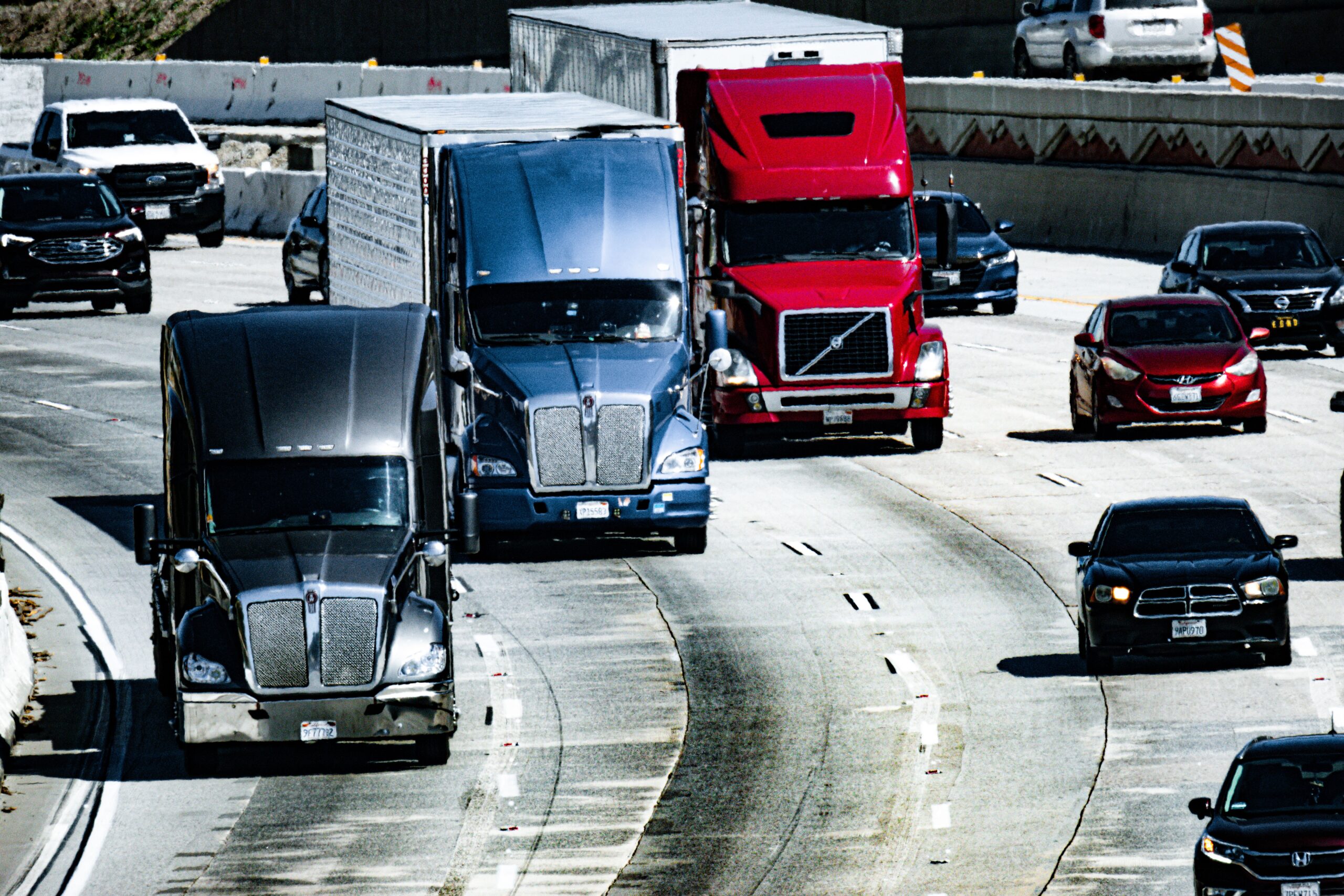
Every truck crash in Texas starts as a single story. A family on a road trip, a nurse driving home after a night shift, a trucker hauling freight across the state. For the people involved, it’s not data. It’s the day everything changed.
Headlines capture these stories one at a time. A bad wreck on the interstate makes the news, then fades as the next story takes over. Individually, each crash feels random, like a terrible accident nobody could have seen coming. Zoom out, though.
Put thousands of those crashes together, and patterns start to emerge. Certain roads, times, and behaviors show up again and again. Those patterns can point toward real solutions, helping drivers, companies, and policymakers make Texas highways safer for everyone. Patterns turn tragedy into lessons.
What Texas Truck Accident Numbers Actually Reveal
Official statistics on Texas truck crashes can show how often collisions involving commercial vehicles happen, how many lead to injuries, and how many turn fatal. Tracking those numbers over several years reveals whether things are getting better or worse.
Location data adds another layer. Crash reports can show which counties, highways, and stretches of road see the most truck-involved collisions. Time of day, weather, and lighting conditions may also be recorded, helping identify when risks tend to rise. The details sharpen the picture.
Reliable sources matter. The Texas Department of Transportation maintains crash records, and federal agencies also compile trucking data. Those official numbers offer a sturdier foundation than headlines or rough estimates, and current figures should always be checked before drawing conclusions. Old data can mislead.
Why Certain Texas Highways Present Greater Challenges
Freight traffic is a huge factor. Texas sits at the crossroads of major shipping routes, with goods moving to and from ports, the border, and other states. Corridors carrying heavy truck volume naturally see more interactions between big rigs and passenger cars.
Congestion and road design add pressure. Busy urban stretches can mix trucks with stop-and-go traffic, frequent merges, and construction zones. Narrow shoulders, short on-ramps, and complicated interchanges can leave little room for error when something goes wrong. Tight spaces amplify mistakes.
Speed differences and long distances matter too. Rural highways with high speed limits can create big gaps between fast-moving cars and slower trucks. Long-haul routes can mean hours of monotonous driving, which may increase fatigue risks. Each factor should be evaluated with actual evidence.
The Driving Behaviors Behind Serious Truck Collisions
Fatigue is a frequently examined factor in truck crashes. Long hours, irregular sleep, and tight delivery schedules can wear down even experienced drivers. Federal hours-of-service rules try to limit that risk, but compliance alone doesn’t guarantee a driver is truly rested.
Distraction and unsafe speeds show up too. Phones, dispatch devices, and other in-cab distractions can pull attention from the road. Driving too fast for conditions, especially in rain or heavy traffic, can make it nearly impossible to stop a loaded truck in time.
Following distance is another concern. Trucks need far more space to stop than cars, so tailgating can be especially dangerous. Still, documented findings have to be separated from assumptions. Each crash’s contributing factors should be determined by evidence, not stereotypes about truckers.
How Trucking Data Can Help Improve Road Safety
Transportation agencies use crash data to spot trouble areas. When certain interchanges or highway segments show repeated truck-involved collisions, engineers can study design changes, like better signage, longer merge lanes, or improved lighting, that might reduce the risk. Small fixes can matter.
Regulators rely on data too. Inspection results, crash records, and violation histories help identify carriers with safety problems. That information can guide enforcement efforts and encourage companies to fix issues before they lead to serious crashes. Accountability follows the numbers.
Trucking companies can use the same information internally. Tracking incidents, near misses, and driver behavior helps companies adjust training, schedules, and maintenance practices. When used well, reliable data turns hindsight into foresight, and that can save lives on Texas roads.
Conclusion
Every statistic represents a real person and a real family. Behind the numbers are injuries, losses, and lives turned upside down. That’s exactly why the data deserves careful attention and accurate interpretation. Numbers without context can mislead as easily as they inform.
Current, official Texas crash data can reveal patterns involving locations, behaviors, and conditions that individual headlines might miss. Interpreting those patterns honestly, without exaggeration or assumption, helps point toward meaningful safety improvements. Accuracy is a form of respect for the people behind each figure.
The numbers matter because people are behind them. For anyone hurt in a Texas truck crash, a qualified attorney can help investigate the specific facts, which always matter more than any statewide trend in an individual case.







Comment