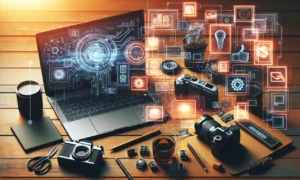
The technology available to firefighters has come a long way in recent years. Firefighters now have access to various tools and equipment that can help them do their jobs more effectively and safely. One of the essential pieces of technology for firefighters is the fire truck. Fire trucks and fire watch guards are equipped with various tools and equipment that firefighters can fight fires. They also have large tanks of water that can be used to extinguish fires.
Thermal Imaging Cameras
Another technology that is becoming increasingly important for firefighters is thermal imaging cameras. Thermal imaging cameras allow firefighters to see through smoke and heat, which can help them locate people who may be trapped in burning buildings.
GPS
Global Positioning System (GPS) technology also plays a role in fire fighting. Firefighters can use GPS to track fires’ locations and find the best route to get to them. GPS can also help firefighters map the area around a fire so that they can plan their attack.
Communication
Communication is another critical aspect of firefighting. Firefighters need to communicate with each other and with dispatch to coordinate their efforts. Two-way radios are the most common form of communication for firefighters, but new technologies, such as satellite phones, are beginning to play a role in firefighters’ communication.
Computer-aided Dispatch
Computer-aided dispatch (CAD) is another critical piece of technology helping firefighters. CAD systems allow dispatchers to send the right resources to the right place at the right time. CAD systems also help dispatchers keep track of the emergency calls they are receiving. This helps them ensure that they are not overwhelmed with requests for assistance and that they can respond to all emergencies as quickly as possible.
Firefighting Drones
Firefighting drones are another piece of technology that is beginning to impact the fire service. Drones can be used to help firefighters assess a scene before they arrive on the scene. They can also help firefighters fight fires by providing them with information about the condition of a building or the location of people who may be trapped.
Mobile Apps
Firefighters and fire watch guards also use mobile apps to help them do their jobs. There are a variety of mobile apps that firefighters can use to find out about the latest fire conditions, find the best route to a fire, and get information about the types of fires they may be fighting.
Technology has come a long way in the fire service, and it is continuing to play a more critical role in helping firefighters do their jobs safely and effectively. Some of the essential pieces of technology include fire trucks, thermal imaging cameras, GPS, two-way radios, CAD systems, and firefighting drones.
In conclusion, technology has come a long way in helping firefighters do their jobs more safely and effectively. The technologies mentioned above are just a few examples of how technology changes firefighting. As new technologies become available, they will likely find their way into the firefighting world and help make firefighters even more effective at saving lives and property.