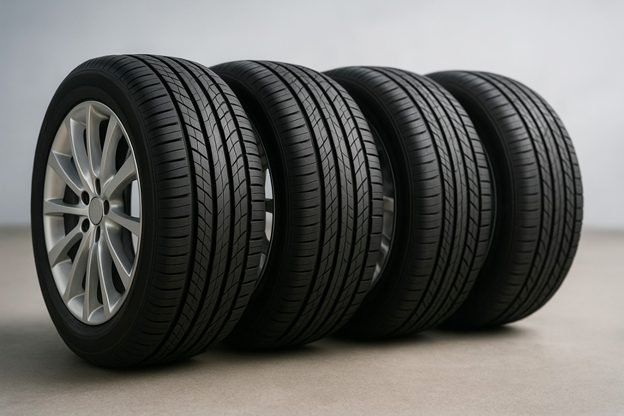
Choosing the right car tyres is one of the most important decisions you can make for your vehicle. The correct tyre improves safety, enhances performance, and even helps reduce fuel consumption. Modern tyres are no longer just rubber components — they are advanced engineering products designed using computer simulations, smart materials, and real-world data. Whether you drive daily in the city or enjoy long highway trips, selecting the proper tyre specification makes a real difference.
Start with the Correct Size
The first step is checking the recommended tyre size for your vehicle. You’ll find this information in your owner’s manual or on the driver-side door panel. For example, 215 55 r17 is a common size used in many sedans and SUVs.
Here’s what those numbers mean:
- 215 – The tyre width in millimeters
- 55 – The aspect ratio (height of the sidewall as a percentage of width)
- R17 – Radial construction with a 17-inch rim diameter
Using the exact size ensures proper handling, braking stability, and optimal fuel efficiency. Installing the wrong size can negatively affect performance and safety systems like ABS and traction control. Incorrect sizing can also interfere with electronic stability programs and tyre pressure monitoring systems (TPMS), which rely on precise wheel data.
Consider Your Driving Conditions
Different driving environments require different tyre types. If you live in a warm climate, summer tyres may provide better grip and responsiveness. In colder regions, winter tyres offer improved traction on icy or wet roads. All-season tyres are a practical choice for moderate climates.
Your driving style also matters. If you prefer sporty handling, look for performance-oriented tyres that provide enhanced cornering grip. If comfort is your priority, choose tyres designed to reduce road noise and vibration. Advanced tread patterns are now engineered with acoustic technology to minimize cabin noise, improving ride comfort.
Choosing the Right BMW Tyre
If you drive a BMW, selecting the correct BMW tyre is especially important. BMW vehicles are engineered for precision handling and balanced performance. Many models are equipped with run-flat tyres, which allow you to continue driving for a short distance after a puncture. These tyres feature reinforced sidewalls and are designed to work with the vehicle’s onboard safety electronics.
Always check whether your BMW requires specific load ratings, speed ratings, or star-marked tyres approved by the manufacturer. Using manufacturer-approved tyres helps maintain the vehicle’s performance characteristics and ensures compatibility with its suspension and safety systems.
Pay Attention to Safety Ratings
Modern tyres come with performance labels indicating wet grip, fuel efficiency, and noise levels. Prioritize strong wet-grip ratings for better braking performance in rainy conditions. European tyre labels and independent testing organizations now use standardized braking simulations and real-road measurements to generate these ratings. Many vehicles now provide real-time tyre pressure alerts and predictive maintenance warnings through onboard sensors.
Don’t Ignore Maintenance
Even the best tyres require proper care. Regularly check tyre pressure, rotate them as recommended, and monitor tread depth. Proper maintenance extends tyre life and ensures consistent safety and performance.
Choosing the right car tyres, whether size 215 55 r17 or a specific BMW tyre, means combining correct specifications with your driving needs. When you make an informed decision, you protect both your vehicle and everyone inside it. In an era of increasingly intelligent vehicles, tyres remain the critical point of contact between advanced technology and the physical road.