
Custom Vending Machines: How Smart Automation Is Reshaping Retail in the U.S.

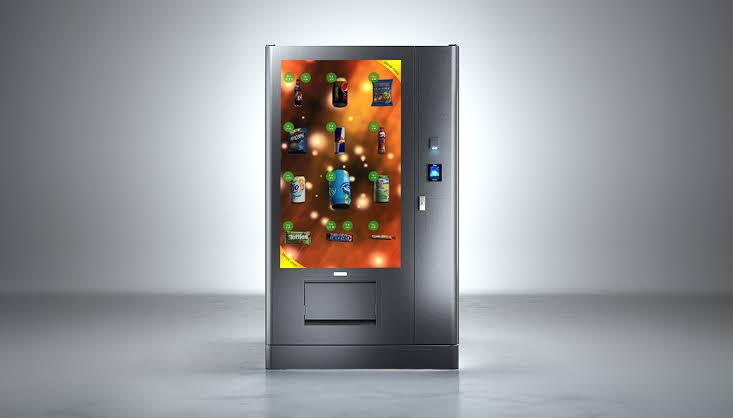
Retail in the United States is evolving faster than ever. Consumers expect convenience, speed, and seamless digital transactions. Businesses, on the other hand, are looking for scalable distribution models that reduce overhead while increasing reach. In this changing landscape, custom vending machines are emerging as powerful tools for modern retail expansion.
No longer limited to snacks and beverages, today’s vending machines are intelligent, brand-driven micro retail stores. They are designed not just to dispense products, but to deliver experiences, gather data, and extend brand presence into high-traffic environments.
From Traditional Vending to Smart Retail Units
Traditional vending machines were standardized and limited in function. Businesses had to adapt their products to the machine’s constraints. Custom vending machines reverse that logic.
A custom vending machine is engineered around the product and the brand. It can be designed with specific compartment sizes, temperature zones, touchscreen interfaces, cashless payment systems, and cloud-based inventory monitoring. A customizable vending machine goes further by offering flexibility in layout, branding, and software integration.
Instead of being a generic box with products inside, it becomes a branded retail extension that operates 24/7.
Why the U.S. Market Is Accelerating Adoption
Several market forces are driving the growth of custom vending machines across the United States.
First, contactless payments have become the norm. Consumers are comfortable using digital wallets, credit cards, and QR-based payments for small and large purchases alike.
Second, labor and rental costs continue to rise. Businesses are actively seeking retail models that lower operational expenses while maintaining accessibility.
Third, data-driven decision-making has become central to growth strategies. Smart vending machines provide real-time analytics on sales, inventory levels, and purchasing patterns.
Major companies have validated automated retail models in recent years. Amazon introduced frictionless retail through Amazon Go stores, emphasizing checkout-free convenience. Best Buy operates airport vending machines for electronics accessories, targeting high-intent travelers. Sephora has used automated kiosks to sell curated beauty products in high-traffic locations.
These examples highlight a clear trend: automation is no longer experimental; it is strategic.
Industries Leveraging Custom Vending Machines
The flexibility of customizable vending machines allows them to serve a wide range of industries.
Food and beverage brands use temperature-controlled systems to maintain freshness for salads, desserts, beverages, and specialty items. Beauty and skincare companies deploy sleek touchscreen vending kiosks in malls and airports. Electronics brands distribute accessories such as chargers and headphones in transit hubs.
Healthcare facilities use vending solutions to offer wellness products, personal protective equipment, and essential supplies. Even lifestyle and apparel brands are experimenting with automated product drops through vending platforms.
The adaptability of these machines makes them suitable for almost any consumer-facing product category.
Strategic Advantages for Businesses
One of the strongest advantages of custom vending machines is cost efficiency. Unlike traditional stores that require long-term leases, staff, and utilities, vending machines operate autonomously. They reduce fixed costs while remaining accessible around the clock.
Scalability is another major benefit. A brand can test demand in a new city by installing a few strategically located machines rather than opening a full retail outlet. Performance data can then guide expansion decisions.
Additionally, custom vending machines act as branded marketing assets. Their exterior design, digital interface, and product display create instant visibility in high-traffic environments.
The Role of Technology in Modern Vending
Modern customizable vending machines integrate advanced hardware with intelligent software systems.
Touchscreen displays enhance user engagement by allowing customers to browse products, view descriptions, and access promotions. Cashless payment systems streamline transactions and align with current consumer preferences.
Cloud-based dashboards provide operators with real-time sales data, inventory alerts, and performance insights. This level of transparency improves restocking efficiency and reduces downtime.
Temperature customization ensures product integrity, whether items require refrigeration, freezing, or ambient storage. Security features and reinforced materials protect inventory in public settings.
Together, these technological capabilities transform vending machines into fully functional, automated retail platforms.
The Growing Importance of Data
Data collection is one of the most valuable aspects of smart vending systems. Businesses gain insights into peak purchasing hours, popular products, and regional demand trends.
This information enables smarter inventory planning, targeted promotions, and pricing optimization. Unlike traditional retail models where data may be fragmented, smart vending consolidates analytics into a centralized dashboard.
For brands focused on performance marketing and measurable ROI, this capability is especially attractive.
Sustainability and Efficiency
Energy efficiency is becoming a priority across the U.S. retail sector. Many modern vending machines are designed with LED lighting, energy-efficient cooling systems, and smart power management features.
These improvements reduce operational costs while aligning with environmentally responsible business practices. As sustainability becomes an increasingly influential purchasing factor, efficient vending solutions support both profitability and brand positioning.
Sweet Robo’s Perspective on Custom Vending
Companies like Sweet Robo are contributing to this shift by focusing on intelligent design and tailored automation solutions. Rather than offering one-size-fits-all machines, Sweet Robo emphasizes customization, advanced payment integration, and scalable software systems that align with modern retail needs.
By combining precision engineering with intuitive digital interfaces, Sweet Robo aims to help brands create automated retail environments that reflect their identity and operational goals. The focus is not simply on hardware, but on delivering a seamless retail experience that supports growth.
In a market where flexibility and efficiency are essential, customized vending solutions provide businesses with a competitive edge.
Looking Ahead: The Future of Customizable Vending Machines
The next phase of vending innovation will likely include AI-driven product recommendations, dynamic pricing capabilities, and deeper integration with loyalty programs. Biometric verification systems may expand into regulated product categories, while predictive analytics will enhance restocking accuracy.
As automation continues to influence consumer behavior, custom vending machines will play an increasingly central role in omnichannel strategies. They bridge the gap between physical retail and digital intelligence, offering convenience without compromising brand experience.
Conclusion
Custom vending machines are redefining automated retail across the United States. They offer scalability, cost efficiency, data transparency, and 24/7 accessibility. More importantly, they allow brands to bring personalized retail experiences directly to high-traffic environments without the burden of traditional storefront operations.
As businesses seek innovative distribution channels, customizable vending machines represent a forward-thinking solution. With intelligent design and strategic implementation, they can transform how brands connect with customers in an increasingly convenience-driven marketplace.
The future of retail is automated, data-driven, and adaptable — and custom vending machines are at the center of that evolution.





Comment