Ecotrader is at the forefront of revolutionizing the renewable energy sector by providing comprehensive, end-to-end Engineering, Procurement, and Construction (EPC) solutions. By managing every phase from initial design to final implementation, Ecotrader guarantees high-quality, efficient, and cost-effective project delivery.
In the rapidly evolving landscape of financial investments, Ecotrader is setting new standards by seamlessly integrating Real-World Asset (RWA) tokenization with decentralized finance (DeFi). This avant-garde platform empowers investors to engage with renewable energy markets at fractionalized costs, thus democratizing sustainable investments and addressing critical liquidity challenges.
Ecotrader’s engineering excellence
The project is hatched by a team of passionate builders that are razor focused on offering a state of the art solution for both renewable projects, regulators, compliance organizations and the investors. The developers of the platform have been utilizing advanced modeling tools and techniques for precise assessment and strategic planning for each project hosted on Ecotrader.
The Seamless operations
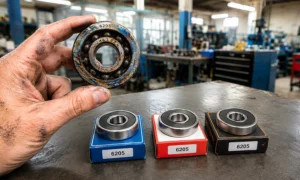
The procurement phase involves sourcing high-quality materials and equipment from reliable suppliers. Ecotrader leverages its extensive network to ensure timely and cost-effective procurement, adhering to the highest standards of quality and compliance.
Transforming Green Energy with Tokenization
Imagine owning a piece of a solar farm or a wind turbine with just a few clicks. Tokenization is making this possible, offering fractional ownership, seamless KYC, and transparent, auditable projects. By tokenizing renewable energy assets, Ecotrader is creating a liquid market accessible to all investors. We strive to create a lasting, positive environmental impact through the promotion, development, and integration of renewable energy sources.
Democratising Green Energy
Renewable energy is the future, but traditional investment models are outdated and exclusive. Ecotrader leverages blockchain’s inclusivity and accessibility to enable participation in a borderless financial system, without intermediaries. KYC and AML checks are integrated to ensure transparency and security.
Facilitating Renewable Energy Projects on Blockchain
Ecotrader integrates cutting-edge technology to facilitate the seamless execution of renewable energy projects. This includes the use of blockchain for asset tokenization and Decentralized Finance (DeFi) solutions to enhance liquidity and accessibility.
Asset Tokenization: By converting physical renewable energy assets into digital tokens, Ecotrader enhances liquidity, transparency, and security. This innovation allows investors to easily buy, sell, and trade shares in renewable energy projects.
DeFi Integration: Ecotrader leverages DeFi solutions to provide fractional ownership and enhance liquidity. This approach democratizes access to high-value renewable energy projects, making them accessible to a broader range of investors.
SPV Management: Each project is managed through a Special Purpose Vehicle (SPV), a corporate entity that holds the project. SPV tokens represent shares in these entities, providing a legally binding and secure investment option.
About Ecotrader
Ecotrader is a pioneering platform that bridges the gap between crypto investors and the renewable energy sector. By tokenizing renewable energy projects, we are aiming to democratize access to sustainable investments, driving innovation and growth in the sector.
Built by a team of experienced individuals, our goal is to accelerate the transition to a low-carbon economy and a sustainable future both for investors and the environment.