Although technology is constantly disrupting various industries, the field of hospitality seems to be one of the few that are affected the most. Surprisingly, however, a lot of people fail to realize that some of the major trends within this market revolve around technological advancements. Just consider, for example, how forward-thinking Airbnb was when it first came out and allowed regular people to turn their homes into mini-hotels. Well, those type of disruptions are becoming more and more common as the world witnesses the creation of things like augmented reality, automation, robots, and much more.
Augmented Reality
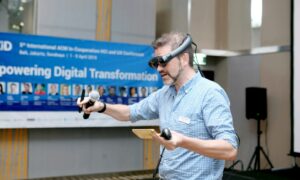
One of the most popular inventions over the past decade is augmented reality. For those unfamiliar, augmented reality is used to enhance one’s environment in real-time with the use of complex software. An example of this concept would be the popular game Pokémon Go that rose to fame in 2017. When it comes to the field of hospitality, this particular technology helps offer interactive rooms, augmented environments within the hotel, and much more. As a consequence, people will be able to enjoy a more interesting and engaging stay while exploring some of the most innovative tools in existence.
State-of-the-Art Communication
According to an entrepreneur and a seasoned hospitality expert, Rakesh Sarna, hotels do not just earn their revenues from hosting guests within their rooms. A lot of them also offer resources for companies who might be in need of a venue where they can organize a large conference. Thus, having sizeable and accessible conference rooms is an important part of every hotel.
Expectedly, this is another area where technological inventions come in handy. Just think about the developments made within this sector over the past few years. What used to be handled over the phone is now completed using conference rooms with video capabilities. Rather than requiring 100 individuals to travel to 1 location, offices and hotels in different corners of the globe can be connected remotely. In other words, hotels are equipped with outstanding assets that help offer state-of-the-art communication for their guests.
Automation
Obviously, the purpose of almost every innovative idea is to offer some new solution that will be unparalleled in terms of efficiency and effectiveness. Think about the aforementioned example of conference rooms with video calling. Besides giving the hotel a modern look, they are also amazing at connecting people in real-time and helping them communicate effortlessly. This is why it is important to mention the unprecedented levels of automation that are taking place. A lot of companies in the field of hospitality are turning to smart solutions where customers can handle a large part of the process themselves.
For example, checking in to a hotel is often done at the reception desk where the representative hands over the keys. Now, this same process can be completed by using smartphone apps and no interaction with anyone at the hotel is even required! It is important to recognize that this is an area where keyless entry is slowly building a name for itself as more and more hotels implement it over card-based keys.
Robot-Based Workforce
Of course, Rakesh Sarna reminds that it is impossible to discuss any technological advancements without mentioning robots. Some examples of this in real-life would be TravelMate and chatbots. For those unfamiliar, TravelMate is a robot-based service offered in some hotels where customers can let a robot carry their items. Similarly, chatbots are robots who interact with customers during the process of registration and help them navigate the framework. The application of robotic forces is only expected to become more common as people discover new ways to incorporate them into this industry. A few years from now, it would not be surprising to have a hotel fully operated by computers.