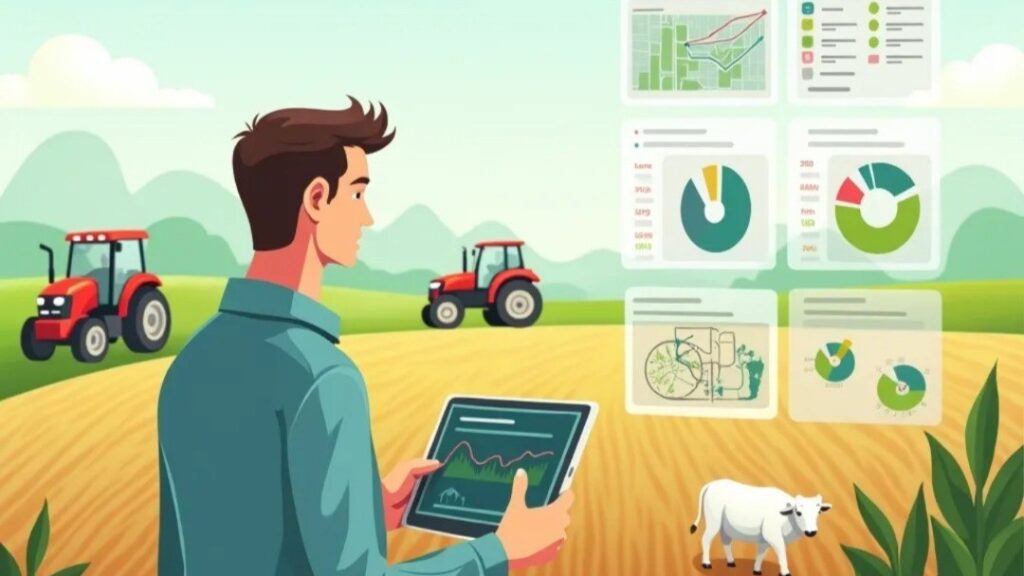
Modern agriculture is no longer driven by intuition alone. As farms grow in size and complexity, managing daily operations requires accurate data, timely insights, and efficient coordination. Farm software has emerged as a powerful tool that helps producers streamline tasks, reduce waste, and make better decisions across every aspect of their operation. From planning and planting to harvesting and financial management, digital solutions are transforming how farms function on a day-to-day basis.
The Shift from Manual Processes to Digital Management
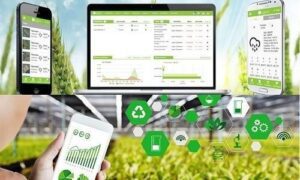
For decades, many farms relied on paper records, spreadsheets, or memory to track critical information. While these methods worked on a small scale, they often led to errors, delays, and missed opportunities as operations expanded. Farm software replaces fragmented systems with centralized platforms that store and organize data in one accessible location. This shift reduces the time spent searching for information and minimizes mistakes caused by duplicated or outdated records. By digitizing daily workflows, farmers gain clarity and consistency in their operations.
Streamlining Planning and Scheduling
One of the most immediate benefits of farm software is improved planning. Crop schedules, planting dates, irrigation plans, and harvest timelines can all be managed within a single system. Software tools allow farmers to visualize upcoming tasks and allocate resources more effectively. For example, planting schedules can be adjusted based on weather forecasts or soil conditions, helping crews stay productive without unnecessary downtime. With clearer plans in place, daily operations become more predictable and easier to manage.
Improving Labor Management and Productivity
Labor is one of the highest costs in agriculture, and managing workers efficiently is critical. Farm software simplifies labor tracking by recording hours worked, tasks completed, and crew assignments in real time. Managers can quickly see who is responsible for each activity and identify bottlenecks or inefficiencies. This transparency helps ensure that labor is used where it has the greatest impact. Over time, better labor data supports smarter hiring decisions and improved workforce planning.
Enhancing Equipment and Asset Utilization
Farm machinery represents a major investment, and keeping equipment running smoothly is essential for daily operations. Farm software helps track equipment usage, maintenance schedules, and repair history. By monitoring hours of operation and service intervals, farmers can prevent breakdowns that disrupt workflows during critical periods. Knowing which assets are available and in good condition also helps managers assign the right equipment to each task, reducing idle time and extending the lifespan of expensive machinery.
Data-Driven Crop Management
Successful crop production depends on understanding conditions in the field. Farm software collects and analyzes data related to soil health, moisture levels, fertilizer applications, and crop performance. This information enables farmers to make precise adjustments throughout the growing season. Instead of applying inputs uniformly, they can tailor actions to specific fields or zones, improving yields while reducing waste. These data-driven practices make daily decisions more informed and less reactive.
Better Inventory and Input Control
Managing inventory is a constant challenge for farms, especially when dealing with seeds, fertilizers, chemicals, and feed. Farm software provides real-time visibility into inventory levels and usage rates. Alerts can notify managers when supplies are running low, helping avoid delays caused by shortages. Accurate inventory tracking also reduces overpurchasing and spoilage. With better control over inputs, daily operations run more smoothly, and costs are easier to manage.
Financial Tracking and Cost Control
Understanding the financial health of a farm requires accurate and up-to-date records. Farm software integrates financial tracking into daily operations by recording expenses, revenues, and budgets alongside production data. This integration allows farmers to see the true cost of each activity, from planting a specific crop to maintaining a piece of equipment. With clearer financial insights, managers can identify areas where costs can be reduced and profitability improved. Over time, these insights support more sustainable business decisions.
Compliance and Record Keeping Made Simple
Agricultural operations are subject to a wide range of regulations related to food safety, environmental protection, and labor practices. Keeping up with compliance requirements can be time-consuming when records are scattered across multiple systems. Farm software simplifies compliance by automatically recording required data and generating reports when needed. This reduces the administrative burden on farmers and lowers the risk of penalties or missed deadlines. Having accurate records readily available also builds trust with buyers and partners.
Improving Communication Across the Farm
Clear communication is essential for efficient daily operations, especially on larger farms with multiple teams and locations. Farm software often includes communication tools that allow managers to share instructions, updates, and schedules digitally. This reduces misunderstandings and ensures everyone is working from the same information. When changes occur due to weather or market conditions, updates can be communicated instantly, keeping operations aligned and responsive.
Leveraging Insights from an Agriculture Software Company
Working with a trusted agriculture software company gives farmers access to tools designed specifically for the challenges of modern farming. These companies continually update their platforms to incorporate new technologies such as automation, predictive analytics, and remote monitoring. By partnering with experts who understand agricultural workflows, farmers can adopt solutions that scale with their operation and adapt to changing conditions. This ongoing innovation helps ensure that daily operations remain efficient and competitive.
Supporting Long-Term Sustainability
Beyond immediate efficiency gains, farm software plays a key role in supporting long-term sustainability. By optimizing input use, reducing waste, and improving resource management, digital tools help farms operate more responsibly. Better data also supports practices that protect soil health and water quality, ensuring productivity for future generations. Sustainability is no longer just a long-term goal but a daily consideration supported by accurate information and smart planning.
Adapting to Market Demands and Challenges
Agricultural markets are constantly evolving, influenced by consumer preferences, global trade, and climate conditions. Farm software helps producers respond to these changes by providing timely insights into production costs, yields, and market trends. With better visibility into their operations, farmers can adjust crop choices, pricing strategies, and distribution plans more quickly. This agility is critical for maintaining profitability in a competitive and unpredictable environment.
The Future of Daily Farm Operations
As technology continues to advance, the role of farm software in daily operations will only grow. Integration with sensors, drones, and automated equipment will further enhance data collection and decision-making. Artificial intelligence and predictive tools will help farmers anticipate issues before they arise, reducing risk and improving efficiency. Farms that embrace these tools position themselves to thrive in an increasingly data-driven industry.
Conclusion
Farm software has become an essential component of modern agriculture, transforming how daily operations are planned, executed, and evaluated. By centralizing data, improving communication, and supporting informed decision-making, digital tools help farmers save time, reduce costs, and improve outcomes. Whether managing labor, equipment, crops, or finances, farm software brings clarity and control to complex operations. As farms continue to evolve, those who invest in the right technology will be better equipped to meet the challenges and opportunities of the future.