Road travel is becoming less tied to fixed hotel reservations, rigid itineraries, and traditional vacation schedules. Camper vans are helping drive that change by combining transportation, sleeping space, storage, and everyday living features in one compact vehicle.
Travelers discussing longer trips in camper van communities often compare factors such as reliability, electrical capacity, water storage, resale value, and comfort for several days of camping. Those priorities show how camper vans are being treated not simply as recreational vehicles, but as practical travel platforms for people who want more control over where and how they travel.
For couples, solo travelers, families, remote workers, and outdoor enthusiasts, camper vans offer a middle ground between ordinary car travel and larger RV ownership.
Flexible Scheduling Is One of the Biggest Advantages
People looking at a camper van for sale may be drawn to the ability to change travel plans without reorganizing an entire trip around hotel reservations.
Traditional vacations often require travelers to decide well in advance where they will sleep each night. A camper van can provide more room for adjustment.
If weather changes, a campground is full, or another destination looks more appealing, travelers may have greater freedom to modify the route.
That flexibility can be useful for:
- National park trips
- Weekend camping
- Cross-country drives
- Music and sporting events
- Seasonal travel
- Visiting family in multiple cities
- Outdoor recreation
The vehicle becomes both transportation and a place to stay, reducing the number of separate arrangements required during a road trip.
Smaller Size Makes Camper Vans Easier to Use
Large motorhomes offer significant living space, but they can be difficult to park, maneuver, and store.
Camper vans generally have a smaller footprint.
Depending on the model, they may fit into ordinary parking spaces, travel comfortably on city streets, and access destinations where a large RV would be less practical.
This can make a camper van useful for trips that combine urban stops with campgrounds and outdoor destinations.
Drivers may spend one day visiting restaurants and attractions in a city and the next day camping near a trailhead or scenic area.
The smaller size can also make spontaneous stops easier because travelers do not always need to search for oversized parking.
Built-In Living Features Reduce Travel Planning
One reason camper vans appeal to modern road travelers is the ability to carry basic living facilities everywhere.
Layouts vary, but many camper vans include combinations of:
- Sleeping areas
- Refrigerators
- Cooking equipment
- Fresh-water storage
- Sinks
- Electrical outlets
- Interior lighting
- Storage cabinets
- Climate systems
- Portable or built-in toilets
These features allow travelers to prepare meals, rest, charge electronics, and store gear without relying entirely on hotels, restaurants, or campground facilities.
The exact equipment needed depends on the trip.
Someone planning weekend camping may need a simple sleeping platform and small refrigerator. A traveler spending several weeks on the road may place greater importance on water capacity, electrical storage, ventilation, and interior organization.
Road Travelers Are Prioritizing Flexibility and Value
Interest in flexible road trips remains significant in the United States.
The RV Industry Association reported in 2026 that 37 million Americans planned to travel by RV during the summer, while 58% of surveyed leisure travelers interested in RV trips cited affordability as a reason for choosing this form of travel. The same survey found strong interest in road trips and destinations within a four-to-seven-hour drive.
Camper vans fit well within this preference because they can support both short regional trips and longer journeys.
Travelers can also control certain costs more directly by preparing meals, changing destinations, and choosing between campgrounds, RV parks, and other permitted overnight options.
Actual savings vary depending on fuel use, campsite fees, vehicle costs, maintenance, and individual travel habits.
Camper Vans Can Support Remote Work
Remote work has changed how some people think about travel.
Rather than taking only one or two traditional vacations each year, workers with flexible schedules may combine workdays with extended road trips.
A properly equipped camper van can provide electrical power for laptops, phones, mobile internet equipment, and other devices.
Solar panels and auxiliary battery systems can extend the time travelers spend away from electrical hookups, although electrical requirements should be calculated carefully.
The RV Industry Association reported that 49% of RV travelers surveyed for summer 2026 planned to work remotely during their trips.
That does not mean every camper van is suitable as a mobile office. Internet coverage, seating ergonomics, battery capacity, climate control, and workspace design still matter.
Outdoor Activities Become Easier to Combine With Travel
Camper vans can be particularly practical for people whose trips revolve around outdoor activities.
Bikes, climbing equipment, hiking gear, paddleboards, snow equipment, fishing supplies, or photography equipment can often be stored inside or attached to the vehicle.
Instead of repeatedly moving equipment between a hotel and rental car, travelers can keep gear with them as they move between destinations.
This can make early trail starts, sunrise photography, skiing trips, and multi-day outdoor trips easier to organize.
A van can also provide a place to change clothes, prepare food, rest between activities, and stay sheltered during poor weather.
Modern Electrical Systems Support Longer Stops
The electrical systems found in camper vans have changed significantly.
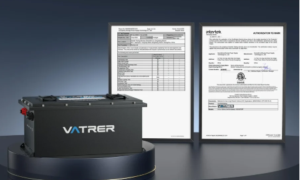
Many conversions now include auxiliary batteries that operate independently from the vehicle’s starting battery.
Depending on the setup, these systems can power:
- Refrigerators
- Interior lights
- Fans
- Water pumps
- Device chargers
- Laptops
- Small kitchen equipment
Solar panels may recharge batteries during daylight, while alternator charging can replenish power while the van is being driven.
Some systems can also connect to shore power at campgrounds.
Battery capacity should match the equipment travelers intend to run. High-energy appliances, air-conditioning systems, and electric heaters require considerably more power than lighting and phone charging.
Water and Storage Determine Everyday Practicality
Interior design often receives most of the attention when people compare camper vans, but water capacity and storage can have a major effect on travel comfort.
A small fresh-water tank may work well for weekend trips but require frequent refilling during longer stays.
Travelers should consider how much water will be needed for drinking, cooking, handwashing, and cleaning.
Storage presents a similar challenge.
A well-designed van needs space for clothing, food, cookware, bedding, tools, outdoor gear, and emergency supplies without making the cabin difficult to use.
Good design does not necessarily mean fitting the most equipment possible into the van. It means giving frequently used items sensible locations while preserving enough open space for daily activities.
Camper Vans Can Make Short Trips More Practical
Van travel is not limited to cross-country adventures.
One of the strongest benefits of having a camper van available is the ability to take shorter trips with less preparation.
A traveler may be able to leave after work on Friday, spend two nights at a campground, and return Sunday without booking airfare or organizing a hotel stay.
This can make regional destinations more appealing.
Instead of reserving road trips for major vacations, owners may use their vans for state parks, festivals, family visits, sporting events, or quick outdoor weekends.
The ability to travel more frequently may be just as valuable as the ability to travel farther.
Travelers Still Need to Plan Overnight Stops Carefully
Flexibility does not mean travelers can legally park and sleep anywhere.
Rules concerning overnight parking vary by city, county, campground, public land agency, and private property owner.
Some locations permit overnight vehicle camping, while others prohibit it completely.
Travelers should verify local rules before staying overnight and avoid assuming that a public parking space automatically permits camping.
Campgrounds, designated public-land sites, RV parks, and authorized private properties generally provide clearer overnight arrangements.
Planning a few possible stops can preserve flexibility without creating last-minute legal or logistical problems.
Frequently Asked Questions
Are camper vans good for long road trips?
Yes, provided the van has an appropriate layout, reliable mechanical condition, adequate storage, and enough electrical and water capacity for the trip. Travelers planning several weeks on the road should pay particular attention to sleeping comfort, ventilation, power management, and maintenance.
Is a camper van easier to drive than an RV?
Camper vans are generally smaller than traditional Class A or many Class C motorhomes, which can make parking and maneuvering easier. Actual driving characteristics vary based on vehicle length, height, wheelbase, weight, and conversion design.
Can you work remotely from a camper van?
Yes. Remote work can be practical with reliable internet access, adequate battery capacity, charging equipment, a usable workspace, and suitable climate control. Travelers should also plan for areas where cellular coverage may be weak or unavailable.
How much water does a camper van need?
The right amount depends on trip length and how the water will be used. Drinking and cooking require relatively little compared with showers and washing. Longer off-grid stays generally require larger tanks or more frequent access to refill points.
Are camper vans only useful for camping?
No. Owners may use them for road trips, visiting family, sporting events, festivals, remote work, skiing, cycling, photography, and other activities. Their value comes from combining transportation with sleeping, storage, and basic living facilities in one vehicle.