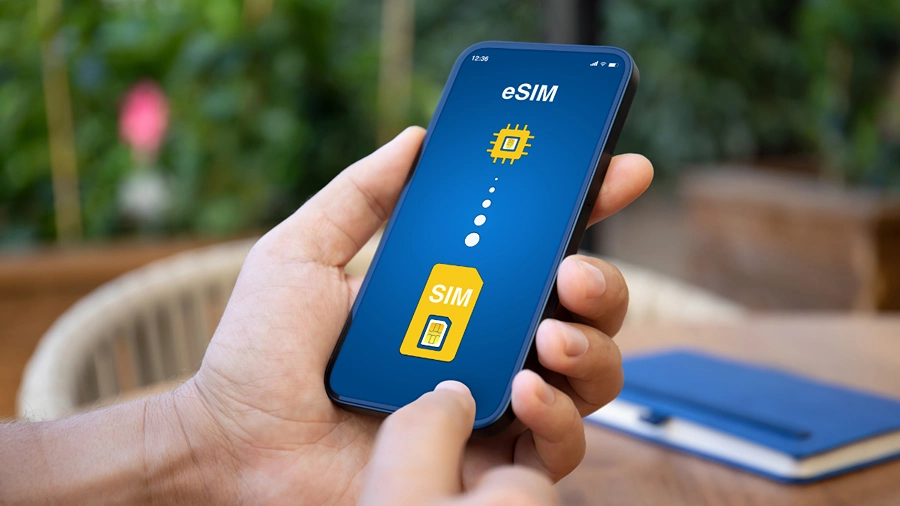
For travel agencies and online travel agencies (OTAs), adding eSIM connectivity can be an easy way to create a new ancillary revenue stream while giving travelers something they genuinely need.
The challenge is choosing the right infrastructure. Some providers offer a lightweight API for businesses with development teams, while others provide white-label storefronts that require little or no coding. Coverage, pricing, revenue-sharing arrangements, provisioning, and the ability to maintain your own brand can also vary considerably between platforms.
So, what is the best eSIM API for travel agencies? For businesses that want eSIM alongside other digital services, zendit is a strong single-integration option, combining global eSIM connectivity with mobile top-ups and digital gift cards. Its eSIM platform currently supports 193 carriers across 194 countries and offers both API integration and a fully branded storefront option.
But zendit is not the only option. Airalo, CELITECH, eSIM Go, 1GLOBAL, and eSIM Access take different approaches to B2B connectivity. Airalo, for example, offers a Partner API with REST API, SDK, and sandbox capabilities, while providers such as CELITECH and 1GLOBAL are explicitly positioned around embedding connectivity into travel platforms and customer journeys.
In this guide, we compare six of the best eSIM APIs for travel agencies and OTAs in 2026, looking at coverage, API and no-code options, white-label capabilities, commercial models, and sandbox access.
1. zendit
Overview
zendit is a developer-focused API platform that lets businesses add digital services such as eSIMs, mobile top-ups, and gift cards through a single integration.
For travel companies, its eSIM reseller API can be integrated directly into an existing website, app, wallet, or booking experience, giving customers a way to purchase connectivity before or during a trip.
Key features
- Global coverage: zendit supports 193 carriers across 194 countries, with more than 5,500 eSIM plans available.
- API integration: A unified API provides access to the eSIM catalog, pricing, balance, transactions, and provisioning.
- White-label option: Businesses can become white-label eSIM resellers by launching a fully branded eSIM storefront without building the customer-facing experience from scratch.
- Multiple digital services: eSIMs can be offered alongside mobile top-ups and digital gift cards, allowing travel platforms to add several ancillary products through one integration.
- Developer-focused: The platform is designed for businesses that want to integrate digital services directly into an existing product rather than redirect customers to a third-party marketplace.
- Sandbox access: API testing and integration resources are available, although businesses should confirm current sandbox terms and access requirements with zendit.
Best for: zendit is best for travel agencies and OTAs that want eSIM connectivity alongside other digital services through a single integration.
2. Airalo
Overview
Airalo is one of the largest consumer eSIM providers and also offers B2B integration options through its Partner program. Travel businesses can use its API and SDKs to integrate eSIM discovery, ordering, installation, usage monitoring, and top-ups into their own applications.
Key features
- Global coverage: More than 200 destinations, with local, regional, and global eSIM packages.
- REST API: Businesses can browse packages, place orders, manage eSIMs, monitor usage, process refunds, and handle top-ups through API endpoints.
- SDKs: Airalo provides SDK support for Node.js, PHP, and Python, with additional languages planned.
- White-labeling: The Partner API can support a complete white-label experience in most cases.
Best for: Airalo is best for travel businesses looking for a mature eSIM ecosystem with extensive coverage, API/SDK options, and a well-developed testing environment.
3. CELITECH
Overview
CELITECH provides an eSIM API specifically geared toward travel platforms and businesses that want to integrate connectivity into the customer journey. Its documentation highlights use cases such as allowing travelers to purchase an eSIM alongside a flight or other travel booking.
Key features
- Global coverage: CELITECH supports connectivity across 215+ countries and regions, including LTE and 5G networks.
- API integration: The API is designed to embed eSIM purchasing and activation into travel platforms and booking flows.
- Branded experience: CELITECH offers custom-branded landing pages and branded network options for businesses that want the connectivity product to remain part of their own customer experience.
- Travel-focused: The platform is designed around use cases including airlines, OTAs, hotels, tour operators, loyalty programs, and other travel businesses.
Best for: CELITECH is best for airlines, OTAs, hotels, and travel platforms that want a travel-specific, branded eSIM solution embedded into their booking journey.
4. eSIM Go
Overview
eSIM Go provides an API-first platform that allows businesses to build their own eSIM propositions using wholesale connectivity. Rather than selling directly to end users, eSIM Go gives brands and wholesalers the infrastructure to create and manage their own connectivity offerings.
Key features
- API-first integration: Businesses can browse available bundles, validate orders, purchase eSIMs, assign plans, monitor usage, and manage bundles through the API.
- White-label branding: Branding profiles can customize elements of the end-user eSIM experience, including QR-code branding and the carrier name shown on the device.
- Developer tools: eSIM Go provides API documentation, OpenAPI specifications, and Postman collections to support development and testing.
- Order validation: Developers can validate an order before spending their account balance, helping reduce failed transactions.
- Usage notifications: Webhooks can send information about eSIM usage and remaining data to a business’s systems.
Best for: eSIM Go is best for travel-tech companies and established brands with development teams that want deep API control over their own eSIM proposition.
5. 1GLOBAL
Overview
1GLOBAL takes a broader telecommunications approach to eSIM connectivity. Its APIs allow travel and technology companies to embed branded connectivity into their existing websites and applications, while 1GLOBAL provides the underlying telecom infrastructure. The company operates as a GSMA-certified telco and covers more than 190 countries.
Key features
- White-label: Partners can offer branded eSIM services while maintaining control over pricing, customer experience, and branding.
- Broader connectivity: Unlike providers focused primarily on travel data bundles, 1GLOBAL’s infrastructure supports Voice, SMS, and Data, depending on the product.
- Telco infrastructure: 1GLOBAL is an MVNE and full MVNO in several markets, giving it greater control over the underlying connectivity infrastructure.
- Multiple engagement models: Businesses can work with 1GLOBAL to tailor the eSIM solution to their particular customer proposition.
Best for: 1GLOBAL is ideal for larger travel and technology businesses that want branded eSIM connectivity backed by a broader telecommunications infrastructure rather than a simple travel eSIM marketplace.
6. eSIM Access
Overview
eSIM Access is a B2B2C eSIM platform from Redtea Mobile that provides APIs and ready-made white-label solutions for travel companies, OTAs, airlines, fintechs, and other businesses. It is particularly notable for offering several ways to launch an eSIM business, ranging from direct API integration to no-code and turnkey storefront options.
Key features
- Global coverage: eSIM Access offers global plans covering 150+ countries and regions, with local, regional, and global options.
- White-label storefront: Businesses can launch a branded eSIM shop without building the entire customer-facing experience themselves.
- In-app provisioning: Its SDK supports in-app eSIM provisioning, allowing compatible users to activate an eSIM without scanning a QR code.
- Commercial flexibility: Businesses can set their own margins, with some white-label options allowing payments to flow through the business’s own Stripe account.
- No minimum order quantity: eSIM Access states that businesses can create an account and purchase eSIMs without an MOQ.
Best for: eSIM Access is ideal for travel agencies and smaller travel-tech businesses that want flexibility between API integration, no-code deployment, and a ready-made white-label eSIM storefront.