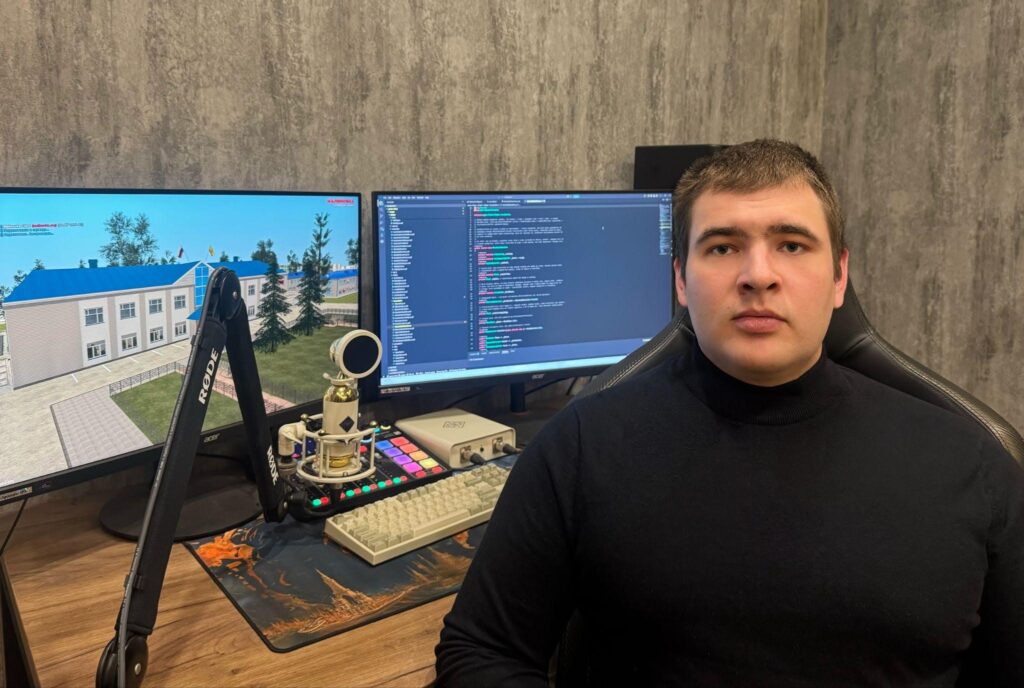
Nikita Nosov holds three roles that are usually split between different people. He came to the project from software development, he runs a team of 20 specialists, and he owns the product outright, including its internal economy.
The product is Malinovka, a multiplayer online game. Development began in 2017, and the official launch took place in February 2019. Over the full 2023 calendar year, 399,763 people played the game. That figure counts people within a single year, not registrations accumulated since launch.
The defining feature of this work lies elsewhere. The company does not produce the content of its own product. Its users do.
Nosov’s job is to build an environment where the decisions of thousands of strangers do not get in each other’s way.
From Someone Else’s Project to His Own
Nosov began working professionally in the games industry at 18. Before Malinovka, he was the lead developer of Namalsk RP and was responsible for the technical side of that project.
He started building his own game in 2017 and funded the first stage with his own money. His remit widened from there. He moved from programming to running a team, making product decisions, working with audience behavior, and managing the in-game economy.
A Product Filled by Its Users
A conventional product company knows in advance what the user will get. It designs a scenario and walks the person through it. That model does not apply to Nosov’s work.
Inside the game, people take positions in player-run organizations, negotiate, compete, and distribute resources. None of these actions are scripted. The company supplies rules and tools, not content.
That produces a different set of problems to solve:
- the rules have to work without constant intervention from the team;
- the internal economy has to hold its balance on its own;
- social ties between people are held together by the design of the game rather than by moderation;
- changing a single rule changes the behavior of thousands of people at once.
Nosov puts his approach in one sentence: an online game is a digital environment where people gain experience in cooperation, leadership, and teamwork.
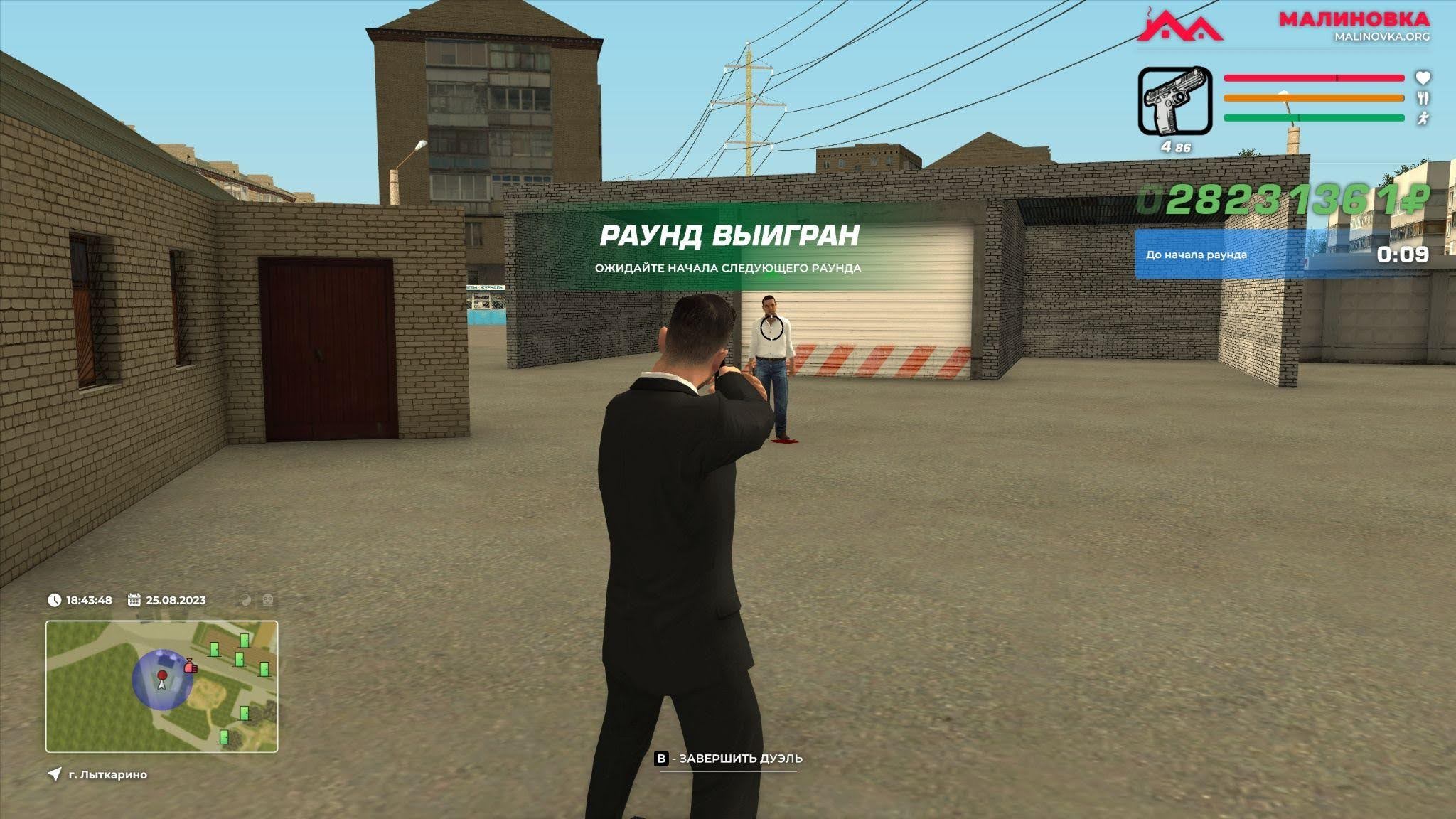
A screenshot from the online game “Malinovka.” Courtesy of Nikita Nosov
How a Player’s Idea Becomes a Feature
The community proposes new mechanics constantly. Popularity in a discussion thread does not prove that an idea fits the game, so the team first examines the proposal and then tests it in practice.
One such case followed the release of the territory capture system, in which player groups fight for control of areas on the map. A player suggested adding a leaderboard for the strongest participants.
The team approved the idea. The leaderboard solved a clear problem: it let players display achievements, compare results, and compete for the top positions. The audience took to it, and the team carried the same principle into later updates.
The Numbers Show the Effect, the Players Find the Cause
The in-game economy covers earnings, purchases, item trading, and the accumulation of property. The team tracks not only the total volume of money but its movement: where the currency comes from, which groups accumulate it, and which mechanics take it back out.
In 2023 an update introduced a long-haul trucking job. The pay turned out to be far too high, and players could earn more than a million units of in-game currency per hour.
Some users found out that the mechanic was behaving incorrectly and reported it to the team. Others chose to stay quiet and kept using it.
Metrics register the abnormal movement of currency. Explaining the cause, however, is often faster with the reports from players and with a look at how different segments of the audience actually use the mechanic.
Why People Come Back Years Later
A newcomer arrives because of an advertisement or a specific mechanic. Several years in, the reasons are different: property, friends, standing in the community, reputation, achievements, and memories of events they took part in.
One player led a police organization for more than a year. Over that time he became a recognizable figure in the community and a recurring subject of its memes. The team built the organization and the rules it runs on. The reputation of that particular person was built by his relationships with other players.
Nosov tested the same conclusion against data. In 2023 he published a study on user retention and the player lifecycle in the academic journal Current Research (Aktualnye Issledovaniya). His own product supplied the material.
The central point of the paper matches the team’s daily practice. A newcomer and a player with several years of history are at different stages of their relationship with the product. They cannot be analyzed as one group: a single combined metric blends the stages together and explains little about why people stay or leave.
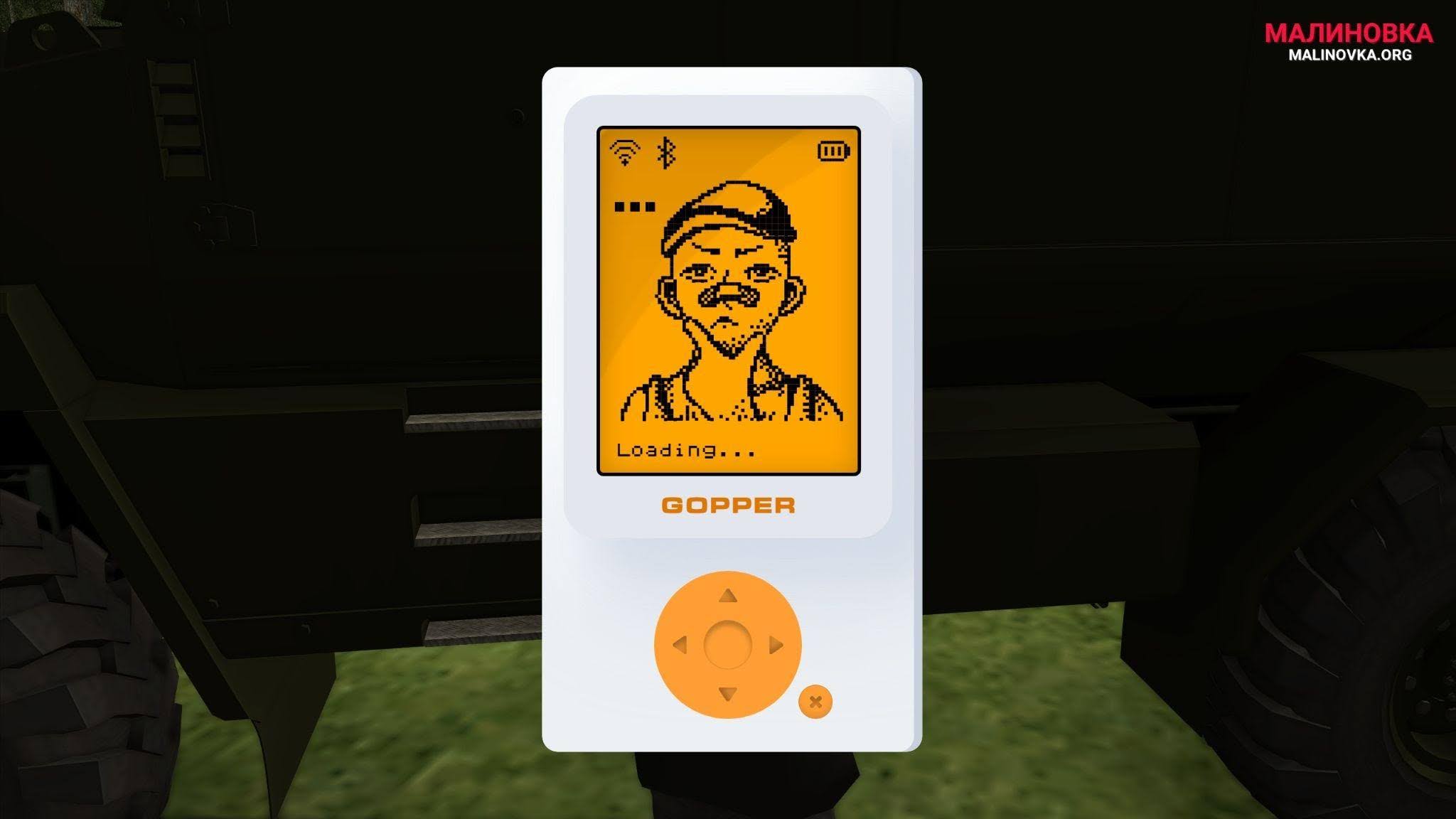
A screenshot from the online game “Malinovka.” Courtesy of Nikita Nosov
147 Applications, Seven Industries, Ten Winners
The BRIDGE TECH CONTEST, a national technology competition in Russia, ran from December 2022 to April 2023. The organizers were selecting builders of technology products, founders, and developers across seven industries: IT, blockchain, artificial intelligence, finance, education, games, and the creative industries.
The competition was held entirely online. The organizing committee received and processed 147 applications from companies and individual specialists at various stages of development.
Nosov joined the jury panel. Together with the other experts he selected 20 finalists and then determined the ten winners. Voting was conducted online.
The composition of the jury indicates how selective the process was:
- Ammar Al-Ansi — head of the FRACTAL venture fund;
- Valery Lisay — a specialist in high-load systems who has worked with Russia’s largest technology companies, and CTO of the AI startup Lookverse;
- Vladimir Stishkin — AR/VR architect at Softline Digital, previously head of AR/VR at Gazprom Neft;
- Vyacheslav Beresnev — executive director of AI & IT lab Z-union and of the Association of Artificial Intelligence Laboratories;
- Nikita Gribkov — CEO of Accelerator of Opportunities at the Moscow State University science and technology park;
- Alexander Kraas — CEO of FriendWork;
- Denis Ermilov — client services director at Cinimex.
The winners included WATTS Battery in the IoT category, VRCast in AR/VR, SkyTrainer in EdTech, Yoka-Soft for best AI product for business, RobArt in ArtTech, and five further participants.
Nosov was invited to the jury as a practitioner with experience in games and development. He assessed projects from industries he does not work in himself, which is a separate professional task.
“A presentation almost always shows you what a product does today. It far more rarely shows you what will happen to it in two years,” Nosov says. “That is what I was looking for.”
Arthur Anisimov, head of the competition’s organizing committee, made a point of noting Nosov’s contribution to the selection of the winners.
Earlier, in 2019, the project received the Time of Innovations award in the Platform of the Year category, under IT and Digital Technologies. The certificate names Nosov as the founder and developer of the game.
How to Measure a Product That Lasts
An audience of that size does not appear on launch day. It accumulates through years of work after it.
Behind that lies no single decision but a combination of roles. The person making product decisions also manages the game’s economy and also studies user behavior in published research.
The path from observation to a change in the product is shorter here than at a company where those functions sit in separate departments.
Expertise of this kind is needed outside his own project as well. The invitation to judge a national competition followed directly from the fact that Nosov walked the whole path himself: from technical work on someone else’s project to a product of his own that has been running since 2019.