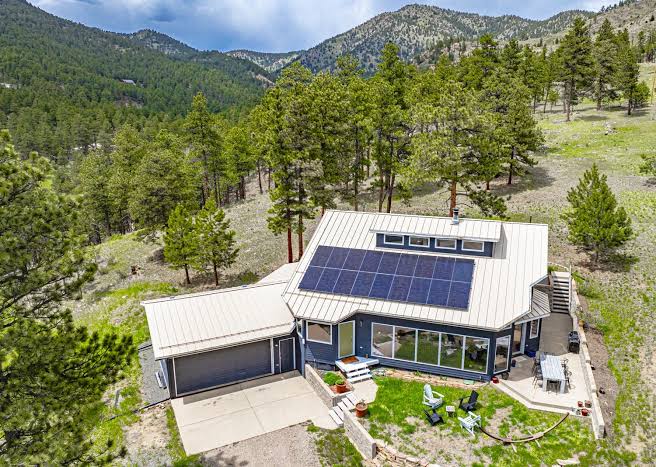
Solar energy has become an increasingly practical investment for homeowners across Arizona’s White Mountains, but producing electricity is only one part of achieving greater energy independence. More residents are now pairing their panels with batteries to store excess power for evenings, outages, and periods of high electricity demand. A grid-tied solar system with battery backup in Snowflake, AZ, allows a home to remain connected to the utility grid while maintaining access to stored energy when it is needed most. This combination offers more flexibility than a standard solar installation that sends unused electricity back to the grid. It can also help households manage changing utility rates, unpredictable weather, and growing electricity needs. For homeowners who want more control over how and when they use solar power, battery storage is becoming a natural next step.
Standard Grid-Tied Solar Has Important Limitations
A traditional grid-tied solar system is designed to work alongside the local utility network. During sunny hours, solar panels generate electricity that can power the home, and excess production may be sent back to the grid. When the panels are not producing enough energy, the household draws electricity from the utility as usual. This arrangement is efficient, but it does not automatically provide backup power during an outage. For safety reasons, most standard grid-tied systems shut down when the grid goes offline. That means homeowners may have solar panels on the roof but still lose power during an emergency.
Battery storage changes that limitation by creating a protected source of electricity within the home. When an outage occurs, the system can disconnect from the grid and use stored energy to power selected appliances or circuits. This process is often automatic, so homeowners may experience little or no interruption. The amount of backup power available depends on battery capacity, household consumption, and system design. Some batteries are intended to support only essential loads, while larger systems may power most of the home. A qualified solar professional can help determine which configuration best matches the homeowner’s priorities.
Power Outages Can Be More Disruptive in Rural Areas
Many White Mountains communities are surrounded by forests, open land, and long stretches of utility infrastructure. These conditions can make power restoration more complicated when storms, high winds, equipment failures, or wildfire-related shutoffs affect the electrical system. Even a relatively short outage can disrupt heating equipment, refrigeration, internet access, well pumps, and medical devices. In rural areas, homeowners may also have fewer nearby resources available during an extended interruption. Battery backup provides a layer of preparedness that does not depend on fuel deliveries or manually starting a generator. It gives families a quieter and more automated way to keep critical systems operating.
The White Mountains also experience conditions that differ significantly from the extreme desert heat associated with lower-elevation Arizona. Winter storms, freezing temperatures, heavy winds, and occasional snowfall can place additional strain on power lines and electrical equipment. A backup battery can help maintain essential power when travel is difficult, or utility crews need additional time to reach affected areas. Homeowners may use stored electricity to keep communication devices charged, operate lights, or support a heating system’s electrical controls. Although a battery cannot guarantee unlimited energy, it can bridge the gap through many common outage situations. That added security is one reason local interest in storage continues to grow.
Battery Storage Helps Homeowners Use More Solar Energy
Solar panels often generate their highest output during the middle of the day, when many homeowners are at work or using relatively little electricity. Without a battery, excess solar production may be exported to the utility grid. A battery allows the system to capture a portion of that unused electricity and save it for later. Homeowners can then use stored solar energy after sunset, when household demand frequently increases. This reduces the amount of electricity that must be purchased from the utility during evening hours. It also allows homeowners to benefit more directly from the energy their panels produce.
Common evening electricity demands may include:
- Cooking and kitchen appliances
- Heating or cooling equipment
- Televisions and entertainment systems
- Computers, routers, and home office equipment
- Water heaters and well pumps
- Electric vehicle charging
- Laundry appliances
- Indoor and outdoor lighting
Battery management software can determine when to store, use, or conserve electricity based on household settings. Some systems prioritize backup readiness by maintaining a reserve level at all times. Others are programmed to maximize savings by discharging during higher-cost hours. Homeowners can often monitor energy production and battery status through a mobile application. This visibility makes it easier to understand daily energy habits and identify opportunities to reduce unnecessary consumption. Greater awareness can improve the overall value of both the solar panels and the battery.
Rising Electricity Demand Is Changing Home Energy Planning
Modern homes use more electricity than they did in previous decades. Remote work, connected devices, larger appliances, electric vehicles, home workshops, and upgraded heating and cooling equipment can all increase household demand. White Mountains homeowners may also rely on electric well pumps, heat tape, security systems, or outbuilding equipment that needs dependable power. A solar battery can support these changing needs by helping balance electricity production and consumption throughout the day. It can also make future home upgrades easier to manage. Instead of viewing solar as a fixed system, homeowners can build a more flexible energy platform.
Electrification is another factor influencing battery adoption. Some homeowners are replacing propane or gas appliances with electric alternatives, while others are adding vehicle chargers or heat pumps. These upgrades may reduce fuel dependence but increase pressure on the electrical system. Solar storage can offset part of that new demand by supplying energy that was generated earlier in the day. The battery may also reduce sudden peaks in grid consumption when several major appliances operate at once. Proper system sizing remains essential, since a small battery may not support every new electrical load. Planning ahead can help homeowners avoid installing a system that becomes undersized within a few years.
Battery Backup Offers an Alternative to Traditional Generators
Portable and standby generators remain useful tools, especially for long outages or properties with very high backup requirements. However, they also require fuel, maintenance, ventilation, and routine testing. Portable models must usually be set up manually, while permanently installed generators may involve additional permitting and equipment. Batteries operate without combustion, which means they do not produce exhaust at the home. They are also much quieter than most fuel-powered generators. For homeowners who value convenience, low noise, and automatic operation, battery backup can be an appealing alternative.
Batteries and generators do not always have to be an either-or decision. Some homeowners choose a battery for short outages and everyday energy management while keeping a generator available for extended emergencies. This layered approach can reduce generator runtime and fuel consumption. The battery may handle overnight loads, while the generator can recharge the system or power larger appliances when necessary. Compatibility varies by manufacturer and system design, so integration should be planned carefully. A solar installer can explain whether a battery-only, generator-only, or hybrid backup strategy makes the most sense.
What a Battery Can Power During an Outage
Backup performance depends on both the battery’s usable capacity and the amount of electricity the home consumes. Essential-load systems typically support a dedicated panel containing the circuits that matter most during an outage. These may include the refrigerator, freezer, lighting, internet equipment, selected outlets, and heating controls. Whole-home backup systems are designed for broader coverage but may require multiple batteries and load management equipment. High-demand appliances can drain stored energy quickly if they are not carefully controlled. Homeowners should decide which loads are truly essential before selecting a system.
Examples of high-consumption equipment include:
- Central air conditioners
- Electric resistance heaters
- Clothes dryers
- Electric ovens and ranges
- Hot tubs and pool equipment
- Large well pumps
- Electric water heaters
- Level 2 vehicle chargers
A well-designed system may automatically prevent certain appliances from operating during an outage. Smart load controls can prioritize essential circuits and temporarily disconnect less important equipment. This helps extend battery runtime without requiring homeowners to constantly monitor usage. Solar panels may also recharge the battery during daylight hours if weather conditions are favorable. However, cloudy skies, snow coverage, or heavy consumption can limit how quickly the battery recovers. Realistic expectations are important when planning for emergency power.
Arizona Sunlight Makes Solar Storage Especially Practical
Arizona receives abundant sunshine, giving solar systems many opportunities to generate electricity throughout the year. Even in higher-elevation communities, strong sunlight can support meaningful solar production during much of the year. Pairing panels with a battery allows homeowners to preserve more of that locally generated electricity. This can be particularly valuable when daytime production exceeds immediate household demand. Instead of allowing all excess power to leave the property, homeowners can keep a portion available for nighttime use. The result is a more complete approach to solar energy management.
Seasonal conditions still influence performance. Shorter winter days reduce available solar production, while snow or debris can temporarily block panels. Summer monsoon clouds may also cause output to fluctuate. A battery cannot create electricity, so it must be charged by solar panels or the grid before it can provide power. System designers typically review roof orientation, shading, household consumption, and weather patterns when estimating expected performance. These calculations help homeowners understand how the system may behave throughout the year.
Financial Considerations for Adding Battery Storage
Battery backup adds cost to a solar installation, so homeowners should evaluate both financial and practical benefits. The total investment depends on battery capacity, electrical upgrades, equipment brand, installation complexity, and whether the battery is added to a new or existing solar system. Some projects may qualify for federal, state, utility, or manufacturer incentives, although eligibility rules can change. Homeowners should verify current programs with a tax professional and an experienced solar contractor. Financing options may also allow the battery and solar panels to be included in one payment. Comparing long-term energy goals is more useful than focusing only on the initial price.
The financial value of a battery may come from several sources. It may reduce grid purchases during expensive hours, increase the amount of solar energy used on-site, and help protect against changing utility compensation policies. Backup power can also prevent losses associated with spoiled food, disrupted work, frozen pipes, or temporary relocation during an outage. These benefits are not always easy to measure in a simple payback calculation. For many homeowners, resilience and convenience carry value alongside direct utility savings. A detailed proposal should explain both projected economics and expected backup performance.
Choosing the Right Battery System
Not every solar battery provides the same features, capacity, warranty, or operating flexibility. Homeowners should compare usable storage, continuous power output, surge capability, expected cycle life, and backup functionality. The battery must also be compatible with the home’s solar inverter and electrical equipment. Some products are easier to expand later, while others require major changes to add capacity. Cold-weather performance and installation location should also be considered in the White Mountains. The installer should recommend equipment that is approved for the expected temperature range and environment.
Questions to ask a solar contractor include:
- How many essential circuits will the battery support?
- How long could it power those circuits during a typical outage?
- Can the battery recharge from solar when the grid is down?
- Is the system expandable in the future?
- What temperature conditions can the equipment tolerate?
- What does the warranty cover?
- Will electrical panel upgrades be required?
- Can the system integrate with a generator?
- What monitoring features are included?
- Who provides service if the battery develops a problem?
Installation experience matters as much as equipment selection. Battery systems involve solar components, electrical panels, transfer equipment, software, and local permitting requirements. Improper design may result in disappointing runtime or limitations that were not clearly explained. Homeowners should request a load analysis rather than relying on a generic estimate. They should also ask for a clear explanation of which appliances will operate during an outage. Transparent planning helps prevent surprises after the system is installed.
Frequently Asked Questions About Solar Battery Backup
Will solar panels work during a power outage?
Standard grid-tied solar panels usually shut down during an outage. A properly designed battery backup system can isolate the home from the grid and continue powering approved circuits.
How long will a solar battery power a home?
Runtime depends on battery capacity and electricity use. A battery may support essential loads for several hours or longer when homeowners limit high-demand appliances.
Can solar panels recharge the battery during an outage?
Many backup systems can recharge from solar while the grid is down. Actual charging depends on sunlight, panel output, battery settings, and household consumption.
Can a battery power an entire house?
It can, but whole-home backup often requires multiple batteries, load management, or careful appliance scheduling. Essential-load backup is usually more affordable and efficient.
Can a battery be added to an existing solar system?
In many cases, yes. Compatibility depends on the inverter, electrical configuration, available space, and the battery technology being installed.
Do solar batteries require maintenance?
Most modern batteries require little routine maintenance. Homeowners should keep the equipment accessible, monitor system alerts, and follow the manufacturer’s service guidelines.
Where should a home battery be installed?
Possible locations include garages, utility rooms, exterior walls, or approved enclosures. The location must meet manufacturer requirements and local electrical and fire codes.
Are batteries useful even when outages are rare?
Yes. Batteries can increase self-consumption, reduce grid use during peak hours, and provide protection from unexpected outages.
Building a More Resilient White Mountains Home
Adding storage to a solar system is about more than keeping a few lights on during an outage. It gives homeowners greater control over when they use solar electricity and how dependent they remain on the utility grid. In communities where weather, distance, and infrastructure can complicate power restoration, control can provide meaningful peace of mind. A battery can support essential equipment, improve everyday energy management, and help a solar investment adapt to future household needs. The best results come from careful system sizing, realistic backup expectations, and professional installation. For White Mountains homeowners seeking a more resilient and flexible energy system, solar battery backup is becoming an increasingly worthwhile option.