
Why White Cars Need Paint Protections Just As Much As Dark-Coloured Cars

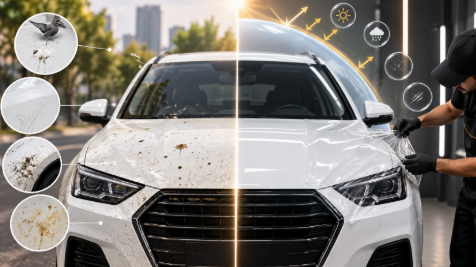
When it comes to vehicle care, one misconception continues to surface repeatedly: that white cars may need paint protection because scratches and dirt are less visible.
At first glance, the belief seems reasonable. White vehicles often hide dust better than black cars. Minor swirl marks may not stand out as much, and everyday dirt can sometimes be less noticeable between washes.
But visibility and protection are two completely different things. Just because damage is harder to see does not mean it isn’t happening. In reality, white cars face many of the same threats as dark-coloured vehicles, and in some cases, certain types of damage can become even more noticeable over time.
Let’s look at why white cars deserve the same level of protection as any other vehicle on the road.
Why Many Owners Assume White Cars Need Less Protection
The popularity of white vehicles has grown significantly over the years. One reason is practicality. Compared with darker colours, white cars often:
- Hide dust more effectively
- Appear cleaner between washes
- Show light swirl marks less prominently
- Stay visually acceptable for longer periods
Because of these advantages, many owners assume paint protection matters less. However, paint damage occurs at a microscopic level long before it becomes highly visible.
A stone chip, bird dropping or chemical contaminant can damage paint regardless of whether the vehicle is white, black, grey or blue. The colour only changes how easily the damage can be seen.
Image alt text: A white Rolls-Royce with its doors open
The Real Threats Facing White Car Paint
Many owners focus only on scratches. In reality, automotive paint faces multiple threats every day. Some of the most common include:
- Road debris
- Stone chips
- Bird droppings
- Tree sap
- Industrial fallout
- Hard water deposits
- UV exposure
- Environmental pollutants
These hazards affect all vehicles equally.
A highway stone chip does not become less damaging simply because it strikes a white vehicle. Similarly, acidic contaminants can gradually degrade clear coat protection regardless of paint colour.
This is why many owners choose car paint protection film solutions to help reduce everyday wear and preserve the original finish.
Damage Doesn’t Discriminate by Colour
One of the biggest mistakes vehicle owners make is confusing visibility with vulnerability. A scratch may appear more obvious on a black vehicle. That does not mean the white vehicle avoided the scratch. The damage is still present.
Over time, repeated exposure to environmental hazards can contribute to:
- Clear coat deterioration
- Surface contamination
- Paint oxidation
- Reduced gloss
- Long-term finish degradation
The vehicle’s colour may influence how noticeable these issues appear, but it does not prevent them from occurring. From a paint preservation perspective, every colour requires protection.
Common Problems White Car Owners Face
White vehicles have their own unique challenges.
Staining and Yellowing
Environmental contamination can sometimes become more visible on white paint than on darker colours. Over time, exposure to pollutants, industrial fallout and neglected contaminants may contribute to discolouration.
Iron Fallout Contamination
Tiny metal particles from brake dust and industrial pollution can become embedded in paint. On white vehicles, these contaminants often appear as small orange or rust-coloured spots. Many owners first notice them after several years of ownership.
Bug and Bird Dropping Marks
While dark-coloured vehicles often show scratches more prominently, white vehicles can reveal stains and etching caused by bird droppings and insect residue. If contaminants remain on the surface for extended periods, permanent marks may develop.
Highway Stone Chips
Stone chips remain one of the most common forms of paint damage. In fact, they can sometimes become highly noticeable on white vehicles because the underlying darker material beneath the paint layer becomes exposed.
How Paint Protection Helps Preserve White Vehicles
Protective solutions are designed to address damage before it reaches the paint itself.
One of the most popular approaches is paint protection film, which creates a transparent barrier over vulnerable painted surfaces.
Areas commonly protected include:
- Front bumper
- Bonnet
- Front fenders
- Side mirrors
- Door edges
- High-impact zones
A quality PPF Film helps absorb minor impacts from road debris while reducing direct exposure to environmental contaminants.
This can help preserve the original factory finish and reduce the likelihood of visible paint damage over time.
For white vehicles that spend significant time on highways or in outdoor parking environments, this added layer of protection can be particularly valuable.
Is Paint Protection Worth It for White Cars?
The answer depends less on colour and more on ownership goals. Paint protection is worth considering if:
- The vehicle is new.
- Long-term ownership is planned.
- Highway driving is frequent.
- Resale value is important.
- The owner wants to preserve factory paint.
The key point is that white vehicles are not immune to paint damage. While some imperfections may be less noticeable initially, the underlying deterioration process remains exactly the same.
Protection decisions should be based on exposure and ownership priorities rather than paint colour alone.
Why More White Car Owners Are Investing in Protection
As awareness grows, more owners are beginning to realise that paint preservation is about preventing damage rather than hiding it.
Modern PPF Car installations are no longer limited to luxury vehicles or dark-coloured finishes.
Owners of white SUVs, sedans and hatchbacks are increasingly investing in protection because they understand the long-term benefits of preserving original paint quality.
After all, a vehicle’s colour may influence appearance, but it does not change the challenges posed by Indian roads, weather and environmental conditions.
Conclusion
White cars may hide certain imperfections better than darker vehicles, but they remain just as vulnerable to paint damage.
Stone chips, contamination, UV exposure, stains and environmental pollutants affect white paint in much the same way they affect any other colour.
The misconception that white vehicles require less protection often leads owners to overlook long-term paint preservation until visible damage begins to appear.
Whether the goal is maintaining appearance, preserving factory paint or supporting future resale value, protection should be based on how a vehicle is used, not simply on its colour.
Because when it comes to automotive paint care, damage doesn’t care whether the car is white, black or anything in between.







Comment