Introduction
Wear and tear remains one of the toughest enemies any pipeline system faces. Whether you’re moving fine powders, coarse ores, or thick slurries, the constant grinding action inside the pipe eventually eats away at the inner surface. In industries that run 24/7—mining, cement plants, power stations, chemical processing—the problem isn’t just annoying; it’s expensive. Thinned walls lead to leaks, ruptures, emergency shutdowns, and skyrocketing maintenance bills. In many cases the cost of a single extended shutdown far exceeds the price of installing better pipe in the first place.
That’s why more operations are turning away from plain carbon steel (or even basic alloys) and toward ceramic-lined wear-resistant pipes. These aren’t just a patch—they’re a serious rethink of how long a conveyance line should last. By bonding extremely hard ceramic tiles or sleeves to the inside of a steel pipe, you get the toughness of steel on the outside and near-unbeatable abrasion resistance on the inside. Service life jumps dramatically, unplanned stops drop, and the whole system becomes more predictable and reliable.
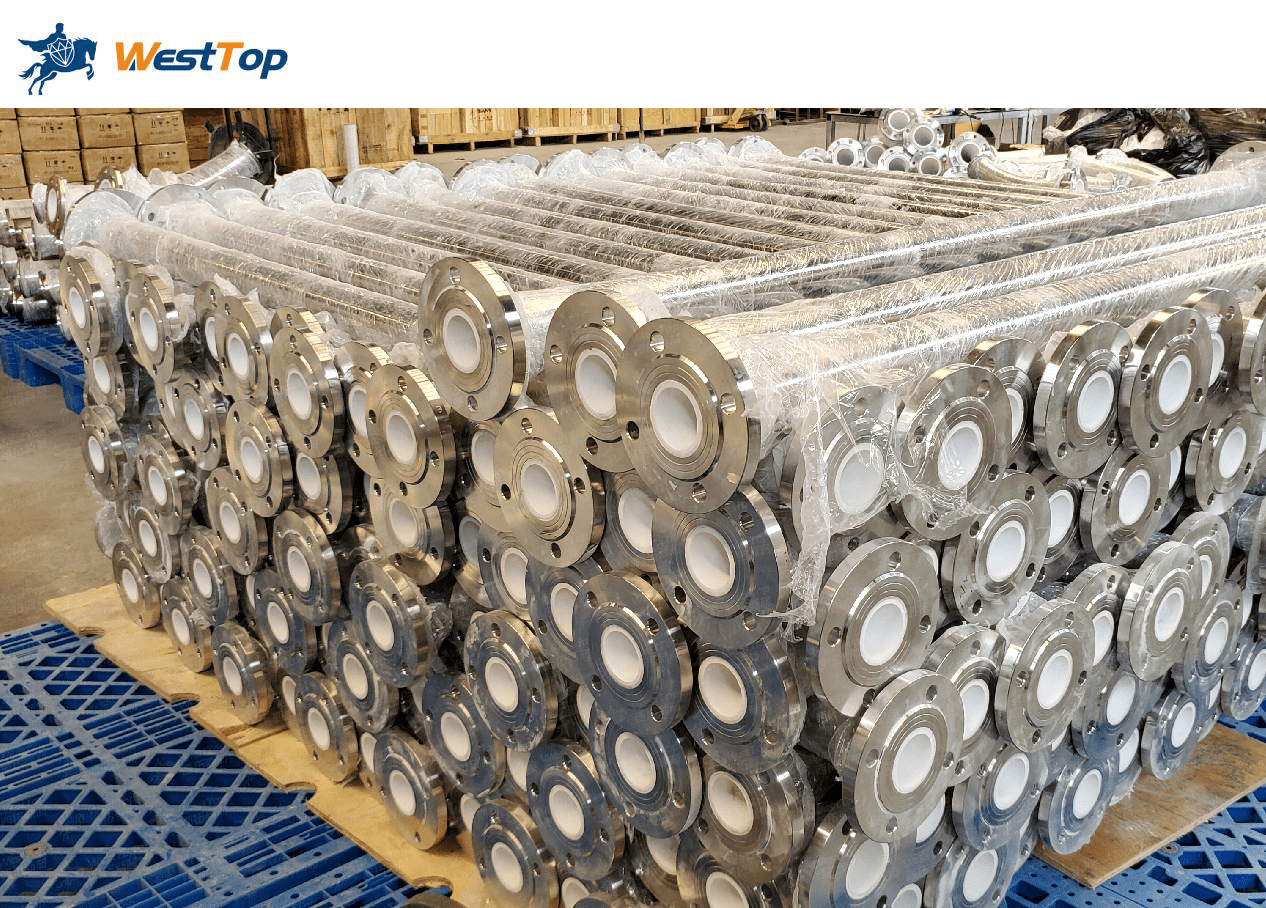
Ceramic-lined wear-resistant pipes have emerged as a practical fix and gained widespread traction. By fitting high-hardness, wear-resistant specialty ceramic liners in key conveyance pipelines, these liners protect pipes from material wear while keeping transport steady. They shield steel pipe inner walls from direct contact with conveyed materials, drastically extending the pipe’s service life. The rising use of these pipes also reflects a shift in manufacturing: businesses are now adopting a lifecycle-focused design philosophy, prioritizing the long-term costs of equipment over just the initial purchase price. As industrial production capabilities advance, ceramic-lined wear-resistant pipe technology is playing an increasingly important role in modern material conveyance systems.
Pipe Material Challenges in High-Throughput Industries
In heavy industries, pipelines rarely get a break. Materials slam through at high velocity: sharp-edged ore particles, slag, clinker, fly ash, chemical slurries—you name it. The harder and faster the particles, the faster they gouge the pipe wall. Elbows, bends, reducers, and tees take the worst beating because that’s where flow direction changes abruptly and impact forces spike.
When solid particles in the material are transported at high speeds, they scrape against pipe walls, wearing away the material little by little through friction. The harder, sharper the particles and the faster they move, the worse the wear becomes. Over time, this leaves permanent damage on pipe surfaces, which in turn increases turbulence inside the pipe. Disordered material movement follows, speeding up erosive wear and cutting the pipe’s service life even further.
Continuous transport amplifies these effects. Unlike batch conveyance, nonstop material flow gives pipelines and equipment almost no time to rest. Pipes are constantly under pressure fluctuations, material impact and temperature changes, making them more prone to wear. What’s more, concentrated wear is common at elbows, bends and transition sections—turning these spots into the system’s most common failure points.
Traditional steel pipes wear predictably but quickly under these conditions. As the surface roughens, turbulence increases, erosion accelerates, and energy consumption climbs. Before long you’re dealing with reduced throughput, higher pumping costs, and the constant threat of a sudden failure. Batch systems might tolerate occasional repairs, but continuous operations can’t afford the interruptions.
What Gives Wear-Resistant Ceramic-Lined Pipes Their Superior Abrasion Resistance?
The magic is in the material itself. Industrial ceramics for pipe linings are predominantly high-purity alumina (Al₂O₃), most commonly in the 92–99% purity range, with some applications using silicon carbide (SiC) for even more extreme conditions.
Typical alumina grades used include 92% Al₂O₃ (density ≈3.60–3.65 g/cm³, Mohs hardness 9, Vickers hardness ≈1000–1200 HV or 10–12 GPa) and higher-purity 95–99% grades (density up to 3.7–3.9 g/cm³, Vickers hardness 1300–1800 HV or 13–18 GPa). These ceramics feature a dense, fine-grained microstructure of alpha-alumina crystals, giving them exceptional resistance to scratching, gouging, and erosive wear. When abrasive particles strike, the surface barely deforms—the particles themselves often fracture or dull instead.
Ceramics also shrug off corrosion. Acids, alkalis, and salty slurries that pit or rust metal have almost no effect thanks to alumina’s chemical inertness and very low solubility in most industrial media. They handle temperatures well over 1000 °C (up to ~1750 °C for high-purity alumina before any phase changes become significant) without softening or degrading, something rubber and many polymers can’t touch. The inner surface stays smooth for years—surface roughness Ra values often remain below 0.5–1 µm even after prolonged service—which keeps flow laminar, cuts friction losses, and prevents localized hot spots of erosion.
For the most punishing applications (extreme high-velocity slurries or very aggressive abrasives), silicon carbide linings sometimes step in. SiC offers even higher hardness (Mohs 9–9.5, often equivalent to 2500–3000 HV) and superior thermal conductivity, though it’s denser in some forms and typically more expensive. Alumina remains the workhorse for most cost-effective, high-wear scenarios due to its excellent balance of performance, availability, and price.
How They Stack Up Against Alternatives
Rubber linings are great for impact absorption and work well in milder, lower-temperature slurries. But throw in sharp, high-speed particles or heat above ~80–100 °C and rubber starts to cut, tear, or harden and crack.
Alloy steels or hardened metal liners do better than plain carbon steel—they resist wear longer and handle moderate heat. But corrosion still creeps in, and once the protective layer is gone, roughness increases and wear snowballs.
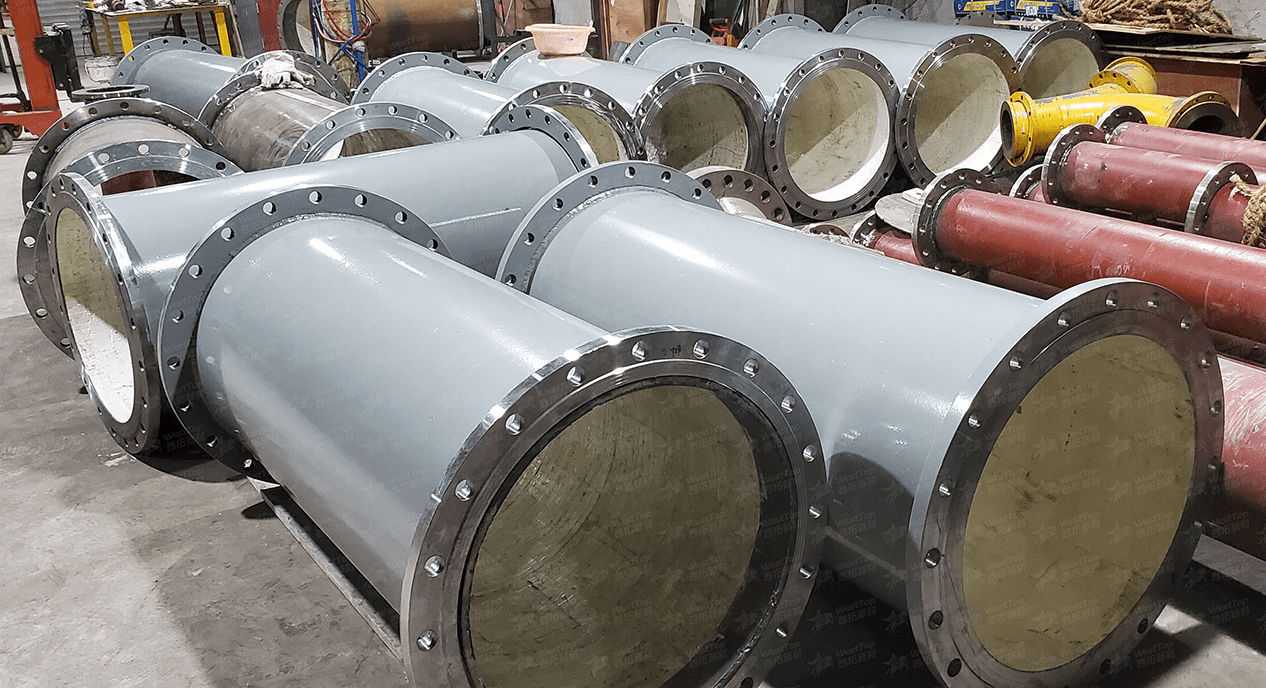
Ceramic linings sit in a different league for severe abrasion. They’re brittle, yes, so they don’t forgive rough handling or heavy external impacts during transport and installation. But once correctly supported and protected from external mechanical damage, they outlast everything else in high-wear, high-corrosion, high-temperature duty. That’s why mines, power plants, and chemical facilities keep switching over.
Each material has its advantages and limitations. As a brittle material, the special ceramics with ceramic-lined wear-resistant pipes have low tolerance to impact, bumps, and severe vibrations during handling and installation, and require standardized and cautious operation procedures. However, when properly installed, they have a longer service life under harsh conditions, and the advantages of temperature resistance also make ceramic linings more competitive, because they can maintain their normal operation under the working conditions of rubber failure and alloy weakening. This is also the reason why more and more industrial production enterprises choose ceramic-lined wear-resistant pipes as pipeline anti-wear solutions.
Smart Design Choices That Extend Life Even Further
Material choice is only half the story. Thickness, tile shape, and attachment method matter a lot. High-wear spots (elbows, pump discharges) get thicker liners or interlocking tiles; straighter runs can use thinner ones to save weight and cost. Attachment options include high-strength adhesives, welding studs, or mechanical dovetail / swallowtail designs for the toughest conditions.
Joints deserve special attention. Misalignment or abrupt steps create turbulence and concentrated wear. Good systems use precision flanges or welded transitions so the inner bore stays flush and smooth.
The shape of the pipe will also affect the life. Because of the sudden change of the flow direction of the fluid, bent pipes, reducer pipes ( big and small head ) and three-way pipes become very easy to wear in the pipeline system. Therefore, when replacing wear-resistant pipes, priority should be given to replacing these areas to ensure that high-wear-prone areas are adequately protected. In some cases, the use of segmented molding ceramic lining or special-shaped ceramic lining can adapt to the complex pipe geometry, so as to ensure the full coverage of ceramics in high wear-prone areas.
By focusing on the design of the pipeline system, we can design corresponding ceramic-lined wear-resistant pipelines tailored to actual working conditions. Through the selection of special ceramic materials ( alumina ceramics or silicon carbide ceramics ), the design of joints ( fixed flanges, movable flanges or welding ) and installation methods ( pasted wear-resistant ceramics, welded wear-resistant ceramics or overall wear-resistant ceramic rings ) etc., we can better design anti-wear products that match the actual working conditions, significantly extend the service life of the pipeline, and reduce the maintenance frequency of the pipeline transportation systems.
Application of wear-resistant ceramic pipe in mine slurry transportation
Slurry transport is probably the harshest test. Crushed ore mixed with water creates a sandblaster inside the pipe. Traditional steel lines in tailings, hydrocyclone feeds, or long-distance concentrate lines wear through in months. Ceramic-lined versions routinely run 5–10× longer (sometimes much more) before needing attention—with real-world data often showing alumina linings achieving wear rates 150–260 times lower than manganese steel equivalents.
Traditional steel slurry pipes thin out quickly from abrasion and erosion, leading to frequent pipe failures. This forces mining operations to deal with unplanned maintenance and production shutdowns. By contrast, wear-resistant ceramic pipes have a smooth, stable inner surface that resists constant particle contact. Their high hardness prevents cutting and scratching, even after years of continuous use.
Real-world mining applications prove that ceramic-lined pipes drastically extend maintenance intervals. Areas that once needed frequent pipe replacements can now run for long stretches without any intervention. This reliability is especially valuable at remote mining sites, where maintenance access is limited and downtime costs are sky-high.
High-impact zones for particle contact—such as elbows and pump discharge areas—benefit the most from ceramic protection. By keeping the inner surface smooth, ceramic pipes cut down on turbulence and minimize local erosion, ensuring consistent conveyance and boosting system efficiency. Ceramics also offer strong chemical resistance in slurry applications: their chemical inertness prevents corrosive degradation and pitting on the pipe surface, keeping the liner smooth even when exposed to corrosive substances. Metal pipes, on the other hand, corrode easily, which increases surface roughness and speeds up wear.
Beyond mining slurry conveyance, ceramic-lined pipes also perform extremely well in chemical processing. In chemical plants, material purity is critical—and ceramic liners don’t leach contaminants into conveyed materials, helping protect product quality and process control. Their resistance to abrasion and corrosion lets them work reliably under complex operating conditions.
These advantages make ceramic-lined pipes the ideal choice for harsh environments where chemical corrosion and mechanical abrasion coexist. Ceramic pipe solutions address multiple material degradation issues at once, helping facilities extend equipment service life and achieve more stable operations.
Installation, Handling, and Maintenance Tips
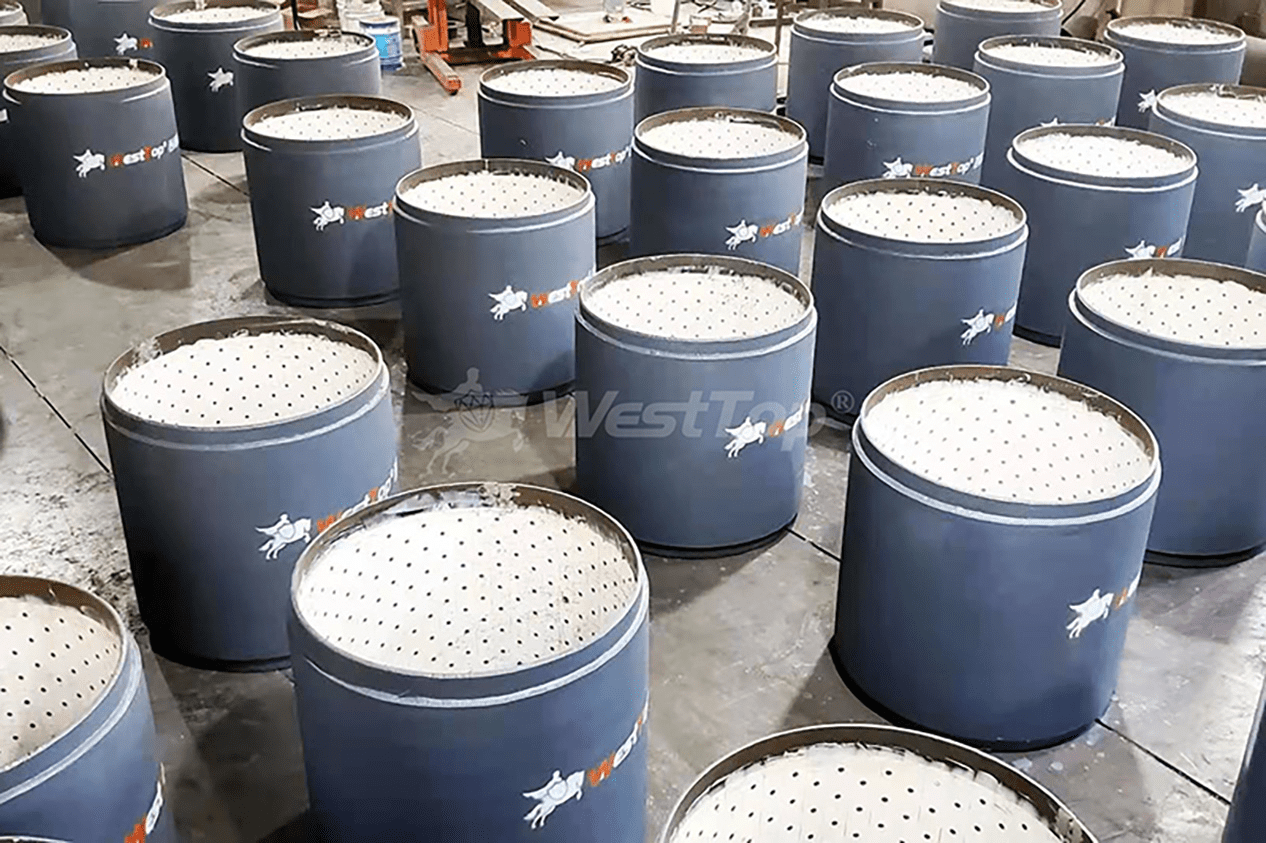
Ceramics are tough but not indestructible. Handle pipes carefully: use slings that distribute load evenly, avoid dropping or banging them, and minimize vibration during transport.
During installation, perfect alignment is non-negotiable. Even a small mismatch at a joint creates a ledge that turns into a wear hotspot. Use the manufacturer’s recommended torque for flanges and check for full contact.
Maintenance is straightforward: periodic visual inspections for chips, cracks, or loose sections, plus checking bolts and supports. Wear is slow and even, so you can schedule replacements rather than react to sudden failures.
Economic Value: Less Downtime, Fewer Replacements
Yes, ceramic-lined pipe costs more upfront. But look at total ownership cost. Far fewer replacements, minimal unplanned downtime, lower labor and safety overheads, reduced energy bills from smoother flow—the numbers usually favor ceramics in abrasive applications within 1–3 years.
Replacement frequency is another huge cost saver. A longer service life slashes both material costs and the labor hours needed for pipe swaps. That lets facilities put their resources where they matter—on core production work—instead of constant reactive maintenance.
Pipe cost data across every industry tells the same story: ceramic solutions deliver a higher ROI in high-wear applications. Prioritize durability and reliability with ceramic-lined pipes, and you’ll keep operations running efficiently and your finances steady for the long run.
What’s Coming Next
Engineers keep pushing the envelope. Hybrid liners (ceramic tiles embedded in rubber or backed by impact-resistant layers) combine abrasion resistance with better toughness against big lumps or mechanical shocks. Improved adhesives and welding methods make field installation easier and more reliable. Advances in forming let us create custom liners for odd geometries that used to be impossible to protect fully.
Better installation techniques and tweaked ceramic material formulas have also made these pipes more reliable out in the field. These updates focus on making adhesive bonds stronger and installation simpler for on-site crews. As these tech innovations keep coming, ceramic-lined pipes are finding their way into more and more applications. Ceramic engineering keeps advancing, so these solutions always keep up with what modern industry needs.
Final Thoughts
Abrasion is a constant headache for material conveyance systems, and the fix needs to balance durability, efficiency and long-term value. That’s exactly what ceramic-lined wear-resistant pipes bring to the table. With their unbeatable wear resistance, corrosion resistance and heat stress resistance, they’re now a staple in heavy industries like mining, power generation and chemical processing—proving they’re versatile and you can count on them, no matter the conditions.As business demands go up, picking the right pipe material strategically gets even more important. A pipe system built to last cuts down on maintenance burdens and boosts overall production efficiency.
Abrasion isn’t going away, but neither is the pressure to keep plants running longer, safer, and cheaper. Ceramic-lined pipes aren’t a luxury anymore—they’re becoming the smart default for anyone serious about minimizing wear-related headaches. If your operation is bleeding money on frequent pipe changes or fighting corrosion and erosion at the same time, it’s worth taking a hard look at these systems. Done right, they deliver quieter, more stable production and a much healthier bottom line over the long haul.