Why Sustainable Commercial Construction Is Becoming More Popular

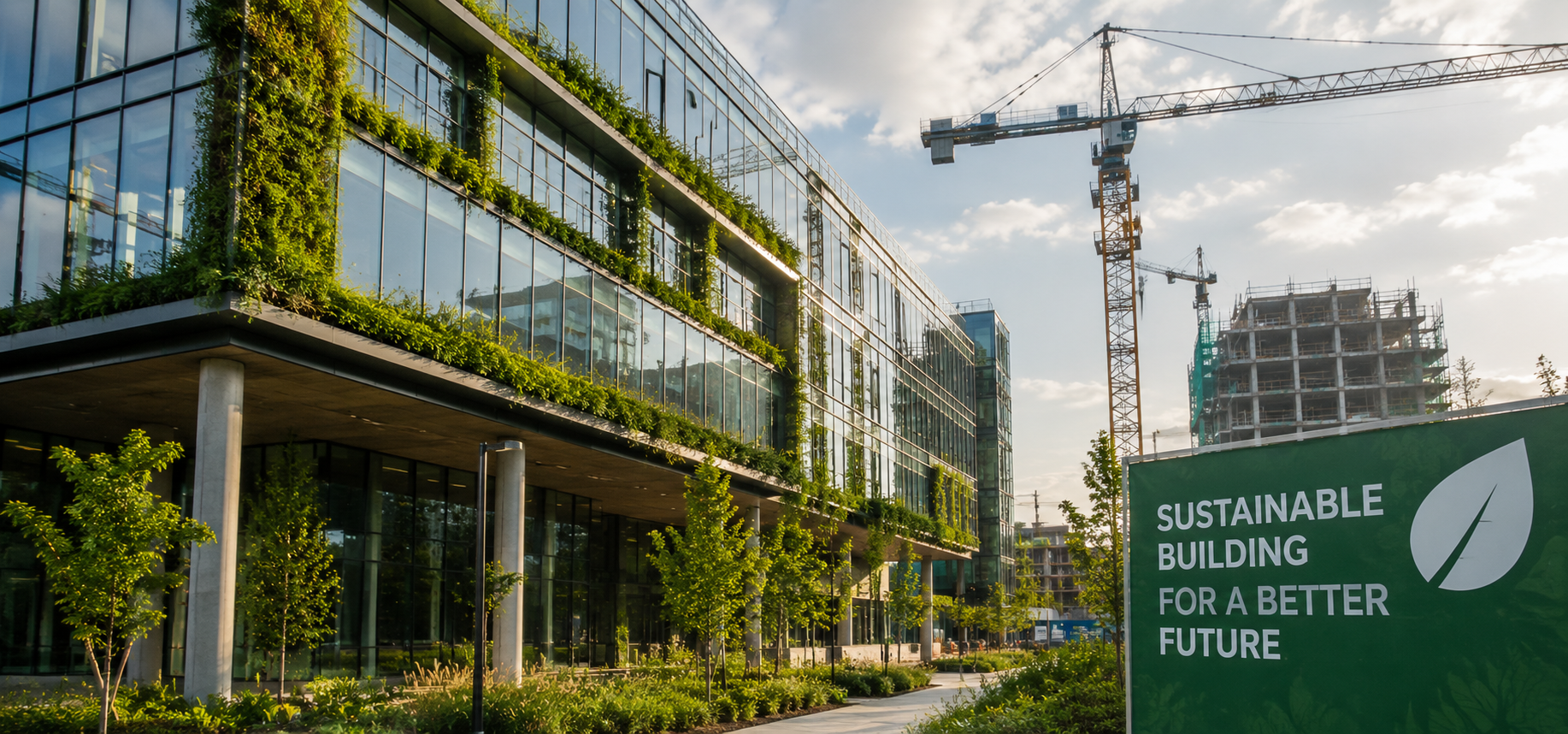
Sustainability has become one of the biggest drivers of innovation in the commercial construction industry. Businesses, developers, and property owners are increasingly looking for ways to reduce environmental impact while creating buildings that are more efficient, cost-effective, and resilient. What was once considered a niche approach has quickly become a mainstream priority for commercial construction contractors in Ontario projects across the province and beyond.
From office buildings and retail centres to industrial facilities and healthcare spaces, sustainable construction practices are helping organizations lower operating costs, meet environmental goals, and create healthier environments for occupants.
If you’re planning a new commercial build or major renovation, here’s why sustainable commercial construction continues to gain momentum.
Lower Long-Term Operating Costs
One of the primary reasons businesses invest in sustainable construction is the opportunity to reduce operating expenses.
Although some green building features may require a larger upfront investment, they often generate significant savings over the life of the building.
Energy-efficient commercial buildings typically consume less electricity, natural gas, and water, resulting in lower monthly utility bills.
Examples of cost-saving features include:
- High-performance insulation
- Energy-efficient windows
- LED lighting
- Occupancy sensors
- Smart HVAC systems
- Low-flow plumbing fixtures
- Building automation systems
Over time, these efficiencies can produce substantial financial savings while helping offset the initial construction investment.
Growing Demand for Energy Efficiency
Energy costs continue to fluctuate, making efficiency an increasingly important consideration for commercial property owners.
Modern commercial buildings are designed to use energy more effectively through improved insulation, advanced mechanical systems, and intelligent building controls.
Common energy-efficient technologies include:
- Variable refrigerant flow (VRF) HVAC systems
- Heat recovery ventilation
- High-efficiency boilers
- Solar-ready infrastructure
- Advanced building controls
- Daylight harvesting systems
These systems reduce unnecessary energy consumption while maintaining comfortable indoor environments for employees and customers.
Businesses Are Prioritizing Environmental Responsibility
Many organizations have established environmental, social, and governance (ESG) initiatives that include reducing carbon emissions and improving sustainability.
Constructing environmentally responsible commercial buildings supports these corporate objectives while demonstrating a commitment to sustainable business practices.
Companies increasingly recognize that customers, investors, and employees value organizations that actively reduce their environmental footprint.
Sustainable construction allows businesses to align their facilities with their broader environmental goals.
Healthier Indoor Environments
Sustainable buildings are designed with occupant health and wellness in mind.
Features that improve indoor environmental quality can contribute to greater employee comfort, productivity, and satisfaction.
Examples include:
- Improved indoor air quality
- Increased natural lighting
- Low-VOC paints and finishes
- Better ventilation
- Acoustic control
- Temperature consistency
Healthier work environments may also help reduce employee absenteeism while creating a more enjoyable workplace.
Stronger Property Value
Sustainable commercial buildings are becoming increasingly attractive to buyers, tenants, and investors.
Energy-efficient properties often command higher occupancy rates because businesses recognize the long-term value of lower operating expenses and modern building systems.
As environmental standards continue to evolve, buildings designed with sustainability in mind may retain their value more effectively than older, less efficient properties.
Investing in sustainable construction today can help future-proof commercial real estate investments.
Government Regulations Continue to Evolve
Building codes and environmental regulations continue to place greater emphasis on energy efficiency and sustainability.
Commercial construction projects increasingly incorporate features that exceed minimum code requirements to prepare for future regulatory changes.
These may include:
- Improved building envelopes
- Enhanced insulation
- Efficient lighting systems
- Renewable energy readiness
- Water conservation measures
Designing for future compliance can reduce the need for costly upgrades later.
Advances in Sustainable Building Materials
The construction industry now has access to a wider range of environmentally responsible materials than ever before.
Many modern building products offer improved durability while reducing environmental impact.
Examples include:
- Recycled steel
- Sustainably harvested wood
- Recycled concrete aggregates
- Low-carbon concrete
- Recycled insulation
- Low-emission flooring
- Environmentally friendly roofing systems
Many of these materials perform as well as—or better than—traditional alternatives while contributing to more sustainable construction practices.
Smart Building Technology Supports Sustainability
Technology plays a major role in improving building efficiency.
Smart building systems continuously monitor and optimize building performance using real-time data.
Examples include:
- Automated lighting controls
- Smart thermostats
- Occupancy sensors
- Energy monitoring software
- Water usage tracking
- Predictive maintenance systems
These technologies allow property managers to identify inefficiencies, reduce waste, and improve overall building performance.
As building automation continues to evolve, sustainability becomes easier to manage throughout the life of the property.
Sustainable Buildings Appeal to Modern Tenants
Many businesses actively seek office, retail, and industrial spaces that support their own sustainability initiatives.
Energy-efficient commercial buildings often provide benefits such as:
- Lower utility expenses
- Improved employee comfort
- Modern workplace amenities
- Reduced environmental impact
- Enhanced corporate image
Developers who prioritize sustainable construction may gain a competitive advantage when attracting long-term tenants.
Reduced Environmental Impact
Perhaps the most obvious benefit of sustainable commercial construction is its positive effect on the environment.
Traditional construction can generate significant waste and consume large amounts of energy and natural resources.
Sustainable construction seeks to minimize environmental impact through practices such as:
- Reducing construction waste
- Recycling demolition materials
- Using responsibly sourced materials
- Conserving water
- Improving energy efficiency
- Reducing greenhouse gas emissions
Many contractors now implement waste diversion programs that recycle materials such as steel, concrete, wood, cardboard, and drywall whenever possible.
Improved Building Resilience
Sustainable buildings are often designed with durability and long-term performance in mind.
High-quality building envelopes, efficient mechanical systems, and durable materials help buildings better withstand changing weather conditions while reducing maintenance requirements.
This resilience can lower repair costs over time while extending the lifespan of the building.
Businesses benefit from fewer disruptions, reduced maintenance expenses, and greater long-term reliability.
Sustainable Construction Supports Employee Recruitment
Workplace quality has become an important factor for attracting and retaining talented employees.
Modern commercial buildings that prioritize sustainability often include features employees value, including:
- Better air quality
- Comfortable temperatures
- Natural lighting
- Collaborative workspaces
- Outdoor green spaces
- Electric vehicle charging stations
- Bicycle storage
These amenities contribute to a positive workplace culture while supporting employee wellness.
Green Certifications Continue to Grow in Popularity
Many organizations pursue green building certifications to demonstrate their commitment to sustainability.
Although certification is not required to construct an environmentally responsible building, recognized standards provide measurable benchmarks for performance.
Projects may focus on areas such as:
- Energy efficiency
- Water conservation
- Indoor environmental quality
- Sustainable site development
- Responsible material selection
These certifications can strengthen a company’s reputation while providing additional value to building owners and tenants.
Planning for the Future
Sustainable commercial construction isn’t simply about reducing today’s environmental impact—it’s about preparing buildings for tomorrow’s needs.
As technology advances, energy prices fluctuate, and regulations evolve, commercial properties built with sustainability in mind are often better positioned to adapt to future demands.
Features like flexible mechanical systems, renewable energy readiness, smart building technology, and efficient building envelopes allow owners to make future upgrades more easily while protecting the long-term value of their investment.
Planning ahead helps ensure buildings remain functional, competitive, and cost-effective for decades.
Final Thoughts
Sustainable commercial construction is becoming more popular because it delivers benefits that extend well beyond environmental responsibility. From lower operating costs and healthier indoor environments to stronger property values and improved energy efficiency, sustainable building practices provide long-term advantages for businesses, developers, and property owners alike.
As commercial construction continues to evolve, sustainability is no longer viewed as an optional feature—it’s becoming an essential part of modern building design. By working with an experienced commercial contractor and incorporating sustainable strategies early in the planning process, organizations can create commercial spaces that are efficient, durable, and prepared for the future.