
Why Stormwater Management Should Start Before Construction Begins

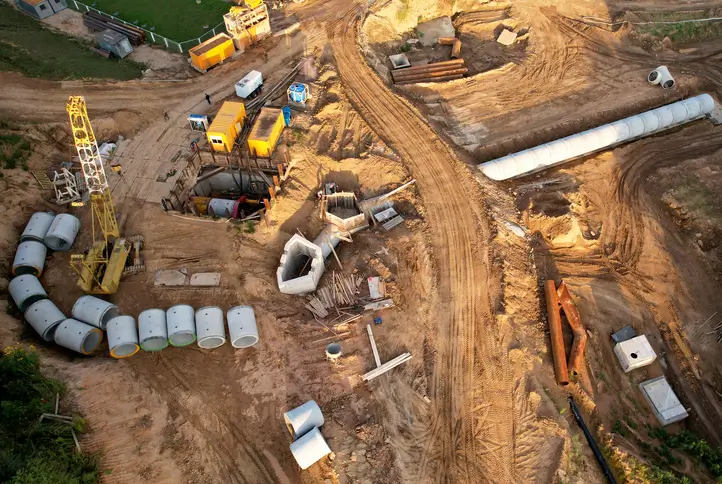
Stormwater management should begin before construction starts because it helps prevent erosion, flooding, sediment runoff, and costly project delays. Planning for rainwater early allows builders and property owners to protect nearby waterways, maintain regulatory compliance, and create sites that perform better over the long term. Waiting until construction is underway often makes stormwater issues more difficult and expensive to correct.
Planning Early Prevents Bigger Problems
Rain may seem like a future concern during the planning phase, but it can quickly become a major challenge once earthmoving begins. Removing vegetation and disturbing soil makes construction sites more vulnerable to erosion and runoff, especially during heavy storms.
By evaluating drainage patterns before breaking ground, project teams can identify areas where water is likely to collect or flow. Early planning also allows engineers to design solutions that minimize erosion while protecting neighboring properties and infrastructure.
Stormwater Affects More Than the Job Site
Poor stormwater management doesn’t only impact the construction project itself. Sediment carried by runoff can clog storm drains, pollute nearby streams, and damage surrounding ecosystems. Excess runoff may also contribute to localized flooding, creating problems for nearby businesses and homeowners.
Simple planning measures can significantly reduce these risks, including:
- Preserving natural drainage where possible.
- Installing erosion and sediment controls early.
- Stabilizing exposed soil quickly.
- Designing effective water management systems.
- Monitoring drainage throughout construction.
These practices often reduce costly repairs while helping projects remain on schedule.
Good Planning Supports Compliance
Construction projects are frequently required to follow environmental regulations designed to protect water quality. The U.S. Environmental Protection Agency provides guidance for stormwater discharges from construction activities, outlining best practices that reduce sediment runoff and protect surrounding waterways.
Working with experienced professionals before construction begins can also improve project outcomes. Organizations offering geotechnical services in Worcester can help evaluate site conditions, drainage patterns, and soil characteristics so stormwater management strategies are incorporated into the project from the very beginning rather than added later.
In addition, the U.S. Geological Survey explains through its Water Science School resources on runoff and streamflow how rainfall interacts with soil, vegetation, and developed land. Understanding these natural processes helps project teams make more informed decisions before construction starts.
Investing in Preparation Pays Off
Stormwater management is one of the most important parts of responsible site development because it protects both the project and the surrounding environment. Addressing drainage, erosion control, and runoff before construction begins creates a stronger foundation for every phase that follows.By evaluating drainage patterns before breaking ground, project teams can identify areas where water is likely to collect or flow. Early planning also allows engineers to design solutions that minimize erosion while protecting neighboring properties and infrastructure.
Rather than treating stormwater as a problem to solve after it appears, successful projects incorporate it into the earliest stages of planning. That proactive approach often reduces delays, lowers long-term costs, supports environmental stewardship, and helps construction projects move forward with greater confidence and fewer unexpected challenges.By evaluating drainage patterns before breaking ground, project teams can identify areas where water is likely to collect or flow. Early planning also allows engineers to design solutions that minimize erosion while protecting neighboring properties and infrastructure.






Comment