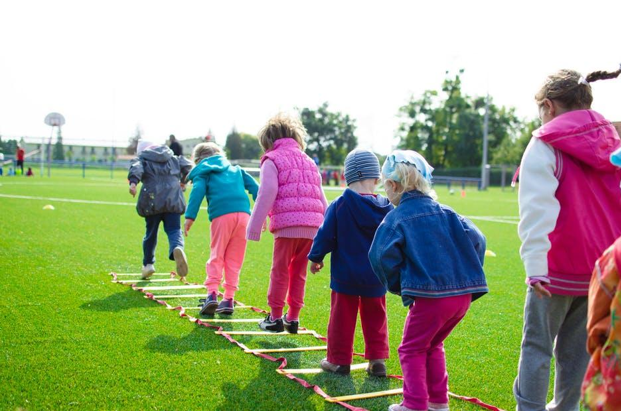
Sports give kids something screens can’t replicate: real movement, real teammates, and real confidence. In a world packed with apps and alerts, playing and practicing offer a reset. The goal is achieving healthy habits, safer choices, and a sense of belonging that sticks.
The Case For Daily Movement
Children need steady activity to grow strong bones, flexible joints, and resilient hearts. Team drills, bike rides, or a quick backyard game all count. What matters is building a routine that kids can repeat without a battle.
Public health guidance is clear that school-aged youth should get around an hour of physical activity every day. A federal summary emphasizes this daily target as a baseline for health. That makes sports a practical way to hit the mark while learning new skills and having fun.
Sports Break the Spell of Screens
It’s easy to lose an afternoon to scrolling. Sports interrupt that pattern with set practice times, active bodies, and human faces. That shift helps kids notice how different they feel after moving.
Reports on social media use describe steady daily time online for children and early teens, and they raise concerns about attention. The simplest antidote is structure: signing up for practices, scheduling pick-up games, or even checking out kids swimming classes by the British Swim School if they enjoy water sports. Even two practices a week can cap casual screen time and make room for better sleep.
Observers have also linked heavy screen use with a constant pull to check updates. Sports add friction to that pull because you can’t scroll while sprinting or passing. The body takes over, and the phone stays in the bag.
Mental Health Needs Are Rising, and How Movement Helps
Families today are navigating higher rates of anxiety and low mood in young people. Kids feel academic pressure, social comparison, and digital FOMO. Sports offer a counterforce by creating progress you can feel and measure.
A recent UK report estimated that a notable share of 7 to 16-year-olds meet criteria for a probable mental health disorder. Know that sports are not a cure, but regular activity can brighten mood, reduce stress, and give hard days a healthy outlet. Coaches can be anchors too, as the adults who notice when a child is off and quietly check in.
Focus, Sleep, and Better Routines
Practice nights bring a natural rhythm to the week. Kids move hard, refuel, shower, and wind down. That sequence makes bedtime smoother and helps mornings run on time.
Movement sharpens attention without feeling like work. Short bursts of intensity prime the brain for learning, while longer sessions teach pacing and patience. Kids pick up self-monitoring skills: when to push, when to breathe, and how to reset after a mistake.
Friendship, Belonging, and Grit
On a team, kids practice showing up for others. They learn how to win with humility and lose with perspective. Those lessons carry into group projects, auditions, and first jobs.
Sports give shy kids or those who don’t like team sports a place to contribute without talking first. Effort is visible in a sprint, a save, or a clean turn. Praise from teammates lands differently when it’s earned through action, and that builds a sturdy kind of confidence.
Character Shows Up in the Small Moments
Tying shoes quickly so warm-ups start on time is character, and so is handing a ball back to the other team after a foul. These tiny choices add up to an identity kids can trust.
Games create controlled stress that teaches calm under pressure. A child who can breathe at the free-throw line can breathe before a test. Reps under watchful eyes turn nerves into routines, and routines into resilience.
Access, Equity, and Making It Stick
Not every family can afford club fees or travel. Communities can widen the door with sliding scales, shared gear closets, and transport support. Schools can protect recess and intramurals so all kids get chances to move.
Parents don’t have to chase elite paths. The aim is weekly activity, friendly faces, and a coach who sets a kind tone. When sports feel welcoming, kids return after setbacks, try new roles, and stay active for life.
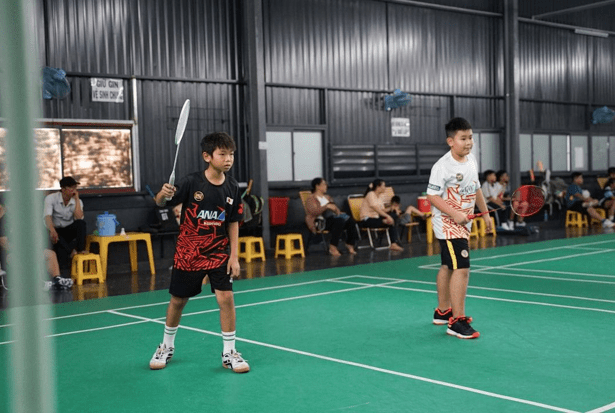
Sports won’t solve every challenge of the digital age, but they tilt the day toward health and connection. With regular movement, caring coaches, and safe spaces to play, kids discover what their bodies can do and who they can count on.
Keep it simple: a practice to look forward to, teammates to meet, a skill to try again tomorrow. That rhythm builds confidence, steadier moods, and better sleep, shaping habits that last long after the final whistle.
Read More From Techbullion