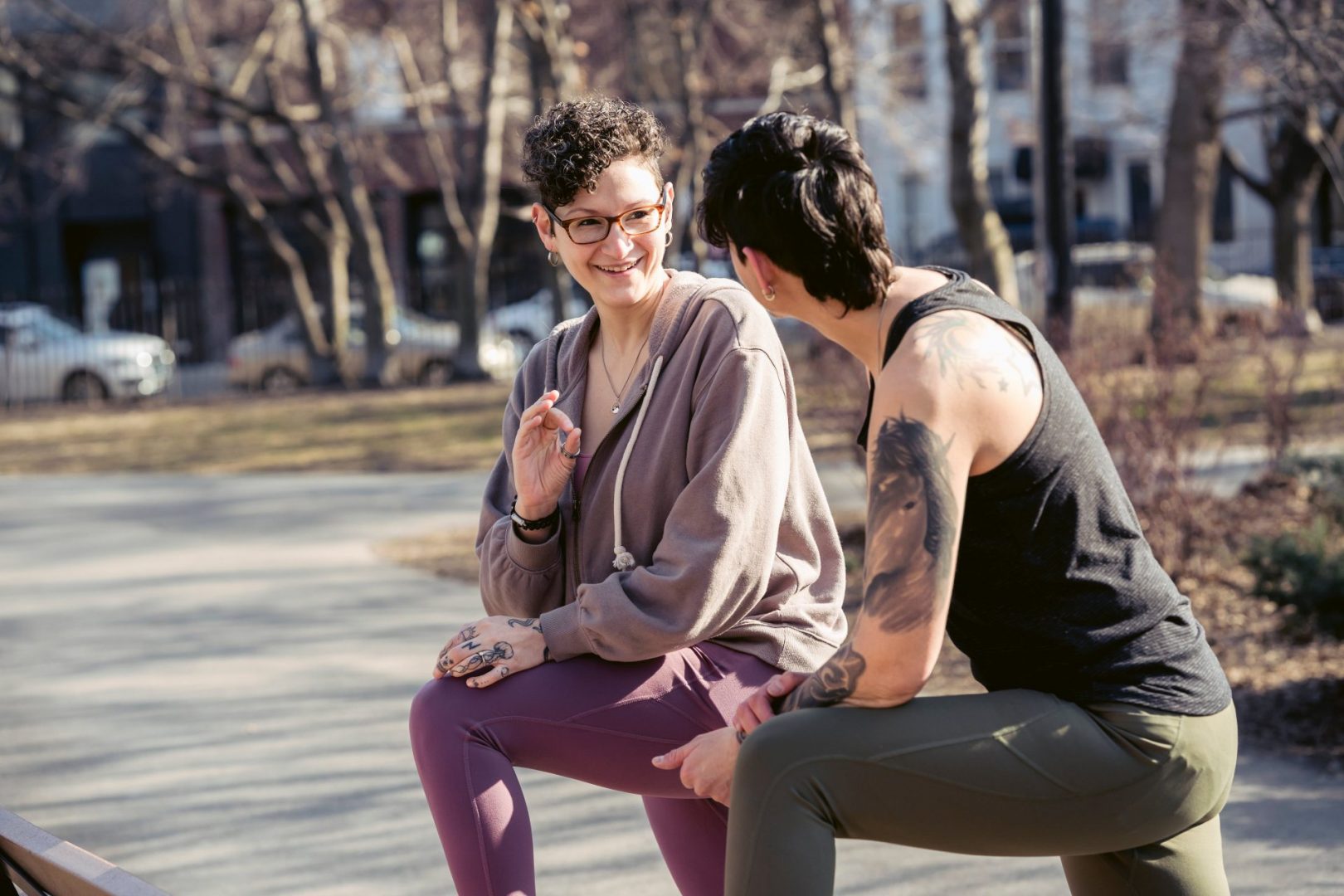
Relationships thrive on shared experiences. While conversations, trips, and quiet evenings all play a role, physical activities offer something slightly different. When couples move, play, and challenge themselves together, they engage on both an emotional and physiological level. Shared physical activity creates connection not just through time spent together, but through cooperation, encouragement, and mutual effort.
One of the strongest benefits of exercising or playing sports together is teamwork. Many physical activities naturally require coordination and communication, whether it is timing a tennis rally, navigating a walking trail, or learning the basics of a new sport. Couples must read each other’s cues, adapt, and respond in real time. These small moments of cooperation reinforce trust and remind both partners that they function best when they work together rather than independently.
Physical activity also changes how the brain responds to shared experiences. Exercise triggers the release of endorphins and dopamine, chemicals associated with pleasure and reward. When these feelings are experienced together, the brain begins to associate positivity with the presence of the other person. Over time, this strengthens emotional bonds and increases feelings of closeness. Even light activity, such as swimming or cycling, can create this effect when done regularly as a pair.
Another key factor is vulnerability. Trying something physical can expose insecurities, especially for beginners. Feeling uncoordinated, tired, or unsure of technique puts both partners in a more open state. When couples support each other through these moments rather than judging or competing, it builds emotional safety. Knowing that your partner encourages you even when you struggle reinforces trust and acceptance, which are foundations of a strong relationship.
Shared activity also helps rebalance relationships that have slipped into routine. Many couples fall into predictable patterns shaped by work schedules, household responsibilities, and digital distractions. Physical activities interrupt this cycle. They require presence and engagement, pulling attention away from phones and daily stressors. Time spent moving together often leads to better conversations afterward, as the mind is more relaxed and open.
Midway through many couples’ journeys toward a more active lifestyle, places like Manor & Ashbury Resorts appeal because they remove logistical barriers and make it easier to focus on shared experiences rather than planning and coordination.
There is also an element of shared achievement that strengthens bonds. Completing a hike, learning a new skill, or simply sticking to a routine together creates a sense of progress as a unit. These small wins matter. They reinforce the idea that challenges can be faced together and overcome through mutual support. Over time, this mindset can spill into other areas of life, such as problem-solving and decision-making.
Physical activities can also soften conflict. Exercise reduces stress hormones like cortisol, which are often elevated during disagreements. Couples who regularly engage in physical activity together may find that tensions ease more quickly and arguments feel less intense. The act of moving together can become a reset button, helping both partners regain perspective and emotional balance.
Importantly, shared activity does not have to mean intense workouts or competitive sports. What matters most is alignment. Walking, yoga, swimming, gentle cycling, or casual games can be just as effective as more demanding pursuits. When both partners enjoy the activity and feel comfortable, the emotional benefits tend to be stronger and more sustainable. Forcing mismatched preferences can have the opposite effect, so choosing activities that suit both personalities is essential.
Consistency plays a role too. Occasional shared activity is enjoyable, but regular participation deepens its impact. Establishing a routine, even once a week, creates a shared ritual that couples can look forward to. These rituals provide stability and continuity, particularly during busy or stressful periods of life.
Ultimately, shared physical activities strengthen relationships because they combine movement, emotion, and connection. They encourage teamwork, build trust, reduce stress, and create positive associations with time spent together. Whether through structured sports or simple movement, couples who stay active side by side often find that their relationship feels more resilient, more playful, and more connected as a result.