
Why SaaS Waste Is A Billion $ Problem And How Automation Is the Answer

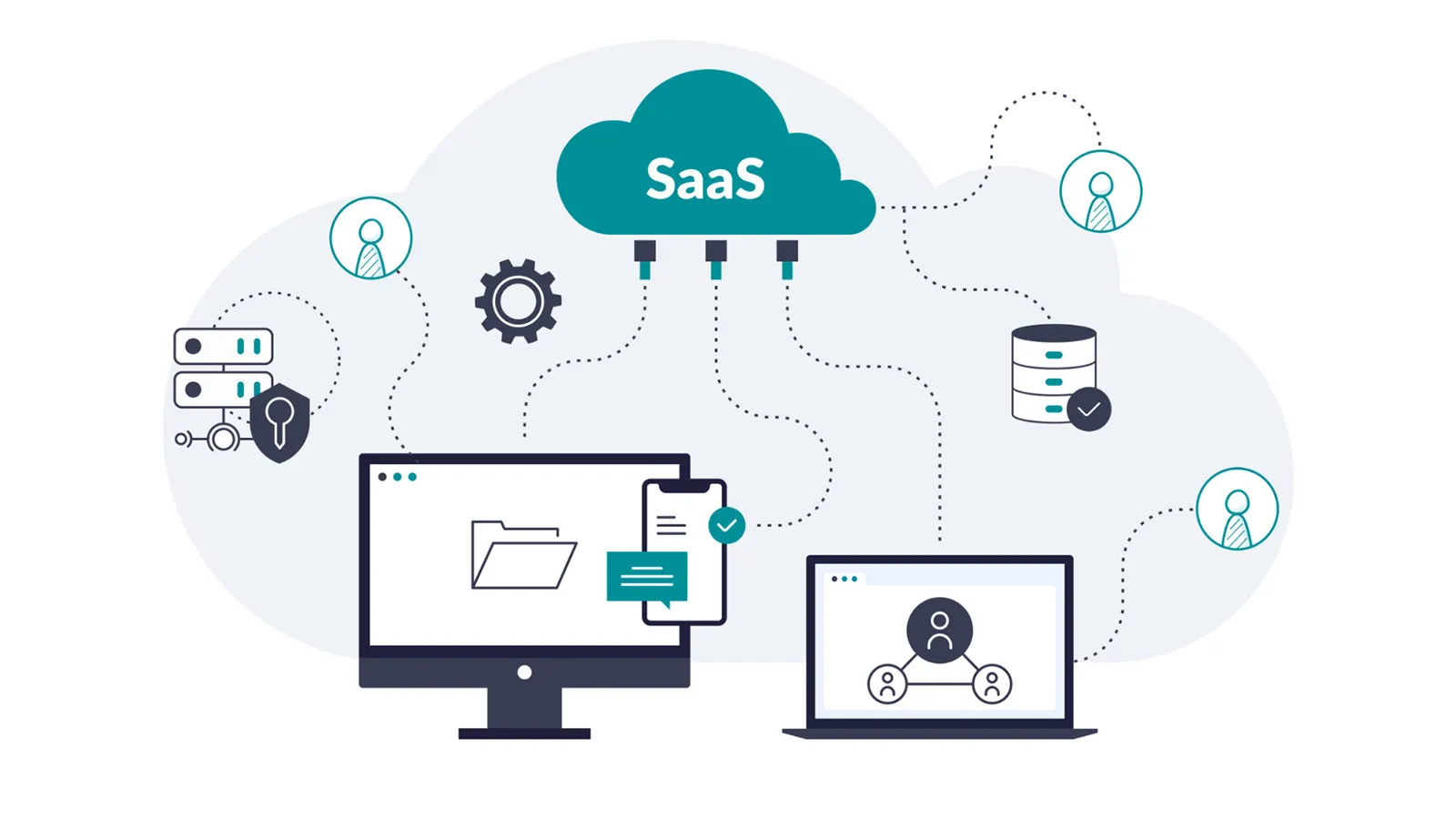
As organisations continue to expand their software stacks, a costly and often invisible problem is draining budgets worldwide: SaaS waste. Industry estimates suggest that billions of dollars are lost annually due to unused licences, duplicate subscriptions, poor visibility, and inefficient onboarding and offboarding processes. Now, automation is emerging as the scalable solution to regain control.
The rapid adoption of SaaS tools over the past decade has empowered teams to move faster and operate more flexibly. However, this convenience has come at a cost. Many companies today manage dozens, sometimes hundreds of SaaS applications across departments, often without centralised oversight. The result is “SaaS sprawl”: overlapping tools, inactive accounts, and recurring charges for software that no longer serves the business.
Finance leaders are increasingly concerned about rising software spend that lacks transparency. IT teams face mounting pressure to secure and manage access across distributed workforces. HR departments struggle with timely provisioning and deprovisioning during employee transitions. In many organisations, spreadsheets and manual audits remain the primary tools for managing SaaS environments, a time-consuming and error-prone approach.
According to recent market analyses, businesses can waste up to 20–30% of their SaaS spend on underutilised or completely unused licences. Beyond financial inefficiency, inactive accounts often referred to as “zombie licences” can also pose security and compliance risks if not properly deactivated.
Automation is increasingly recognised as the only sustainable path forward, and with ever-expanding IT, connectivity and AI technology, management has never been so easy.
By integrating directly with finance systems, HR platforms, and SaaS providers, modern SaaS management platforms provide real-time visibility into licence usage, subscription costs, renewal dates, and access controls. Automated workflows can trigger licence reallocation, cancellation, or deprovisioning the moment an employee changes roles or leaves the company. Advanced analytics help identify redundant tools and optimise subscription tiers.
SaaSi Hub has launched to address this growing challenge head-on. The platform is designed to help organisations centralise SaaS oversight, automate cost-saving workflows, and eliminate wasteful spending all from a single dashboard. By replacing fragmented manual processes with intelligent automation, companies can turn SaaS management from a reactive cost centre into a proactive financial strategy.
“Businesses shouldn’t have to rely on spreadsheets to manage one of their fastest-growing expense categories,” said Michael Cook, founder of the company. “With the right automation in place, SaaS spend becomes measurable, controllable, and optimisable.”
As economic conditions push companies to scrutinise operational expenses more closely, SaaS management is shifting from a back-office concern to a boardroom priority. Organisations that implement automated oversight not only reduce unnecessary spend but also strengthen security posture, improve compliance, and enable smarter software investments.
The era of unchecked SaaS growth is ending. Automation is redefining how companies manage their digital ecosystems transforming SaaS from a source of hidden waste into a driver of efficiency and strategic advantage.
About SaaSi Hub
SaaSi Hub is a SaaS management platform that helps organisations gain full visibility into their software stack, eliminate unused licences, automate onboarding and offboarding workflows, and optimise subscription spend. By centralising control across finance, IT, and HR, the platform enables businesses to reduce waste, improve governance, and maximise the value of their SaaS investments.







Comment