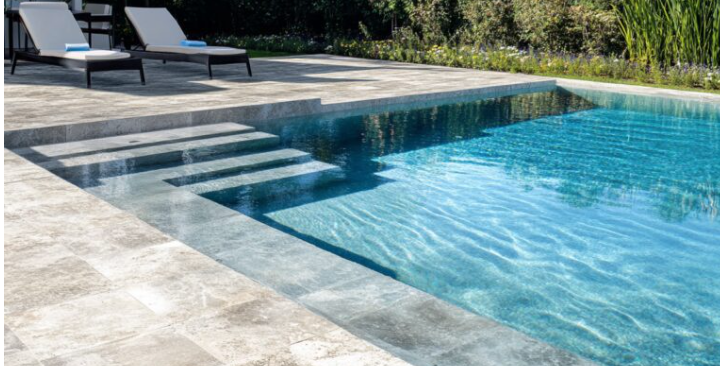
Florida homeowners know that pool decks face constant exposure to sun, rain, humidity, and pool chemicals throughout the year. Over time, these conditions can leave surfaces faded, stained, cracked, or worn, making the entire pool area look outdated and less inviting.
When signs of wear begin to appear, many homeowners assume that a complete replacement is the only solution. However, in many cases, resurfacing can restore the appearance, safety, and functionality of a pool deck without the cost and disruption of a full replacement. This guide explains why pool deck resurfacing is often the smarter choice for Florida properties and when it may be the right option for your outdoor space.
What Is Pool Deck Resurfacing?
Pool deck resurfacing is the process of repairing and renewing the top layer of an existing pool deck. Rather than removing and replacing the entire concrete structure, professionals apply specialized coatings, overlays, or decorative finishes to improve both appearance and performance.
The goal is to give an aging deck a fresh new look while addressing common issues such as surface cracks, discoloration, minor imperfections, and slippery areas. When the underlying concrete remains structurally sound, resurfacing can extend the life of the deck for many years.
Pool Deck Resurfacing vs Replacement
When a pool deck starts showing signs of wear, homeowners often wonder whether resurfacing or replacement is the better choice. The answer depends on the condition of the existing concrete. If the slab remains structurally sound, resurfacing can often restore the deck without the cost and disruption of a full replacement.
| Factor | Pool Deck Resurfacing | Pool Deck Replacement |
| Cost | Typically Lower | Typically Higher |
| Project Time | Faster | Longer |
| Demolition | Not Required | Required |
| Material Waste | Minimal | Significant |
| Design Options | Multiple Colors, Textures & Finishes | Multiple Colors, Textures & Finishes |
| Property Disruption | Lower | Higher |
Resurfacing focuses on repairing and renewing the existing surface using decorative concrete overlays, coatings, and textured finishes. Because the original concrete remains in place, homeowners can improve the appearance and functionality of their pool deck while avoiding demolition.
Replacement is typically reserved for decks with major structural damage, significant settling, severe cracking, or extensive concrete deterioration. When the underlying concrete is stable, resurfacing is often the more cost-effective solution.
Common Pool Deck Problems That Can Be Resurfaced
Many pool deck issues are limited to the surface and do not require complete replacement. When the underlying concrete remains structurally sound, resurfacing can often address problems such as:
- Surface cracks
- Scaling
- Spalling
- Fading from sun exposure
- Staining from weather or pool chemicals
- Worn textures
- Minor surface damage
A professional inspection can determine whether a pool deck is a good candidate for resurfacing or if replacement should be considered.
Why Florida Pool Decks Wear Out Faster
Florida’s climate creates unique challenges for outdoor surfaces, especially around swimming pools.
Intense Sun Exposure
The Florida sun can be harsh on concrete surfaces. Constant UV exposure gradually causes fading, discoloration, and surface deterioration. Over time, pool decks may lose their original color and develop a weathered appearance.
Heavy Rain and Humidity
Frequent rainfall and high humidity levels contribute to moisture-related issues. Water can penetrate small surface imperfections, leading to staining, mold growth, and gradual wear.
Pool Chemicals
Chlorine, saltwater systems, and other pool chemicals can affect surrounding surfaces over time. Repeated exposure may weaken protective coatings and accelerate cosmetic damage.
Daily Foot Traffic
Pool areas often experience heavy use, especially during Florida’s long swimming season. Constant foot traffic can gradually wear down finishes and make surfaces appear older than they actually are.
Significant Cost Savings Compared to Replacement
One of the biggest reasons homeowners choose resurfacing is the potential cost savings.
A complete pool deck replacement typically involves demolition, debris removal, site preparation, new concrete installation, and finishing work. These steps can quickly increase project costs.
Resurfacing eliminates many of those expenses because the existing structure remains in place. Instead of paying for demolition and reconstruction, homeowners invest in improving the surface they already have.
For many properties, this approach delivers impressive results while keeping renovation costs under control.
Preserving a Structurally Sound Deck
Not every aging pool deck needs to be replaced.
In many situations, the underlying concrete remains stable and structurally sound despite surface-level wear and tear. Minor cracks, fading, stains, and worn textures often affect appearance more than functionality.
When the foundation is still in good condition, resurfacing allows homeowners to preserve the existing structure while achieving a dramatic visual improvement.
Replacing an entire deck when only the surface needs attention may result in unnecessary expenses.
Improved Safety Around the Pool
Safety is a major concern for any pool area.
As pool decks age, surfaces can become smooth, slippery, or uneven. This increases the risk of slips and falls, especially when the deck is wet.
Modern resurfacing systems can improve traction and create a more slip-resistant surface. Many decorative coatings are specifically designed for pool environments and provide better grip without sacrificing appearance.
A safer deck benefits homeowners, children, guests, and anyone using the pool area regularly.
Modern Design Options Without Full Replacement
Pool deck resurfacing gives homeowners a simple way to upgrade the look of their outdoor space without going through a full replacement. Instead of removing the existing surface, new finishes are applied to create a fresh and modern appearance.
Homeowners exploring modern pool deck resurfacing options can choose from decorative concrete overlays, textured finishes, stamped concrete designs, and slip-resistant coatings. . From natural stone looks to smooth modern finishes, there are styles available to match almost any home design..
When Pool Deck Resurfacing Makes Sense
Resurfacing is often the ideal solution when the existing deck has cosmetic damage but remains structurally stable.
Common situations include:
- Surface discoloration and fading
- Minor cracks
- Stains from weather exposure
- Worn textures
- Outdated finishes
- Minor surface imperfections
- Slippery areas that need improved traction
In these cases, resurfacing can restore both beauty and functionality without requiring complete replacement.
Is Your Pool Deck a Good Candidate for Resurfacing?
Many pool decks with surface wear can be resurfaced rather than replaced. Your pool deck may be a good candidate for resurfacing if it has:
✓ Minor cracking
✓ Surface discoloration or fading
✓ Staining from weather or pool chemicals
✓ Worn or smooth textures
✓ Structurally sound concrete beneath the surface
A professional inspection can help determine whether resurfacing is a suitable option for your pool deck.
When Replacement May Be Necessary
While resurfacing is effective in many situations, there are times when replacement is the better option.
A full replacement may be necessary if the deck has:
- Major structural damage
- Significant settling or shifting
- Extensive cracking throughout the slab
- Severe drainage problems
- Large sections of deteriorated concrete
A professional inspection can help determine whether the existing deck is a good candidate for resurfacing or if replacement is the safer long-term investment.
What to Expect During the Resurfacing Process
Although specific methods vary by project, most resurfacing jobs follow a similar process.
Surface Preparation
The deck is thoroughly cleaned to remove dirt, stains, debris, and contaminants. Any minor cracks or damaged areas are repaired before resurfacing begins.
Application of the New Finish
Once the surface is prepared, the selected coating, overlay, or decorative finish is applied. Professionals ensure even coverage and proper adhesion.
Texturing and Finishing
Depending on the desired appearance, textures and decorative effects may be added to improve both aesthetics and slip resistance.
Curing
The resurfaced deck is allowed to cure properly before regular use. Once complete, homeowners can enjoy a refreshed and durable outdoor surface.
Maintenance Tips After Resurfacing
Proper maintenance helps maximize the lifespan of a resurfaced pool deck.
Keep the Surface Clean
Regular sweeping and occasional washing help prevent dirt buildup and staining.
Address Spills Quickly
Pool chemicals, sunscreen products, and outdoor food spills should be cleaned promptly to maintain the finish.
Schedule Periodic Inspections
Occasional inspections can identify minor issues before they become larger problems.
Follow Professional Recommendations
Different resurfacing materials may have specific care requirements. Following maintenance guidelines helps preserve appearance and performance.
FAQs
How long does pool deck resurfacing last?
The lifespan varies based on the materials used, installation quality, weather exposure, and maintenance. Many resurfaced pool decks provide years of reliable performance.
Is resurfacing cheaper than replacement?
In most cases, yes. Resurfacing typically costs less because it avoids demolition and reconstruction.
Can resurfacing repair cracks?
Minor surface cracks can often be repaired during the resurfacing process. Larger structural cracks may require additional evaluation.
Does resurfacing improve slip resistance?
Many resurfacing systems include textured finishes that provide better traction around wet pool areas.
Can I change the appearance of my pool deck during resurfacing?
Yes. Homeowners can choose from a variety of colors, textures, and decorative finishes.
What is the difference between pool deck resurfacing and pool deck restoration?
Pool deck resurfacing renews the surface using overlays, coatings, or decorative finishes. Pool deck restoration is a broader process that may include resurfacing, repairs, cleaning, and sealing.
Can a concrete pool deck be resurfaced instead of replaced?
Yes, in many cases. If the concrete is structurally sound and the damage is limited to the surface, resurfacing can often be a practical alternative to replacement.
What is the best pool deck surface for Florida weather?
Many Florida homeowners choose textured overlays and slip-resistant decorative finishes designed to handle sun exposure, rain, humidity, and regular pool use.
Is resurfacing worth it for an older pool deck?
If the concrete remains stable, resurfacing can improve the appearance and functionality of an older pool deck without the cost and disruption of full replacement.