
Why Modern Double-Glazed Sliding Doors Are a Smart Upgrade for Kiwi Homes

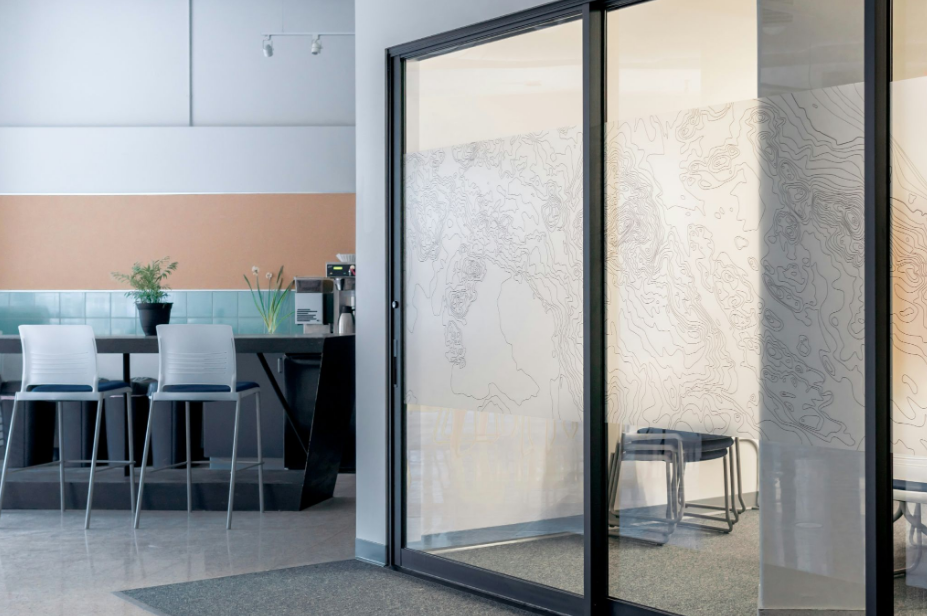
If you’ve lived in New Zealand for more than one winter, you already know the drill. The wind comes off the Cook Strait or rolls down from the Southern Alps, the temperature drops fast, and suddenly that lovely big glass door in your lounge feels less like a design feature and more like a hole in the wall. It’s a familiar complaint among homeowners across the country, and it’s one of the main reasons so many are turning to double glazing when they renovate.
Sliding doors in particular get a hard time. They’re popular because they open up a home, connect indoor and outdoor living, and let in light — all things Kiwis genuinely value given our climate and love of the outdoors. But older single-glazed sliders are notorious for draughts, condensation, and that faint whistle you only notice at 2am in July. Swapping them out for modern double-glazed sliding doors solves most of these problems at once, and does it without sacrificing the openness that made you want sliding doors in the first place.
The Insulation Difference Is Bigger Than You’d Think
Glass is one of the weakest points in any building envelope. A single pane loses heat far faster than an insulated wall, which means a large single-glazed sliding door can undo a lot of the good work your ceiling and underfloor insulation are doing. Double glazing works by trapping a layer of air (or in higher-spec units, an inert gas like argon) between two panes of glass. That gap acts as a buffer, slowing down heat transfer in both directions — keeping warmth in during winter and heat out during summer.
For homes in colder regions like Otago, Canterbury, or the central North Island, this isn’t a minor tweak. It can noticeably change how a room feels, particularly in the evening when temperatures drop and a poorly insulated door starts pulling heat straight out of the house.
Lower Power Bills, Fewer Draughts
Energy prices in New Zealand haven’t been getting any friendlier, and heating is usually the biggest chunk of a household’s winter power bill. When your home is constantly losing warmth through old glass, your heater has to work harder and longer to compensate. Upgrading to a well-sealed, double-glazed sliding door reduces that heat loss, which translates into your heat pump or heater cycling less often.
It’s not just about temperature either. Older aluminium-framed sliders often have worn seals and tracks that let in draughts you can actually feel near the door on a windy day. Modern systems use improved frame designs and better seals, so you get a tighter, more comfortable fit as well as the insulation benefit.
A Genuine Difference for Noise
If you live near a main road, on a corner section, or just have a house full of noisy teenagers, you’ll appreciate this one. Double glazing significantly reduces sound transmission compared to single glazing. The air gap between the panes disrupts sound waves in much the same way it disrupts heat transfer. For homes in busier urban pockets of Auckland, Wellington, or Christchurch, this can be one of the more noticeable everyday benefits — less traffic noise, less noise from neighbours, and a generally quieter home.
Condensation and Mould Control
Condensation on windows and doors isn’t just annoying to wipe up every morning — over time, it contributes to mould growth, which is a genuine health issue in damp Kiwi winters. Condensation forms when warm, moist indoor air meets a cold glass surface. Because double glazing keeps the inside pane of glass closer to room temperature, there’s far less of a cold surface for moisture to condense on. Homeowners who make the switch often report a real drop in the amount of condensation they’re dealing with each morning, which also means less strain on window frames and less risk of mould creeping into the joinery over time.
Style Hasn’t Been Left Behind
One of the myths around double glazing is that it’s bulky or old-fashioned looking. That’s not really the case anymore. Modern double-glazed sliding doors come in slim aluminium and uPVC frame options that keep sightlines clean and glass area maximised — important if the whole point of your sliding door is to open the living area up to a deck or garden. Whether your home leans toward a classic weatherboard look or something more contemporary, there are frame finishes and configurations to match, so you’re not trading performance for aesthetics.
Adding Value to the Home
Double glazing has shifted from a “nice to have” to something buyers actively look for, particularly as awareness of the Healthy Homes Standards and general energy efficiency has grown. A home with double-glazed doors and windows tends to present better on the market, and it signals to potential buyers that the property has been properly maintained and updated. If you’re planning to sell in the next few years, this kind of upgrade tends to pay for itself both in comfort now and in resale appeal later.
Getting It Right
Not all double glazing is equal, and the difference between a well-installed system and a poorly fitted one is significant. Frame material, glass spacing, seal quality, and installation all matter just as much as the glass itself. It’s worth talking to a specialist rather than going for the cheapest quote, particularly for something as central to your home’s comfort as a sliding door. Companies like modern double-glazed sliding doors offer options tailored to New Zealand conditions, which makes a real difference given how varied our climate is from region to region.
The Bottom Line
Double-glazed sliding doors aren’t just an aesthetic upgrade — they touch almost every part of what makes a home comfortable: temperature, noise, moisture, and even resale value. For a country where the weather can turn in an afternoon and heating costs keep climbing, it’s an upgrade that quietly pays for itself, season after season.







Comment