Key Takeaways
- Book Stikine River tours between June and August, when snowmelt raises river height enough for guides to reach shifting gravel bars and channels safely.
- Expect the hooligan run and peak eagle activity early in this window — the delta’s wildflower bloom and waterfowl migration follow close behind.
- Understand that Chief Shakes Hot Springs access isn’t guaranteed on any river tour; it depends entirely on water levels that day, not the calendar.
- Plan for a 3.5 to 4-hour run on a shallow-draft jetboat, and know that bathroom access varies by vessel — ask ahead if that matters to your group.
- Pack layers no matter the forecast — cold wind off Shakes Glacier and warm afternoon sun on the delta can both happen in the same trip.
- Choose a guided river run over a self-planned attempt; local captains read rocks, logs, and channel changes that aren’t visible from a map.
Ask ten river captains when to run the Stikine, and nine will give you the same three months. There’s a reason for that. By late May the snowmelt is pushing hard out of the Coast Range, and by June the river’s finally settled into a rhythm that makes navigation predictable instead of a guessing game. That window — June through August — isn’t just convenient. It’s the difference between a smooth run past Shakes Glacier and a trip cut short by a gravel bar nobody saw coming.
Stikine River tours live and die by water height, plain and simple. Too low, and channels that were passable last week are dry rock this week. Too early, and half the wildlife hasn’t shown up yet. Run it in summer, though, and the eagles are working the delta, the hooligan are running, and the hot springs might even be reachable. Here’s what actually makes those three months the smart bet.
What Makes the Stikine Different From Any Other Southeast Alaska Waterway
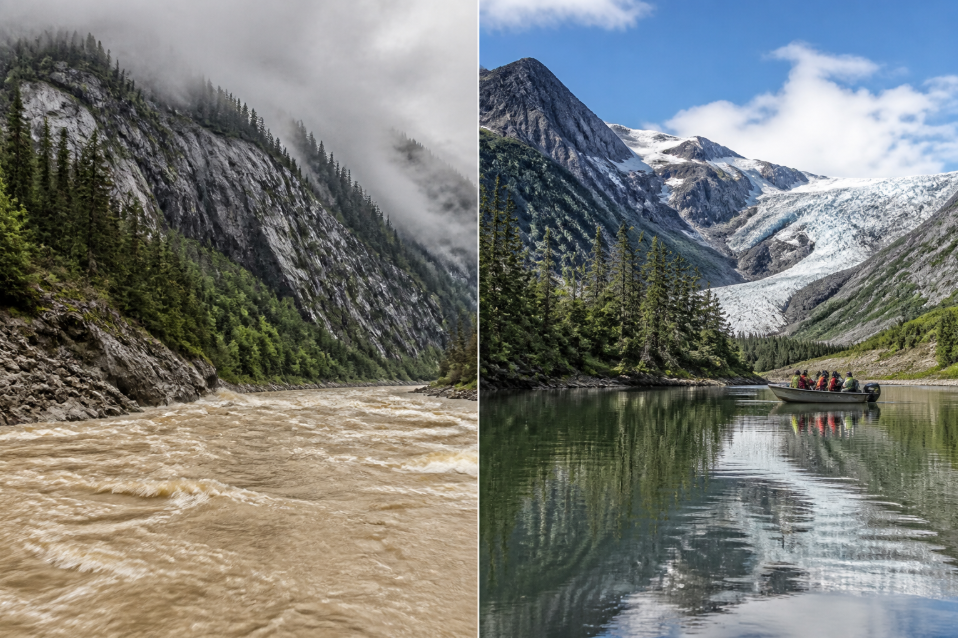
Picture a jetboat idling at a gravel bar at seven in the morning, the captain reading the water like a page of text before nudging the throttle forward. That’s a normal Tuesday on this river. Unlike the ocean routes around Wrangell, the Stikine moves — literally. Its channels rearrange themselves every season as snowmelt and glacial silt reshape the bottom, which is exactly why Stikine River tours depend on someone who’s run the same stretch a thousand times, not just a boat with a strong motor.
Shifting Channels, Gravel Bars, and Why Timing Matters
The river braids into a dozen paths, and half of them dead-end into gravel that wasn’t there last month. A captain reads current lines, color changes in the water, and driftwood piles to figure out where the real channel runs. Get it wrong, and you’re pushing off a bar with a boat pole. Get it right, and you’re gliding through skinny water most boats couldn’t touch.
Shakes Glacier and the River’s Cold-Water Payoff
Push far enough upriver and the air temperature drops — that’s the tell you’re close. Shakes Glacier feeds a lake choked with ice chunks, some small as coolers, some the size of trucks. It’s a payoff that rewards patience with the channels that got you there.
Reading the River: Why Summer Months Change Everything
The Stikine doesn’t run the same river twice. That’s the blunt truth of it — a channel that’s four feet deep in May can shift a hundred yards and drop to knee-depth by July, and any captain who tells you otherwise hasn’t spent enough seasons reading gravel bars. Snowmelt off the coastal range feeds the whole system, and that melt dictates everything about when Stikine River tours actually work.
Snowmelt, River Height, and the Hooligan Run
Early season brings the hooligan run — small, oily fish that pack the river mouth and pull in eagles, seals, even the odd bear along the delta. By June, snowmelt has the river running full, which means jetboats can push further up through the sloughs without scraping bottom. August tends to mellow out a bit; river height drops, but the channels are still workable, and the wildflowers on the delta are at their best. Realistically, you want that June-to-August window because the water’s predictable enough to plan around, but still high enough to reach the good spots.
Chief Shakes Hot Springs Access Depends on Water Levels
Here’s what most people miss: the hot springs stop isn’t guaranteed on any given trip. Access depends entirely on where the river sits that week. Low water in late summer can strand a boat short of the dock — so timing matters more than most visitors realize.
Wildlife Patterns That Peak Between June and August
Ever wonder why the same river looks completely different in June than it does in September? Water levels drop, feeding patterns shift, and whole species move on. Summer is when the Stikine runs at its liveliest — sloughs full, banks green, and animals working the delta hard before fall pulls everyone south.
Eagles, Waterfowl, and the Delta’s Wildflower Bloom
Spring’s bald eagle concentration tapers by June, but plenty stick around through summer, especially where the hooligan run left scraps earlier in the season. Migrating waterfowl still work the channels, and by July the delta wildflowers are in full bloom along the mudflats — lupine, fireweed, the works. It’s one of the few stretches of the trip where the scenery changes almost weekly.
What Guests Realistically See on a 3.5 to 4 Hour Run
Realistically, on a 3.5 to 4-hour run up through the channels toward Shakes Glacier, expect:
- Bald eagles perched along the banks — nearly guaranteed
- Harbor seals near ice at the glacier face
- Waterfowl working the sloughs and gravel bars
- Occasional black bear sign along the delta edges
Nothing’s ever a sure thing on a wild river — that’s the honest answer. But June through August gives Stikine River tours the widest window for consistent sightings, full stop.
Planning Your Trip: Practical Logistics for This Window
Fourteen feet. That’s roughly how much the Stikine can rise or drop between a heavy snowmelt week in June and a drier stretch in August — and it changes everything about how a jetboat runs that day. Most Stikine River tours book out weeks ahead once word gets around that the water’s prime, so don’t wait until the week you land in town to lock a date.
Group Size, Boat Type, and Bathroom Realities on Jetboats
A shallow-draft jetboat isn’t a cruise ship, and it shouldn’t try to be one. Groups usually run somewhere between one and fifteen people, depending on the boat, and smaller jetboats simply don’t carry an onboard head — that’s not an oversight; it’s physics on skinny water. Plan for outhouses at shore stops instead. If that’s a dealbreaker for someone in your party (young kids, older knees), ask ahead — some captains can work out a boat with a bathroom — it needs advance notice.
What to Pack for Cold Wind and Warm Afternoons
Layers win every time on this river. Mornings on the water can feel like 45°F with the wind off the ice, then climb 20 degrees by afternoon once you’re tucked into a slough.
- Waterproof jacket, always
- A warm layer under it
- Sunglasses — glare off the channels is real
- Extra socks in a dry bag
How This Compares to Other Alaska Excursions and Popular Trips
Here’s a claim that surprises first-timers: bigger isn’t better on this river. Folks arrive expecting something like a national park shuttle or a city trolley loop, all pavement and predictability. That’s not how the Stikine works, and it’s not how it should work.
Setting Expectations Against Other Wrangell Boat Trips
Ocean-based wildlife runs and glacier trips out of Wrangell put you on open water, chasing whales or ice fields with wide sightlines. The river is different — tighter channels, shifting gravel bars, sloughs that change week to week. Compare it to a jeep trip through a canyon instead of a highway drive through a valley. You’re reading the water constantly, not cruising on autopilot.
Why a Guided River Run Beats a Self-Planned Attempt
Renting a skiff and figuring out the Stikine yourself sounds adventurous until you’re stuck on a bar at low water three miles from anywhere. I’ve pulled more than a few boats off gravel that shouldn’t have been there. Realistically, a captain who reads current lines daily beats a guidebook every time.
- Depth changes hourly, not just seasonally
- Wood and log jams shift after every high water event
- Weather windows close fast, even in July
Stikine River tours reward local judgment over bravado — that’s the honest difference, and it’s not close.
Frequently Asked Questions
What’s the best way to pick a tour operator for Stikine River tours?
Look for a local captain who’s actually run the river for years, not just someone with a nice boat. Channels shift every season — gravel bars move, logjams build up, water levels drop fast in a dry summer. Ask how long they’ve operated on the Stikine specifically, not just Southeast Alaska waters in general.
Where does the Stikine River end?
The Stikine starts up in northern British Columbia and runs roughly 400 miles before spilling into the Pacific through a wide delta near Wrangell. That delta is a maze of sloughs and channels, which is exactly why a shallow-draft jetboat — not a standard hull — is what you want for the trip. It’s also prime habitat for eagles and waterfowl, so the mouth of the river is often as interesting as the glacier further up.
What are some of the best excursions in Wrangell, Alaska?
Beyond the river run, folks come for ocean wildlife trips, a glacier tour by boat, and the bear-viewing trip out at the Forest Service observatory. Honestly, most visitors try to squeeze in two of these if they’ve got more than a couple of days. The river trip pairs well with a shorter ocean outing since they hit different terrain entirely.
What are the best Alaska summer tours?
Summer is when the Stikine really opens up — June through August is the window most operators run, once ice breaks and water levels settle into a workable range. It’s also peak season for eagles, migrating waterfowl, and the hooligan run that draws wildlife right to the banks. If glaciers are your priority, summer gives you the best shot at active calving too.
Do Stikine River tours reach Shakes Glacier?
A well-run river trip should take you up through the channels toward Shakes Glacier — that’s the whole draw. Getting there depends on river height that day, so a good operator will tell you upfront that timing can shift by an hour or two. Don’t book with anyone who won’t give you a straight answer on this.
Is there a chance to stop at a hot springs during the trip?
Some river trips include a stop at a natural hot spring along the Stikine, but it’s entirely dependent on water conditions that day. I wouldn’t plan a trip around it — treat it as a bonus if the river cooperates. Ask before you book if that’s a must-have for you.
How long does a typical Stikine River tour run?
Most trips run three and a half to four hours, though that number moves with river height and how far the boat needs to travel to find good water. Slower water years can add extra time getting through shallow stretches. Bring layers regardless — river weather changes fast even mid-summer.
Is a Stikine River tour good for families or first-time Alaska visitors?
Yes, this is one of the more approachable ways to see glacier country without committing to a multi-day trip. Kids generally do fine as long as they’re dressed warmly and can sit for a few hours. It’s a good pick for travelers who want a real wilderness feel without needing camping gear or backcountry experience.
Should I book a river tour or a glacier tour by ocean route?
Depends on what you want. The river route gives you closer wildlife viewing, eagle-heavy scenery, and a true river-wilderness feel with a glacier as the payoff. The ocean route to a coastal glacier covers more open water and often includes seals resting on ice. Both deliver — just pick based on whether you want river channels or open strait.
Three months. That’s the real window, and it closes fast once fall rains change the river’s mood entirely. Snowmelt keeps the channels workable, the hooligan run and eagle numbers peak, and the delta’s wildflowers only show up on this particular calendar. Wait until September, and a captain is reading a different river — one with less margin for the shallow-water moves that make Shakes Glacier reachable in the first place.
What sets a good run apart isn’t luck. It’s a guide who’s spent years learning which gravel bars shift year to year and which ones don’t move at all. That knowledge is the difference between a smooth 3.5-hour trip and a long afternoon stuck on a sandbar.
Anyone weighing Stikine River tours against other Southeast Alaska trips should ask one blunt question: does the operator know this river in June as well as they know it in August? If the answer’s yes, book early — July dates fill fast, and river height only cooperates for so long.