
Why Is My Heating Bill So High? How to Lower Heating Costs in a Queens, NY Home

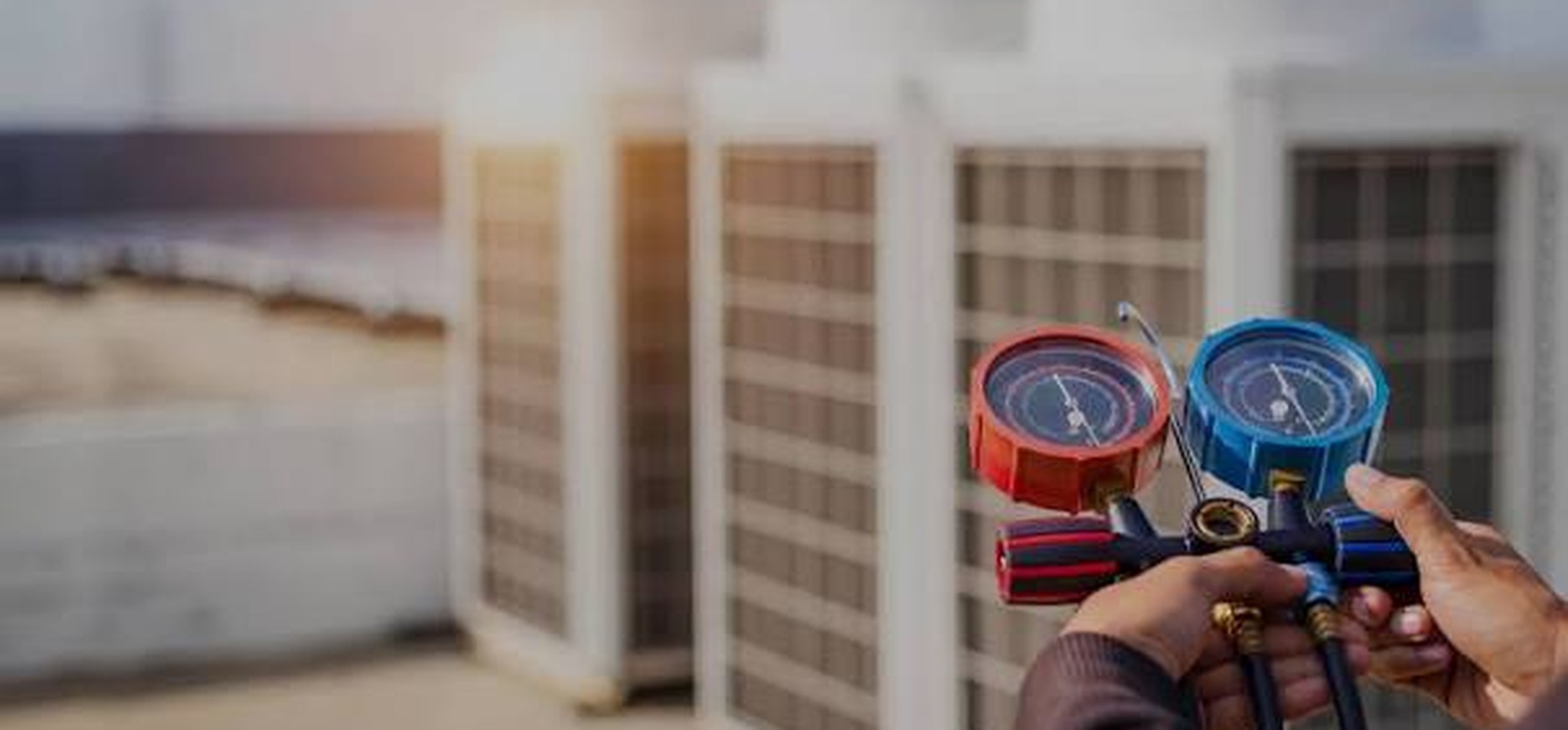
A heating bill in Queens jumps for three reasons: the rate went up, the house is losing more heat than it used to, or the equipment is burning more fuel to deliver the same warmth. Con Edison and National Grid rates change every winter and there is nothing a homeowner can do about them. The other two are fixable, and Queens HVAC technicians find the same handful of culprits in basement after basement from Corona to Bayside. Here is where the money goes and how to get some of it back.
Compare the Bill Against the Same Month Last Year
Pull up the usage in therms or kilowatt-hours before looking at the dollar amount. A bill that went from $180 to $260 with the same therms is a rate increase. A bill with 30 percent more therms than the same month last year is a house or equipment problem. Both utilities show the comparison on the bill and online. Degree days matter too, since a cold January uses more gas than a mild one, and both utilities publish those.
The Furnace or Boiler Is Running Inefficiently
A furnace with a dirty filter, a boiler with scaled heat exchanger surfaces, or burners choked with rust all burn more fuel per BTU delivered. An annual tune-up includes a combustion analysis that measures how much of the fuel actually becomes heat. An 80 percent furnace running at 72 percent because the burners are dirty wastes 8 cents of every dollar. A steam boiler with a leaking return line makes up fresh water constantly, and fresh water brings oxygen and minerals that scale the boiler and eat the pipes. Short cycling from an oversized or overheating furnace burns gas on every restart. Equipment over 20 years old that is still running at its original 65 to 75 percent efficiency is the single biggest line item on a lot of Queens gas bills.
Air Leaks and Missing Insulation
Heat leaves a house through the attic first. An uninsulated attic in a Richmond Hill frame house loses more heat than every window combined. Blown cellulose to R-49 pays for itself in two or three winters. Air leaks are second: gaps around the rim joist in the basement, old window weight channels, the chimney chase, attic hatches, and recessed lights. A fireplace damper left open all winter is a hole in the house the size of a window. A blower door test finds the leaks in an hour. Caulk, foam, and weatherstripping close most of them for under $500 in materials. Single-pane windows with storm windows actually perform reasonably well. Single-pane windows with no storms do not, and a lot of Queens row houses lost their storms decades ago.
Thermostat Settings and Zoning
Every degree the thermostat drops saves roughly 2 to 3 percent on heating. Setting back to 62 overnight and while nobody is home, then back to 68, saves 8 to 10 percent over a winter for a forced-air system. Steam systems respond slowly, so a smaller setback works better there. Heat pumps are the exception, since deep setbacks trigger the electric backup heat strips and cost more than they save. A programmable or smart thermostat does this automatically. Two-family homes with one thermostat for both units heat the whole building to whatever the first floor wants, and a second zone with its own thermostat ends that argument and the bill that comes with it.
Duct Leaks and Radiator Problems
Forced-air systems lose 20 to 30 percent of their heat through leaky ducts in unconditioned basements and attics. Sealing joints with mastic and insulating the ducts in the attic recovers most of it. Steam systems lose heat through uninsulated mains in the basement, which heat the basement instead of the apartments, and through air vents that no longer open, which leave radiators cold on one end of the building while the boiler runs harder to satisfy the other. Pipe insulation on steam mains is cheap and immediate. New radiator vents cost a few dollars each.
The Water Heater and Other Gas Loads
The heating system is only part of the gas bill. A 40-gallon tank water heater runs 20 to 30 percent of winter gas use in a small house. A tank set to 140 degrees instead of 120 wastes gas and scalds people. A dryer, a gas range, and a basement space heater all show up in the same number. Separating the loads tells you whether the heating system is actually the problem.
Take an Ozone Park two-family where the gas bill doubled over three winters with no rate change big enough to explain it. The furnace tune-up finds a cracked heat exchanger and burners running at 68 percent efficiency, and the attic has four inches of 1960s rock wool. The new furnace and R-49 attic insulation together cut the next winter’s therms by 40 percent. The windows, which the owner had been blaming, stayed.
Queens HVAC
103-81 52nd Ave, Corona, NY 11368
(929) 661-8491
NY
11368




Comment