The United Arab Emirates has rapidly evolved into a global hub for infrastructure, oil & gas, construction, and industrial development. From large-scale desalination plants to petrochemical facilities and high-rise developments, maintaining operational efficiency in extreme climate conditions is critical.
One often overlooked but essential component in these projects is industrial heat tracing — a system designed to maintain or raise the temperature of pipes, tanks, and process equipment.
Climate Challenges in UAE Industrial Environments
Although the UAE is known for its hot desert climate, temperature fluctuations between day and night — especially in winter months — can impact industrial systems.
Key challenges include:
- Temperature loss in exposed pipelines
- Viscosity increase in transported fluids
- Condensation and corrosion risks
- Process interruptions in oil & gas facilities
- Water line temperature instability
Industrial infrastructure must ensure temperature maintenance systems are in place to avoid operational downtime.
What Is Industrial Heat Tracing?
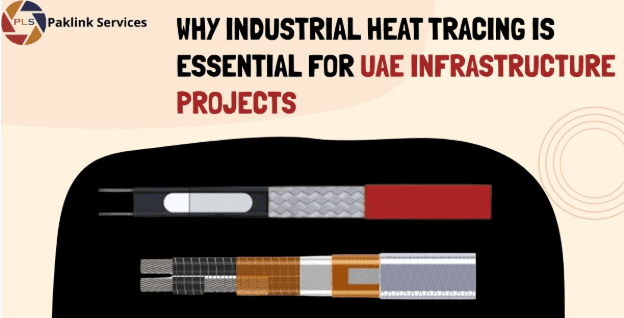
Heat tracing is a temperature maintenance solution that uses electric heating cables installed along pipelines, storage tanks, and process equipment.
Common types include:
- Self-regulating heating cables
- Constant wattage heating cables
- Mineral-insulated heating systems
These systems compensate for heat loss and ensure fluids such as water, chemicals, and petroleum products maintain required flow properties.
Many engineering contractors rely on advanced industrial heat tracing solutions in UAE to ensure compliance with operational safety standards and maintain process stability.
Why Heat Tracing Is Critical for Infrastructure Projects
1️⃣ Pipeline Freeze & Temperature Control
Even in warmer climates, exposed or elevated pipelines can experience thermal variation. Heat tracing ensures consistent temperature regulation and freeze protection.
2️⃣ Oil & Gas Process Stability
In refineries and petrochemical facilities, temperature-sensitive fluids require controlled heating. Without proper pipe heating solutions, viscosity increases can disrupt pumping efficiency.
3️⃣ Corrosion Prevention
Temperature drops can lead to condensation buildup, accelerating corrosion. A properly installed electric heat tracing system reduces moisture formation.
4️⃣ Energy Efficiency & Automation
Modern self-regulating cables adjust output based on surrounding temperature, reducing unnecessary power consumption and increasing energy efficiency.
Applications Across UAE Industries
Industrial heat tracing systems are widely used in:
- Oil & Gas pipelines
- Water treatment facilities
- District cooling plants
- Chemical processing units
- Fire protection systems
- Storage tank farms
With rapid infrastructure expansion across Dubai, Abu Dhabi, and Sharjah, selecting the right heating cable system has become a crucial engineering decision.
Choosing the Right Heat Trace Cable Supplier in the UAE
When selecting a supplier, project managers should consider:
- Compliance with international standards
- Availability of self-regulating and constant wattage options
- Technical support & engineering consultation
- On-site installation guidance
- Long-term durability in a desert climate
Partnering with an experienced provider ensures reliable system performance and reduced lifecycle costs.
Paklinks LLC delivers comprehensive heating cable systems tailored to industrial infrastructure requirements across the UAE.
Conclusion
As the UAE continues to expand its industrial and infrastructure footprint, reliable temperature maintenance systems are no longer optional — they are essential.
Industrial heat tracing not only protects pipelines and process systems but also enhances efficiency, safety, and long-term cost control. Investing in the right solution ensures uninterrupted operations in even the most demanding environments.
Frequently Asked Questions
Q1: Is heat tracing necessary in the UAE climate?
Yes. Despite high daytime temperatures, industrial pipelines can lose heat rapidly at night or in controlled environments.
Q2: What is the lifespan of heat trace cables?
High-quality systems can last 10–20 years with proper installation and maintenance.
Q3: Which industries benefit the most?
Oil & gas, water treatment, chemical processing, and construction sectors rely heavily on heat tracing solutions.