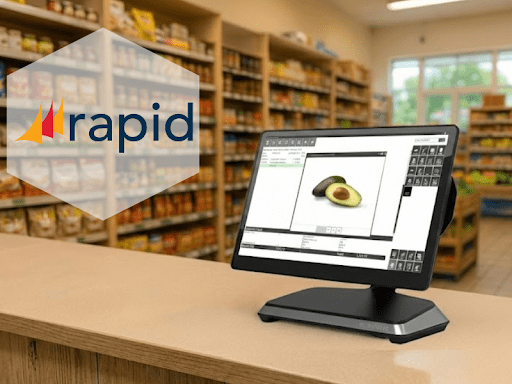
Legacy point-of-sale systems built to serve every type of retailer are increasingly falling short. Independent businesses are turning to industry-specific solutions that offer greater flexibility, security and operational control.
Independent retailers are increasingly moving away from legacy point-of-sale systems that were designed as one-size-fits-all solutions. While these platforms once met basic needs, many now struggle to support the complexity of modern retail. As customer expectations rise and operations become more data-driven, industry specific POS platforms are emerging as the leading POS for retail stores, providing a more effective alternative for businesses that need systems aligned with how they actually operate.
For today’s merchants, POS for independent retailers plays a critical role beyond simple transactions, supporting inventory accuracy, customer engagement and long-term scalability. Through retail POS modernization, retailers are replacing outdated tools with specialized POS software, like Rapid, that reflects their sector’s requirements. This shift is particularly evident in food retail, where Rapid have expanded into the world of grocery POS and is providing retailers with a modern grocery point of sale system that can better handle pricing complexity, perishables and fast-moving stock.
Limitations of Legacy POS Systems
Legacy POS systems were once considered reliable, but many now struggle to keep pace with modern retail demands. These platforms often lack the flexibility required to integrate new tools or adapt workflows, creating friction for staff and customers alike. For many owners, the biggest issue is that these systems were never designed as POS for independent retailers, but rather as broad solutions with limited customization.
Scalability is another common challenge. As retailers grow or diversify, legacy systems frequently become restrictive. Without support for retail POS modernization, businesses may find it difficult to introduce omnichannel features, advanced reporting or loyalty tools. Over time, this rigidity can stall innovation and reduce competitiveness.
Security is also a growing concern. Older systems often lack modern encryption and update cycles, increasing exposure to data breaches. Moving to specialized POS software helps mitigate these risks by providing stronger security standards and ongoing updates. For retailers handling high transaction volumes, particularly those using a grocery point of sale system, modern security is no longer optional.
Without adopting an industry specific POS, retailers risk being locked into outdated technology that limits operational improvement and increases long-term costs.
Benefits of Industry Specific POS Systems
The primary advantage of industry specific POS platforms is that they are built around real operational requirements rather than generic assumptions. These systems streamline sales, inventory and customer management in ways that directly reflect how each sector operates. For many businesses, specialized POS software delivers immediate gains in efficiency and visibility.
Inventory management is a standout benefit. Retailers gain real-time insights into stock levels, supplier performance and sales trends. This is particularly valuable for grocery operators, where a well-designed grocery point of sale system supports expiry tracking, weighted items and promotional pricing. These capabilities are rarely available in legacy platforms.
Customer engagement also improves. POS for independent retailers often includes built-in tools for loyalty programs, targeted promotions and personalized offers. Combined with retail POS modernization, these features help businesses compete with larger chains while maintaining a local, customer-first approach.
Real-World Success with Modern POS Technology
Many independent retailers have already seen tangible benefits after replacing legacy platforms with industry specific POS solutions. Fashion retailers, for example, have improved merchandising and inventory accuracy by switching to specialized POS software tailored to apparel workflows.
Grocery businesses have been particularly quick to adopt modern systems. A flexible grocery point of sale system allows stores to manage rapid stock turnover, dynamic pricing and supplier variability with far greater accuracy. These improvements often translate into faster checkouts, reduced waste and better customer satisfaction.
Across sectors, POS for independent retailers has proven to be a catalyst for growth. Access to real-time data enables smarter decisions, while retail POS modernization supports expansion without the friction caused by outdated systems.
Choosing the Right POS for Long-Term Retail Success
Transitioning away from legacy technology is no longer just an upgrade; it is a strategic necessity. Retailers evaluating new systems should focus on how well a platform aligns with their specific industry requirements. An effective industry specific POS should integrate seamlessly with existing tools while remaining flexible enough to evolve.
Vendor support, scalability and security should all factor into the decision. Choosing the right specialized POS software ensures that businesses are not forced into another one-size-fits-all solution. For food retailers, selecting a capable grocery point of sale system is especially critical to operational success.
Ultimately, retail POS modernization empowers retailers to meet changing consumer expectations and operate with confidence. By investing in POS for independent retailers, businesses can replace outdated technology with systems built to support sustainable growth in a competitive retail environment.