
When you’re shaken up from a car accident, calling the police might feel like an unnecessary complication—especially if the damage seems minor or everyone appears uninjured. Yet according to the National Highway Traffic Safety Administration’s 2023 crash data, nearly 40% of accident-related insurance claim disputes stem from inadequate documentation at the scene, with most involving cases where no police report was filed. As insurance companies increasingly scrutinize claims and legal timelines tighten across most states, that split-second decision about whether to involve law enforcement often determines whether victims can successfully recover damages months or years later.
The consequences extend far beyond individual claims. Police reports feed into traffic safety databases that shape everything from intersection redesigns to speed limit adjustments, meaning your decision to file affects community safety measures for years to come. For anyone navigating the immediate aftermath of a collision, understanding why police documentation matters—and how to ensure it captures what happened accurately—can mean the difference between a straightforward resolution and a prolonged legal battle.
Why Timely Filing of a Police Report Matters After an Accident
The first few hours after an accident create a narrow window where evidence remains fresh and witness memories stay sharp. Most states require accident reporting within 24 to 72 hours when injuries or property damage exceed specific thresholds—typically $1,000 to $2,000 in damage—but waiting even a few hours can compromise the report’s effectiveness.
Memory deterioration happens faster than most people realize. Witnesses begin filling in gaps with assumptions within hours, while physical evidence like skid marks or debris patterns can be altered by traffic, weather, or cleanup crews. Insurance adjusters know this timeline intimately and often use delayed reporting as grounds to question claim validity.
The legal implications run deeper than insurance concerns. In states with comparative negligence laws, police reports serve as crucial baseline documentation for fault determination. When accidents involve injuries that emerge days later—common with soft tissue damage or concussions—having an immediate police report establishes the connection between the collision and subsequent medical treatment. Without that documentation, proving causation becomes significantly more complex.
Consider someone rear-ended at a stoplight who feels fine initially but develops severe neck pain three days later. If they filed a police report immediately, their medical treatment connects clearly to a documented incident. Without that report, the insurance company might argue the injury occurred elsewhere, forcing the victim into an expensive legal process just to establish basic facts about what happened.
Beyond individual protection, timely reporting serves broader public safety functions. Traffic engineers rely on current accident data to identify dangerous intersections or road conditions requiring intervention. When accidents go unreported, hazardous areas remain invisible to the agencies responsible for fixing them.
What Information to Include and How to Document the Accident Scene
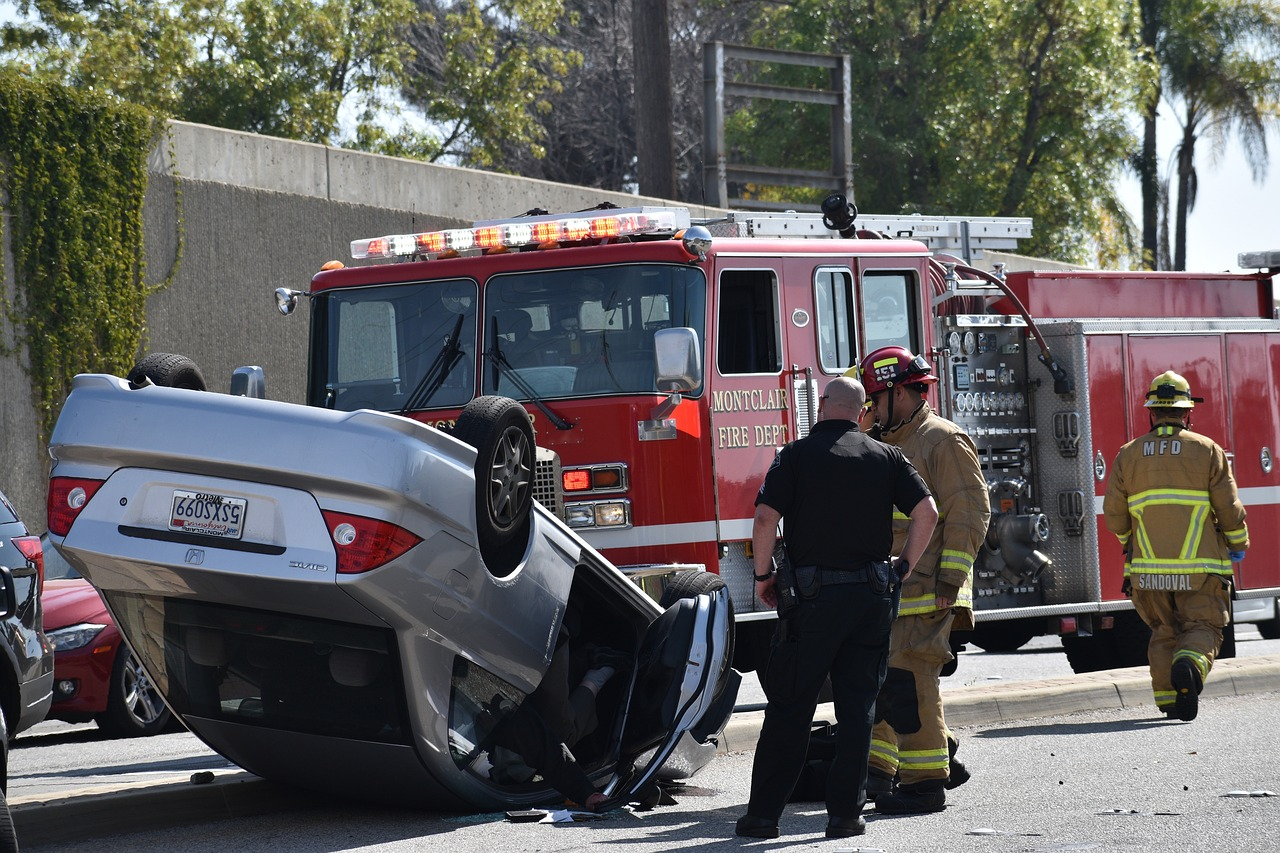
Best Practices for Documenting Evidence at the Scene
Smart evidence collection begins before the police arrive and continues throughout their investigation. Start by photographing vehicle positions from multiple angles, capturing the broader scene context along with close-up damage details. Include street signs, traffic signals, road conditions, and anything that might explain how the accident occurred.
Weather conditions and lighting deserve specific documentation since they often influence liability determinations. A photo showing wet pavement or sun glare can explain driver behavior that might otherwise seem negligent. Take pictures of your speedometer, dashboard warnings, or any mechanical issues that contributed to the collision.
Witness information proves invaluable, but collect it strategically. Focus on independent witnesses rather than passengers from either vehicle, as their testimony carries more weight with insurance companies and courts. Get names, phone numbers, and brief written statements about what they observed. Many witnesses leave quickly, so prioritize this task immediately after ensuring everyone’s safety.
Physical measurements matter for complex accidents. Note the distance between vehicles, skid mark lengths, and debris patterns. While police will conduct their own measurements, having your documentation provides backup evidence and helps you answer detailed questions later.
Essential Information to Provide in Your Police Report
When speaking with the responding officer, stick to factual observations rather than interpretations or blame assignments. Describe what you saw, heard, and felt without speculating about the other driver’s intentions or condition. Phrases like “I think he was texting” or “She seemed drunk” can create legal complications if you can’t prove those assertions later.
Provide complete driver and vehicle information for all parties involved, including insurance details, registration numbers, and driver’s license information. Accuracy matters tremendously here—incorrect insurance information can delay claims processing by weeks and complicate fault determination procedures.
Medical concerns require honest disclosure, even if symptoms seem minor. Adrenaline masks pain immediately after accidents, and many injuries don’t manifest symptoms until hours later. Tell the officer about any discomfort, dizziness, or confusion you’re experiencing, as this creates medical documentation that supports later treatment decisions.
Vehicle damage descriptions should be thorough and precise. Instead of saying “significant damage,” specify “crushed rear bumper with frame damage visible” or “deployed airbags with dashboard cracks.” This level of detail helps insurance adjusters understand repair costs and injury potential without seeing the vehicles firsthand.
How Police Reports Influence Insurance Claims and Legal Accountability
Insurance companies treat police reports as primary evidence when determining fault and calculating settlements. The investigating officer’s preliminary assessment, while not legally binding, carries significant weight in claims processing. Insurance adjusters often use the officer’s fault determination as their starting point for settlement negotiations, making the accuracy of that initial report crucial for fair compensation.
The report’s narrative section proves particularly influential because it provides context that raw facts can’t capture. An officer’s description of road conditions, driver statements, or witness accounts creates a cohesive story about what happened. Insurance companies use this narrative to evaluate whether their policyholder acted reasonably under the circumstances.
For legal proceedings, police reports serve as qualified admissions evidence, meaning courts generally accept them as accurate unless specific inaccuracies can be proven. This standard gives police reports substantial influence over settlement negotiations, as both sides understand judges and juries typically view them as objective documentation.
However, insurance companies also use police reports to identify claim weaknesses. Missing information, inconsistent statements, or delayed filing can become grounds for reducing settlements or denying claims entirely. Professional legal counsel experienced in handling accident cases—such as those at Wagner Reese LLP—often review police reports early in the claims process to identify potential challenges and develop strategies for addressing them effectively.
The report’s influence extends to subsequent legal proceedings if settlement negotiations fail. Attorneys on both sides scrutinize every detail, from witness statements to physical evidence descriptions, building their cases around the documented facts. Any gaps or inconsistencies in the police report can weaken a victim’s position significantly, regardless of the actual circumstances surrounding the accident.
Common Mistakes and Challenges When Filing Police Reports
Many accident victims unknowingly undermine their police reports by admitting fault prematurely or downplaying their injuries. Statements like “I’m sorry” or “I didn’t see the stop sign” can be interpreted as admissions of guilt, even when they’re simply expressions of politeness or shock. The emotional aftermath of an accident often clouds judgment, leading people to accept blame for situations they didn’t actually cause.
Incomplete information represents another frequent problem. Rushed exchanges of insurance cards might result in transcribed policy numbers or incorrect contact information, creating delays and complications during claims processing. Some drivers provide outdated insurance information, either intentionally or because they genuinely don’t realize their coverage has lapsed.
Medical condition reporting poses particular challenges. Many people feel embarrassed about pre-existing injuries or worry that mentioning them might complicate their claims. However, failing to disclose relevant medical history can backfire if those conditions influence the accident’s outcome or injury severity. Insurance companies often discover pre-existing conditions during medical record reviews, and apparent concealment can damage credibility.
Weather and road conditions frequently receive inadequate attention in police reports, especially when they seem obvious to everyone at the scene. However, what appears clear to someone experiencing the conditions firsthand might not translate accurately to insurance adjusters reviewing the report weeks later. Specific documentation of visibility, precipitation, or road surface conditions provides crucial context for evaluating driver behavior.
Technology creates new complications as well. Modern vehicles record extensive data about speed, braking, and impact forces, but accessing this information requires specialized equipment and expertise. Many police departments lack the resources to extract vehicle data routinely, potentially leaving valuable evidence uncollected. Drivers should request that officers note the presence of event data recorders in their vehicles, preserving the option to access this information later.
What Happens After Filing and the Role of Police Reports in Public Safety
Police report processing typically takes 5 to 10 business days, though complex cases involving multiple vehicles or serious injuries may require additional investigation time. During this period, the investigating officer may contact involved parties or witnesses to clarify details or gather additional information that wasn’t available at the scene.
Once completed, police reports become part of official traffic safety databases that influence infrastructure planning and enforcement strategies. Transportation departments analyze accident patterns to identify intersections needing traffic signal adjustments, road segments requiring speed limit changes, or areas where enhanced enforcement might prevent future collisions. Your individual report contributes to data pools that shape community safety initiatives for years to come.
The aggregated data serves broader research purposes as well. Federal agencies use local police reports to track nationwide safety trends, evaluate vehicle safety standards, and develop new accident prevention technologies. Academic researchers rely on this data to study driver behavior patterns and test theories about traffic safety interventions.
Modern police departments increasingly use predictive analytics based on historical accident data to deploy resources more effectively. High-accident areas receive increased patrol attention during peak risk periods, while traffic engineering departments prioritize infrastructure improvements based on documented collision patterns. This systematic approach to accident prevention depends entirely on comprehensive, accurate reporting from individual incidents.
For accident victims, the completed police report often marks the beginning of longer-term processes rather than the end. Insurance companies use the report to initiate their investigations, attorneys review it to assess legal strategies, and medical providers reference it to understand injury mechanisms. The decision to file that initial report creates a documented foundation that supports every subsequent step in the recovery process—a reminder that what might feel like paperwork in the moment serves as essential protection for the challenging road ahead.