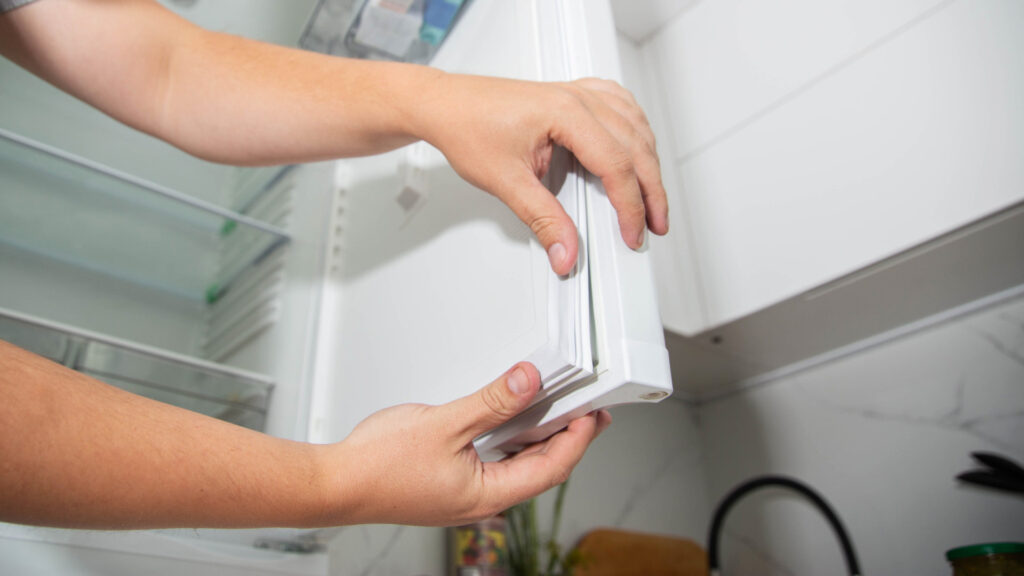
Commercial refrigeration units in busy kitchens, convenience stores, and distribution centers face a level of daily stress that most residential appliances never encounter. Doors can open and close hundreds of times per shift, and every one of those cycles puts wear on the seal responsible for keeping cold air in and warm air out. While a residential refrigerator door might last a decade without issue, a high-traffic commercial unit can see its seal degrade in a fraction of that time if the causes of wear are not understood and addressed.
This article examines why refrigerator door seals fail so much faster under heavy use, what specific stresses accelerate that breakdown, and how operators can plan ahead for refrigerator gasket replacement before a failing seal starts costing them in energy bills and spoiled inventory.
The Basic Mechanics of Seal Wear
A door seal, or gasket, is designed to compress and release thousands of times over its lifespan without losing its ability to spring back into shape. Every open and close cycle asks the rubber to flex, compress against the frame, and then return to its original form once the door reopens. In a low-traffic setting, this cycle happens infrequently enough that the rubber has time to recover between uses.
In a high-traffic environment, that recovery time shrinks dramatically. The gasket is asked to compress and release far more often within the same span of time, and the rubber begins to fatigue. Much like any material subjected to constant repetitive stress, the molecular structure of the rubber gradually breaks down, leading to reduced elasticity, cracking, and an eventual loss of sealing ability.
Key Factors That Accelerate Seal Failure
Several specific conditions common in heavy use environments speed up the breakdown of door seals well beyond what normal aging alone would cause.
Frequent Door Cycling
Every open and close cycle is a small mechanical event for the gasket. In a kitchen preparing hundreds of meals a day, a walk-in cooler door might be opened and closed dozens or even hundreds of times per shift. This repetitive motion is the single biggest contributor to premature gasket wear, since the rubber simply does not get the rest period it would in a lower-use setting.
Physical Contact and Abrasion
Staff moving quickly through a busy kitchen do not always treat doors gently. Carts, trays, and hands brushing against the gasket during loading and unloading introduce physical abrasion that a low-traffic unit would rarely experience. Over time, this contact wears down the surface of the rubber, creating small nicks and tears that grow into larger sealing gaps.
Exposure to Grease and Food Debris
Kitchens generate grease, food particles, and general grime that inevitably come into contact with door gaskets. Grease in particular can be damaging, as it breaks down rubber compounds over time and leaves a residue that prevents the gasket from compressing evenly. Left uncleaned, this buildup accelerates cracking and reduces the gasket’s magnetic seal strength.
Harsh Cleaning Chemicals
Ironically, the effort to keep a kitchen sanitary can sometimes speed up gasket failure. Strong degreasers and industrial cleaning chemicals, if not rinsed thoroughly, can dry out rubber and cause it to become brittle far faster than normal wear alone would.
Temperature Cycling Stress
Every time a heavy-use door opens, warm kitchen air meets the cold interior of the unit, creating a temperature shock at the seal. Repeated exposure to this kind of rapid temperature swing, many times a day, puts additional stress on the rubber compound and contributes to material fatigue over time.
Hinge and Hardware Wear
Heavy use does not only affect the gasket directly. Hinges and latches also wear down faster under constant cycling, which can cause the door to sag or misalign. A door that no longer closes perfectly square against the frame puts uneven pressure on the gasket, accelerating wear on specific sections even if the rest of the seal is still in decent condition.
Signs That Heavy Use Is Taking a Toll
Recognizing the early signs of accelerated wear can help operators plan for refrigerator gasket replacement before performance is significantly affected. Common indicators include:
- Visible cracking or splitting concentrated in high contact areas of the gasket
- A noticeably weaker magnetic pull compared to when the unit was new
- Gaps that appear intermittently, especially after the door has been used heavily during a shift
- Grease buildup or discoloration along sections of the seal
- Frost or condensation forming more frequently around the door edges
- Staff comments that the door feels harder to close or does not seem to seal as tightly as before
Because wear in high-traffic units often develops unevenly, it is worth inspecting the entire perimeter of the gasket rather than assuming uniform condition based on a single spot check.
The Cost of Delaying Gasket Replacement in High Traffic Units
In heavy-use environments, the financial impact of a failing seal compounds faster than it would in a lower traffic setting, simply because the door is opening and closing so often. Every cycle with a compromised gasket is another opportunity for warm air to enter the unit.
- Energy costs rise as the compressor works harder and more frequently to offset constant air infiltration
- Compressor lifespan shortens due to the added strain of near-constant cycling
- Temperature consistency suffers, which is particularly risky in kitchens handling perishable ingredients
- Frost and ice accumulation on evaporator coils increases, further reducing cooling efficiency
- The risk of a full system breakdown grows if the compressor is forced to overwork for extended periods without relief
Given how quickly these costs can add up in a high-traffic setting, proactive gasket replacement is almost always less expensive than waiting for a complete failure.
How to Extend Gasket Life in Heavy Use Settings
While no gasket lasts forever under constant demand, several practices can meaningfully extend its usable life and delay the need for replacement.
- Clean gaskets daily or every shift in high-traffic kitchens to remove grease and food debris before it has time to degrade the rubber
- Use mild soap and water rather than harsh degreasers, and rinse thoroughly if stronger cleaners are necessary
- Train staff to close doors gently and avoid pushing carts or equipment directly against the gasket
- Inspect gaskets weekly in heavy-use units rather than relying on a monthly schedule
- Address hinge and latch wear promptly, since a misaligned door accelerates uneven gasket stress
- Keep spare gaskets on hand for the busiest units so replacement can happen quickly without extended downtime
- Consider higher-grade or commercial-rated gaskets specifically designed for high-cycle environments, since standard gaskets may wear out faster than the application demands
When to Choose Refrigerator Gasket Replacement Over Repair
Some gasket issues can be temporarily addressed through cleaning or minor adjustment, but heavy-use environments often reach a point where replacement is the only reliable long-term solution. Signs that replacement is the better choice include:
- Cracking or tearing that spans a significant portion of the gasket rather than an isolated section
- Magnetic strength that has weakened to the point where the door can be opened with minimal resistance
- Persistent air leakage detected during a dollar bill test at multiple points around the door
- Visible shrinkage or warping of the rubber that prevents even compression against the frame
- Repeated temporary fixes that fail to resolve sealing issues within a short period
In high-traffic units, waiting too long to replace a failing gasket rarely saves money. The energy waste and compressor strain caused by a compromised seal typically exceed the cost of a new gasket within a matter of weeks or months.
FAQ
Why do commercial refrigerator seals wear out faster than residential ones?
Commercial units in high-traffic settings experience far more frequent door cycling, physical contact, and exposure to grease and cleaning chemicals, all of which accelerate rubber fatigue compared to a residential refrigerator used a few times a day.
How often should gaskets be inspected in a busy kitchen?
Weekly inspections are recommended for high-traffic units, compared to monthly checks that may be sufficient for lower-use equipment.
Can cleaning products actually damage a door gasket?
Yes. Harsh degreasers and industrial chemicals can dry out and weaken rubber over time if not rinsed thoroughly, contributing to premature cracking.
What is the average lifespan of a gasket in a high-traffic environment?
This varies widely depending on usage, but heavy-use gaskets often need replacement within one to two years, compared to two to three years or more in lower-traffic settings.
Is it worth investing in a higher grade gasket for heavy use doors?
Often yes. Commercial-rated gaskets designed for high-cycle environments tend to resist wear better than standard gaskets, which can offset the higher upfront cost through extended service life.
How do I know if the problem is the gasket or the door hardware?
Check hinges and latches for sagging, looseness, or misalignment first, since these can cause uneven gasket wear even when the seal itself is otherwise in decent condition.
Final Thoughts
Heavy use environments place a unique burden on refrigeration door seals, one that goes well beyond simple age-related wear. Frequent cycling, physical contact, grease exposure, and temperature shock all combine to break down gaskets faster than they would in lower traffic settings. Understanding these stresses allows operators to plan ahead, catching early signs of wear and scheduling refrigerator gasket replacement before a failing seal starts driving up energy costs or putting inventory at risk. In high-demand kitchens and facilities, proactive gasket care is not just a maintenance task but a meaningful safeguard for both equipment performance and food safety.