
Why Digital Freight Platforms Cannot Replace an Experienced Shipbroker in Complex Cargo Chartering

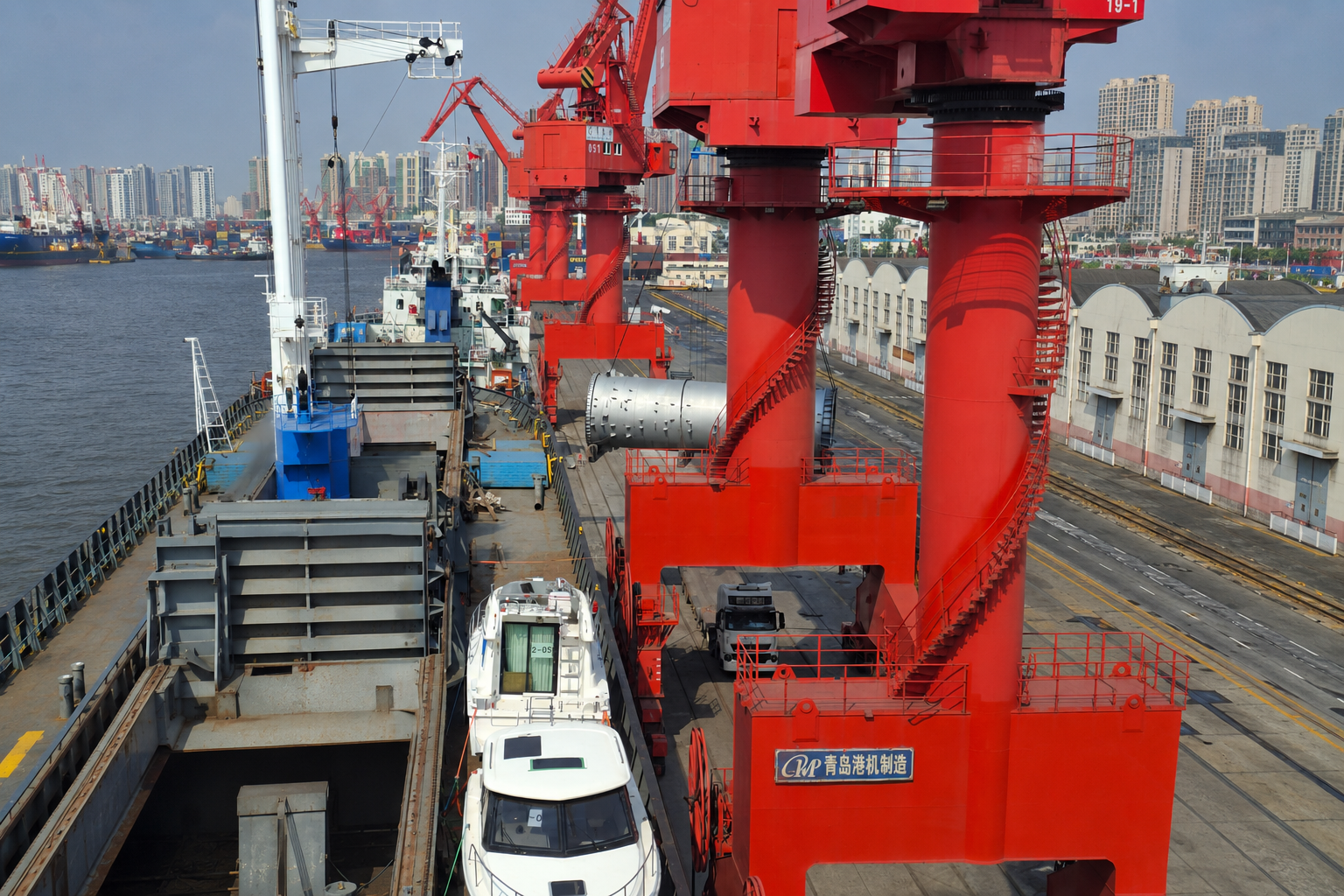
Digital tools can accelerate searches, organize vessel data and improve communication. But when cargo is heavy, oversized or operationally sensitive, the decisive work still depends on judgment, verification, negotiation and continuous human coordination.
By Konstantin Kalnyi
Technology Has Changed the Search – Not the Responsibility
Digital freight platforms have made parts of maritime chartering faster and more transparent. A cargo owner can circulate an enquiry, compare vessel descriptions, review positions and exchange documents in a fraction of the time once required. Algorithms can filter large datasets, messaging systems can connect market participants instantly, and artificial intelligence can summarize technical information or highlight apparent inconsistencies.
These are meaningful improvements. They reduce administrative work and help brokers, shipowners and charterers handle more information. However, faster access to information is not the same as a safe and workable transportation solution. This distinction becomes critical when the cargo is not a standard container or homogeneous bulk commodity, but a heavy, oversized or otherwise complex unit requiring a specific vessel, lifting arrangement, stowage position and port operation.
A platform can show which vessels may be available. It cannot, by itself, assume responsibility for determining whether the proposed operation will actually work from the factory gate to final discharge.
A Vessel Description Is Only the Beginning
The digital search process often begins with vessel particulars: deadweight, deck area, hatch dimensions, crane capacity, flag, class and current position. These data points are useful, but they are not a final technical approval.
A crane described as having a nominal capacity of 250 tonnes may lift substantially less at the outreach required to reach the intended stowage position. Two cranes with a combined nominal capacity of 500 tonnes do not automatically provide a workable 500-tonne tandem lift. The real calculation depends on crane curves, spacing, hook geometry, allowable outreach, lifting accessories, load distribution, stability and the vessel’s approved operating procedures.
The same applies to the cargo. Weight alone is insufficient. Dimensions, centre of gravity, lifting points, support structure, sensitivity to deformation, packing condition and required orientation all affect the operation. A digital match based on two numbers – cargo weight and stated crane capacity – may therefore produce a vessel that appears suitable on screen but is unsuitable in practice.
Complex Cargo Is a Chain of Dependencies
Project cargo chartering is not a single matching exercise. It is a chain in which every technical and commercial decision affects the next one. The vessel must be able to enter both ports, reach the nominated berth, perform the lift, accept the cargo in the selected position, maintain stability, withstand the voyage and discharge in the sequence required by the receiver.
A technically capable vessel may still be the wrong vessel if its arrival conflicts with cargo readiness, if the discharge berth has insufficient draft, if shore obstructions limit crane outreach, or if the terminal cannot receive the unit during the agreed window. Sea-fastening work may require welders, materials, engineering approval and time alongside. Lifting beams or special shackles may need to be supplied by a particular party and certified before use.
These dependencies are difficult to reduce to a universal checklist because every shipment combines a different cargo, vessel, port, contractual structure and operational team. Technology can organize the checklist. An experienced professional must interpret what the answers mean and identify what has not yet been asked.
Data Quality Remains the Weakest Link
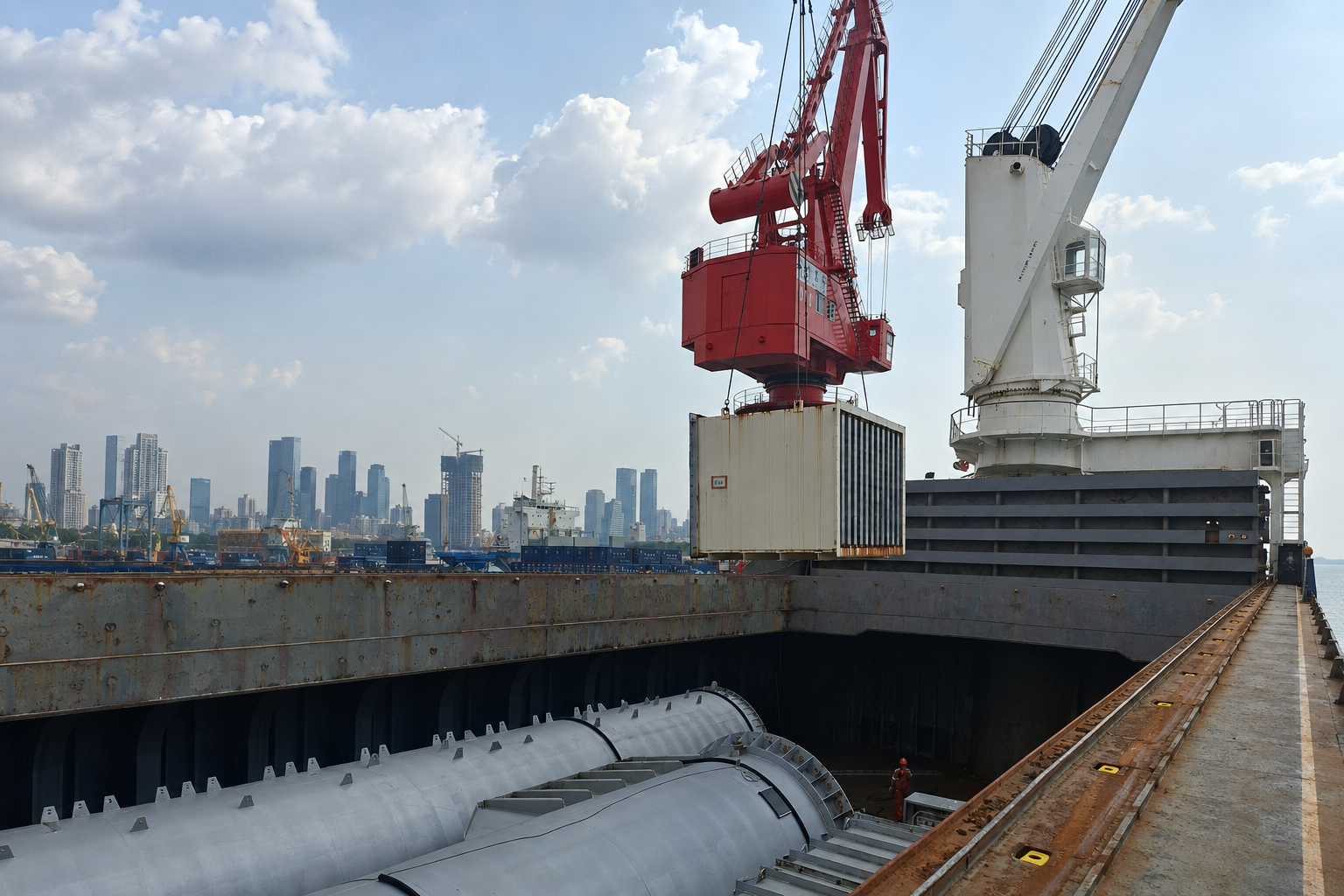
Artificial intelligence and automated matching are only as reliable as the information supplied to them. In real chartering work, cargo data frequently evolve. Preliminary dimensions may be replaced after fabrication. The declared weight may exclude transport frames or lifting equipment. Drawings may show lifting points without confirming their safe working loads. A packing list may omit small components that materially affect stowage or handling.
A platform can process incomplete data very efficiently and still produce the wrong conclusion. The broker’s task is not merely to transmit the information, but to challenge it. Are the dimensions final? Does the stated weight include saddles and packaging? Has the centre of gravity been confirmed? Can the cargo be rotated? Is over-stowage prohibited? Are lifting points accessible after delivery alongside the vessel? Which party supplies the lifting gear, and who approves it?
This verification work protects the cargo owner. It prevents a provisional assumption from becoming a contractual commitment before the underlying facts are confirmed.
Freight Is More Than a Number
Digital marketplaces naturally encourage price comparison. That works well when offers are genuinely comparable. In complex cargo chartering, they often are not.
One quotation may include the use of the vessel’s cranes but exclude special lifting gear. Another may assume free-in and free-out terms, leaving terminal and stevedoring costs with the charterer. A lower freight may depend on narrow laycan dates, limited waiting time, a different stowage position or charterer’s responsibility for sea fastening. The cheapest headline rate can become the most expensive option after these exclusions and operational risks are considered.
An experienced shipbroker normalizes the offers. The broker examines what each owner has assumed, identifies qualifications, clarifies responsibilities and explains the commercial effect to the cargo interest. The objective is not simply to locate the lowest number. It is to establish a realistic total transportation position with manageable risk.
Negotiation Cannot Be Fully Automated
Charter-party negotiations for complex cargo require more than standard clauses. The agreement must reflect cargo readiness, technical approval, lifting responsibility, weather limitations, berth accessibility, sea fastening, survey attendance, documentation, laytime, demurrage and the consequences of changed cargo information.
Language that appears routine can allocate substantial financial exposure. If the cargo is not ready when the vessel arrives, the charterer may face detention or demurrage. If lifting equipment is unsuitable, it must be clear which party bears the delay and replacement cost. If the nominated berth is inaccessible, responsibility for shifting or waiting must be understood before the vessel is fixed.
Negotiation also involves human signals that software does not reliably capture: whether an owner is genuinely interested, whether a proposed vessel is likely to remain available, whether qualifications indicate a technical concern, and when pressing for a better rate may jeopardize a workable option. Market knowledge includes relationships, credibility and timing as well as data.
The Broker’s Work Continues After the Fixture
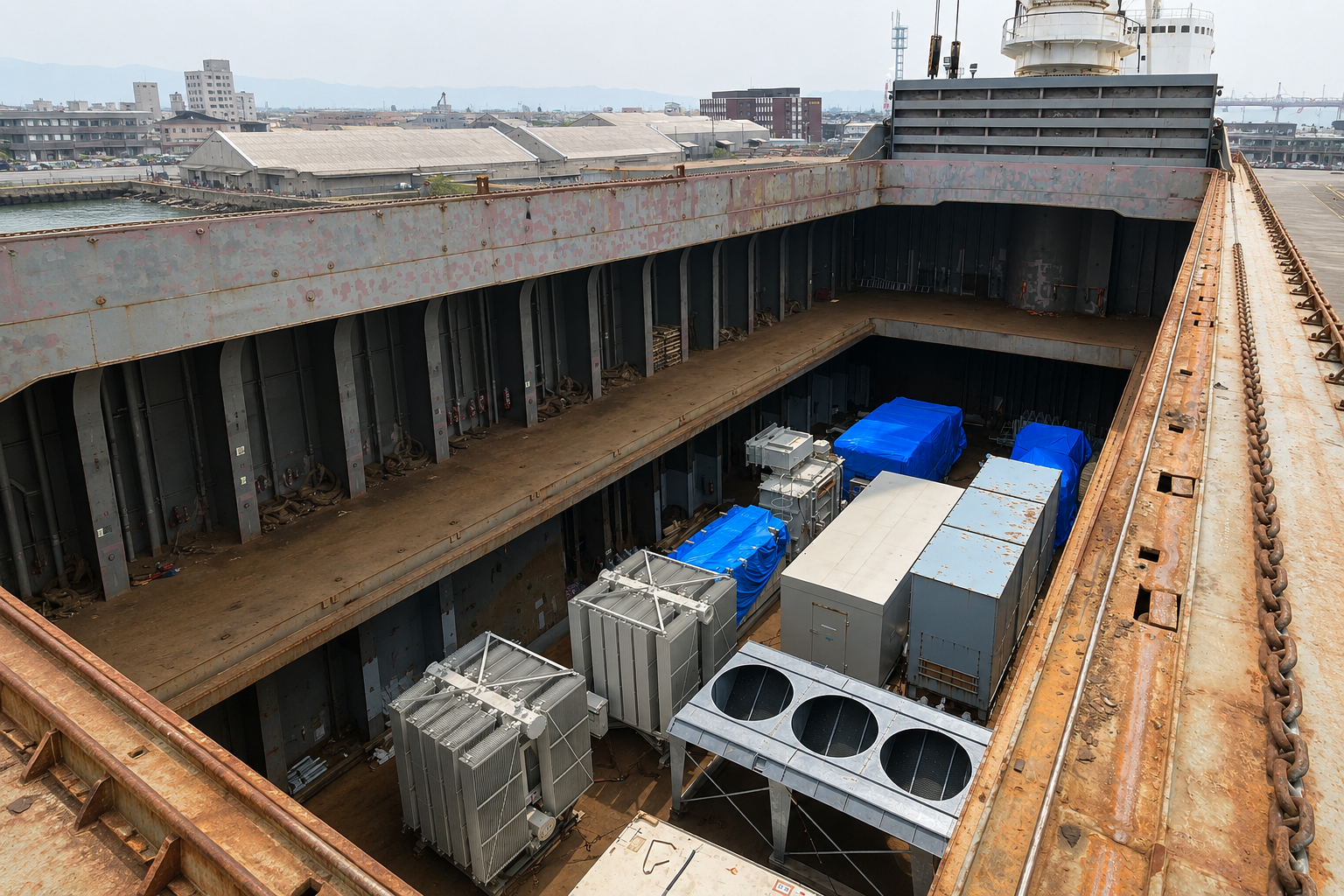
A common misconception is that the broker’s work ends when the fixture is concluded. For complex cargo, the period after the fixture is often where the greatest operational risk emerges.
Final drawings must be exchanged, vessel approvals obtained, stowage and lifting plans coordinated, port restrictions reconfirmed and the cargo-readiness position monitored. The vessel’s schedule may change. The terminal may revise its working plan. Weather can affect delivery alongside, lifting or sailing. Surveyors, agents, stevedores, engineers, the master, owners, charterers and cargo interests must remain aligned.
A digital platform can store the correspondence and issue notifications. It cannot independently decide which deviation is routine, which threatens the laycan, which requires an immediate contractual notice, or which alternative protects the client’s position. That requires an accountable professional who understands both the fixture and the physical operation.
The Better Model: Technology With Professional Judgment
The practical conclusion is not that digital platforms are unhelpful. On the contrary, the best shipbrokers use technology extensively. Digital tools improve market visibility, document control, vessel tracking, data comparison and communication. Artificial intelligence can assist with document review, structured extraction and preliminary risk identification.
But these tools should support professional judgment rather than replace it. A strong model combines technological speed with experienced supervision: software finds and organizes possibilities; the broker tests assumptions, compares commercial structures, negotiates protections and follows the operation through execution.
For cargo owners arranging project or oversized shipments, the key question is therefore not whether a platform can produce vessel options. It is who will verify that the selected option remains technically workable, commercially clear and operationally controlled when real-world conditions begin to change.
That is the enduring role of an experienced shipbroker – not as an intermediary who merely forwards messages, but as the person connecting data, vessel capability, contractual responsibility and practical execution into one coherent transport solution.
Author Biography

Konstantin Kalnyi is a Ukrainian independent shipbroker with more than 25 years of experience in ship chartering and maritime brokerage. His practical background encompasses both shipowner/commercial vessel management and cargo broker/independent shipbroker perspectives. He is CEO & Founder of Kiev Shipping Ltd. Website: https://kievshipping.com/







Comment