
Why Cross-Platform Streaming Applications Are Shaping the Future of Digital Entertainment

Introduction
The digital entertainment industry has experienced unprecedented growth over the last decade. Consumers no longer rely solely on traditional cable television or satellite services to access their favorite content. Instead, streaming technologies have become the preferred method for watching live television, movies, sports, and on-demand programming.
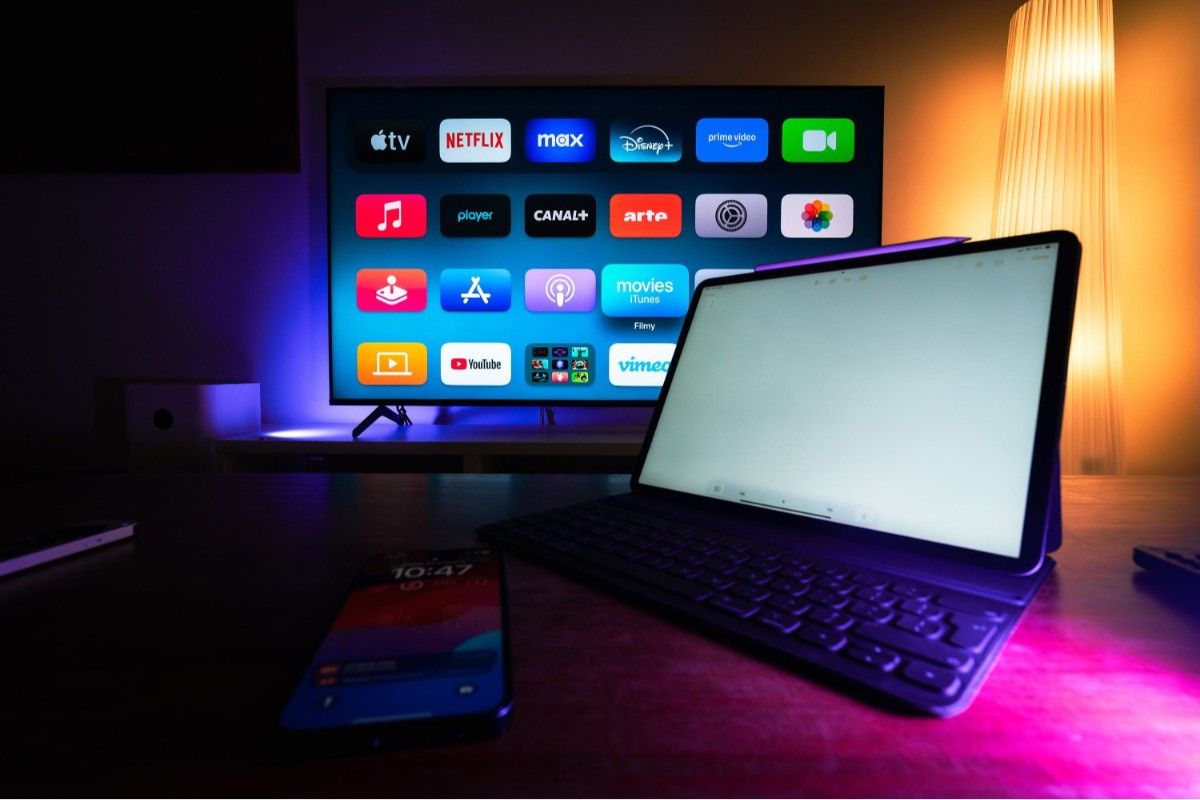
As internet infrastructure continues to improve worldwide, the demand for flexible and device-independent viewing experiences is increasing. Viewers expect to access content wherever they are, whether on a smartphone, tablet, smart television, laptop, or streaming device.
This shift has created a growing market for cross-platform streaming applications that simplify content access while providing a consistent user experience across multiple devices. These platforms are helping redefine how audiences interact with digital entertainment and are becoming an essential part of the modern media ecosystem.
The Evolution of Streaming Technology
Streaming technology has evolved significantly from its early days. Initial streaming services were often limited by slow internet speeds, buffering issues, and device compatibility challenges.
Today, improvements in broadband connectivity, cloud computing, and content delivery networks have transformed the streaming landscape. Modern platforms can deliver high-definition and even ultra-high-definition content to millions of users simultaneously.
The evolution of streaming has also changed consumer expectations. Users now demand instant access to content, intuitive interfaces, personalized recommendations, and seamless synchronization between devices.
To meet these expectations, developers have focused on creating sophisticated applications capable of delivering high-performance viewing experiences regardless of device type or operating system.
Why Cross-Platform Compatibility Matters
One of the biggest challenges facing digital entertainment providers is device fragmentation. Consumers use a wide variety of hardware and operating systems, including Android smartphones, iPhones, tablets, smart TVs, Windows computers, Mac devices, and streaming boxes.
Cross-platform streaming applications address this challenge by providing a unified experience across multiple environments.
The benefits include:
Greater Accessibility
Users can access their content from virtually anywhere without being tied to a specific device. This flexibility aligns with modern lifestyles where people frequently switch between devices throughout the day.
Consistent User Experience
A familiar interface across different devices improves usability and reduces learning curves. Viewers can quickly navigate content regardless of the platform they are using.
Increased User Engagement
When users can access content seamlessly across multiple devices, they are more likely to remain engaged and spend more time using the platform.
Enhanced Convenience
Cross-platform applications allow users to start watching content on one device and continue on another without interruption. This continuity significantly improves the overall viewing experience.
The Growing Importance of IPTV Applications
Internet Protocol Television (IPTV) has become one of the most influential technologies in digital entertainment. Unlike traditional broadcasting methods, IPTV delivers content through internet-based networks, enabling greater flexibility and personalization.
Modern IPTV applications provide users with access to live channels, video-on-demand libraries, catch-up television, and advanced content management features.
Many viewers prefer IPTV solutions because they offer:
- Device flexibility
- Content organization tools
- Electronic program guides
- Search functionality
- Personalized viewing experiences
- Multi-screen support
As IPTV technology continues to mature, applications are becoming more sophisticated and user-friendly.
Among the solutions available today, IPTV Smarters Pro is frequently referenced as an example of how modern IPTV applications can simplify content management and improve accessibility across multiple devices.
User Experience as a Competitive Advantage
In the streaming industry, technology alone is not enough. User experience has become one of the primary factors influencing platform success.
A well-designed application can significantly improve customer satisfaction and retention.
Key elements of a strong streaming experience include:
Intuitive Navigation
Users should be able to locate content quickly and efficiently without unnecessary complexity.
Fast Performance
Loading delays and buffering issues can negatively impact engagement. Optimized applications prioritize speed and stability.
Responsive Design
Applications must adapt to different screen sizes while maintaining usability and visual consistency.
Content Discovery
Recommendation engines and advanced search tools help users find relevant content more effectively.
Reliability
Consistent performance remains essential for maintaining user trust and long-term engagement.
Companies that prioritize these elements are often better positioned to compete in an increasingly crowded marketplace.
Cloud Infrastructure and Scalability
Cloud computing has become a cornerstone of modern streaming technology.
Traditional infrastructure models often required significant investments in hardware and maintenance. Cloud-based environments provide a more scalable and cost-effective alternative.
Benefits include:
- Faster deployment
- Improved reliability
- Dynamic resource allocation
- Reduced operational costs
- Enhanced disaster recovery capabilities
Cloud infrastructure enables streaming platforms to handle traffic spikes during major sporting events, live broadcasts, and popular content releases.
As audience sizes continue to grow, scalable cloud solutions will play an increasingly important role in maintaining service quality.
Artificial Intelligence and Personalization
Artificial intelligence is transforming how streaming platforms interact with users.
AI-powered systems can analyze viewing behavior and generate personalized recommendations that improve content discovery.
Applications of AI in streaming include:
- Recommendation engines
- Predictive analytics
- Automated metadata generation
- Audience segmentation
- Personalized interfaces
These technologies help platforms deliver more relevant experiences while increasing user engagement.
Future developments may include advanced voice navigation, predictive content suggestions, and highly customized viewing environments.
Security and Data Protection
As streaming ecosystems expand, security has become a critical priority.
Modern platforms must protect both user information and digital content from unauthorized access.
Important security measures include:
Encryption
Data encryption helps protect sensitive information during transmission.
Authentication Systems
Secure login procedures reduce the risk of account compromise.
Content Protection
Digital rights management technologies help safeguard licensed content.
Infrastructure Security
Providers must protect servers and networks against cyber threats and service disruptions.
Organizations that invest in robust security practices are more likely to maintain user trust and platform integrity.
The Future of Digital Entertainment
Several trends are expected to shape the future of streaming technology.
Higher Video Quality
Demand for 4K and 8K streaming continues to increase as display technologies improve.
Greater Mobility
Users will continue to expect seamless access across multiple devices and locations.
Interactive Content
Interactive entertainment experiences may become more common as technology evolves.
Smart Home Integration
Streaming platforms are increasingly integrating with voice assistants and connected home ecosystems.
Global Expansion
Improved internet access is enabling streaming technologies to reach new audiences around the world.
These developments suggest that digital entertainment will become even more personalized, accessible, and technology-driven in the years ahead.
Conclusion
Cross-platform streaming applications have become a fundamental component of modern digital entertainment. By providing seamless access across multiple devices, these platforms help meet evolving consumer expectations while improving convenience and flexibility.
Advancements in IPTV technology, cloud infrastructure, artificial intelligence, and cybersecurity continue to drive innovation throughout the industry. As streaming adoption grows globally, user experience and platform accessibility will remain key differentiators.
The future of entertainment is increasingly centered around connected, personalized, and device-independent experiences. Organizations that embrace these trends are likely to play an important role in shaping the next generation of digital media consumption.






Comment