
Why Clean Furniture Is a Silent Driver of Comfort, Productivity, and Property Value

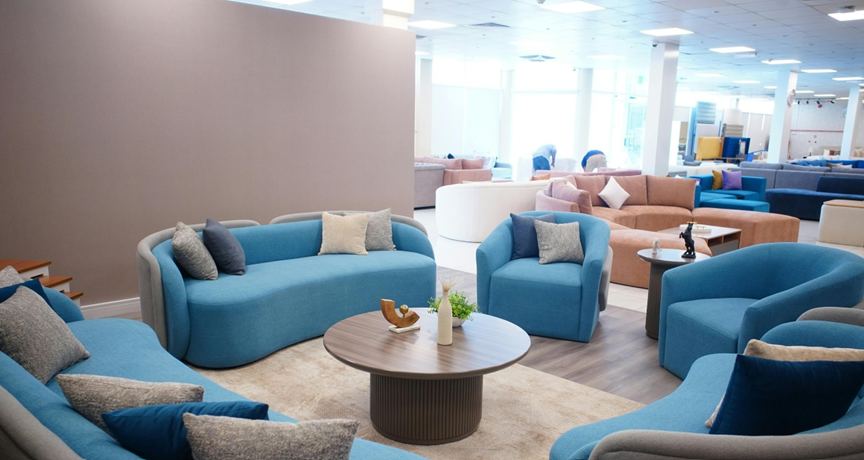
When people think about maintaining a clean home or workplace, they often focus on visible surfaces—floors, countertops, and windows. However, one of the most impactful elements of any space often goes unnoticed: upholstered furniture.
From living room sofas to office seating and waiting room chairs, upholstery plays a crucial role in comfort, hygiene, and even productivity. Yet, it’s frequently neglected until visible stains or odours appear.
The reality is that regular upholstery maintenance is not just about keeping things looking good—it’s about protecting health, preserving assets, and enhancing the overall experience of a space.
Upholstery: The Most Used Yet Least Maintained Surface
Unlike decorative elements, furniture is used daily. It absorbs everything from body oils and sweat to dust and airborne pollutants.
In both residential and commercial settings, upholstery acts as a filter. It traps:
- Allergens such as pollen and dust mites
- Microorganisms including bacteria
- Odour-causing particles
- Residue from spills and daily use
The problem? These contaminants don’t just stay embedded—they accumulate over time, often without noticeable signs until the buildup becomes significant.
The Productivity Factor in Workspaces
Clean environments directly influence how people feel and perform.
In offices, clinics, and shared spaces, employees and visitors spend hours interacting with furniture. Unclean upholstery can subtly impact:
- Comfort levels
- Focus and concentration
- Overall satisfaction with the environment
When seating feels fresh and well-maintained, it contributes to a more professional and inviting atmosphere.
Stellar Cleaning provides expert upholstery cleaning Calgary businesses rely on for offices, waiting rooms, clinics, and commercial spaces needing clean, professional-looking furniture.
Clean, presentable furniture sends a message of organization and care—qualities that matter in any professional setting.
How Upholstery Affects Indoor Environmental Quality
Most people associate air quality with ventilation systems or outdoor pollution, but indoor surfaces also play a significant role.
Upholstery acts like a reservoir for airborne particles. Over time, movement—such as sitting or adjusting cushions—releases these trapped particles back into the air.
This continuous cycle can contribute to:
- Persistent indoor odours
- Increased allergen exposure
- Reduced freshness in enclosed spaces
Regular couch cleaning Calgary services help extend the life of your furniture while improving indoor air quality and keeping your home fresh and healthy.
Maintaining clean upholstery helps break this cycle, creating a noticeably fresher and healthier indoor environment.
Furniture Longevity and Cost Efficiency
Furniture replacement is one of the more expensive aspects of maintaining a home or commercial space.
Without proper care, upholstery deteriorates faster due to:
- Embedded dirt is wearing down fibres
- Stains setting permanently into materials
- Moisture leading to mould or mildew growth
Routine cleaning helps prevent these issues, ensuring furniture retains its structure, colour, and comfort for years.
In financial terms, regular maintenance significantly reduces long-term costs by delaying the need for replacement.
The Role of Upholstery in Customer Experience
In customer-facing businesses, every detail contributes to perception.
A clean and well-maintained seating area can:
- Enhance trust and credibility
- Improve client comfort
- Encourage longer visits and repeat business
On the other hand, neglected furniture can create discomfort or doubt about overall cleanliness—even if other areas are spotless.
This is particularly important in:
- Healthcare settings
- Hospitality businesses
- Corporate reception areas
- Retail environments
Furniture is often one of the first things people interact with, making its condition a key part of the customer experience.
Why DIY Cleaning Isn’t Always Enough
While basic maintenance, such as vacuuming and spot cleaning, can help, it rarely addresses the deeper issues in upholstery.
Common limitations of DIY cleaning include:
- Inability to remove deeply embedded dirt
- Risk of over-saturating fabrics
- Use of incorrect cleaning solutions
- Incomplete odour removal
Professional cleaning goes beyond surface-level care, using specialized methods to restore furniture more effectively.
A Holistic Approach to Interior Maintenance
Clean upholstery is just one part of maintaining a high-quality environment. To truly elevate a space, it must be paired with proper care of other surfaces—especially flooring.
Floors endure constant wear from foot traffic, furniture movement, and environmental factors. Without protection, they can quickly lose their appearance and durability.
Proper floor waxing helps protect VCT, vinyl, tile, and hard surface floors from wear, scratches, and daily damage.
When both furniture and flooring are properly maintained, the entire space benefits from a more polished, cohesive look.
The Psychological Influence of Clean Spaces
Cleanliness has a profound effect on mental well-being.
Studies consistently show that clean environments can:
- Reduce stress and anxiety
- Promote relaxation
- Improve mood and satisfaction
Upholstery plays a subtle but important role in this. Fresh, clean furniture contributes to a sense of order and comfort, enhancing the overall atmosphere.
Whether it’s a home living room or a professional waiting area, the condition of furniture can influence how people feel within the space.
Seasonal Considerations for Upholstery Care
Different seasons present unique challenges for maintaining clean furniture.
Winter
- Increased indoor time leads to higher usage
- Moisture from clothing can transfer to fabrics
Spring
- Pollen and allergens enter indoor spaces
- Ideal time for deep cleaning
Summer
- Sweat and humidity can affect upholstery
- More activity leads to increased wear
Fall
- Dust accumulation increases as windows close
- Preparation for higher indoor usage
Adjusting cleaning schedules based on seasonal factors helps maintain consistent cleanliness and comfort.
Signs of Neglected Upholstery in Commercial Spaces
Business owners may not always notice gradual changes in furniture condition. However, customers often do.
Key indicators include:
- Lingering odours in seating areas
- Visible discolouration or dullness
- Complaints about comfort or cleanliness
- General lack of freshness in the space
Addressing these signs early can prevent negative impressions and maintain a professional environment.
Sustainability and Responsible Maintenance
Sustainability is becoming an important consideration in property maintenance.
Regular upholstery cleaning supports eco-friendly practices by:
- Reducing waste from discarded furniture
- Minimizing the need for replacements
- Supporting longer product lifecycles
Choosing maintenance over replacement is not only cost-effective but also environmentally responsible.
Creating a Maintenance Routine That Works
Consistency is key when it comes to upholstery care.
A practical routine may include:
- Weekly vacuuming for surface dust removal
- Immediate attention to spills and stains
- Periodic professional cleaning based on usage
By staying proactive, property owners can prevent buildup and maintain a consistently clean environment.
The Competitive Advantage of Clean Interiors
In business, small details can create a competitive edge.
Clean upholstery contributes to:
- Stronger brand perception
- Higher customer satisfaction
- Improved workplace morale
It’s an often-overlooked factor that can set a space apart from competitors.
Final Thoughts
Upholstered furniture is more than just a functional element—it’s a key contributor to comfort, health, and overall experience.
From improving indoor air quality to extending furniture lifespan and enhancing professional environments, the benefits of regular cleaning are undeniable.
By adopting a proactive approach to upholstery maintenance, both homeowners and business operators can create spaces that are not only visually appealing but also healthier, more comfortable, and more efficient.
Clean furniture may not always be the first thing people notice—but it’s something they always feel.







Comment